
How to Turn Your Home to Wheelchair Accessible
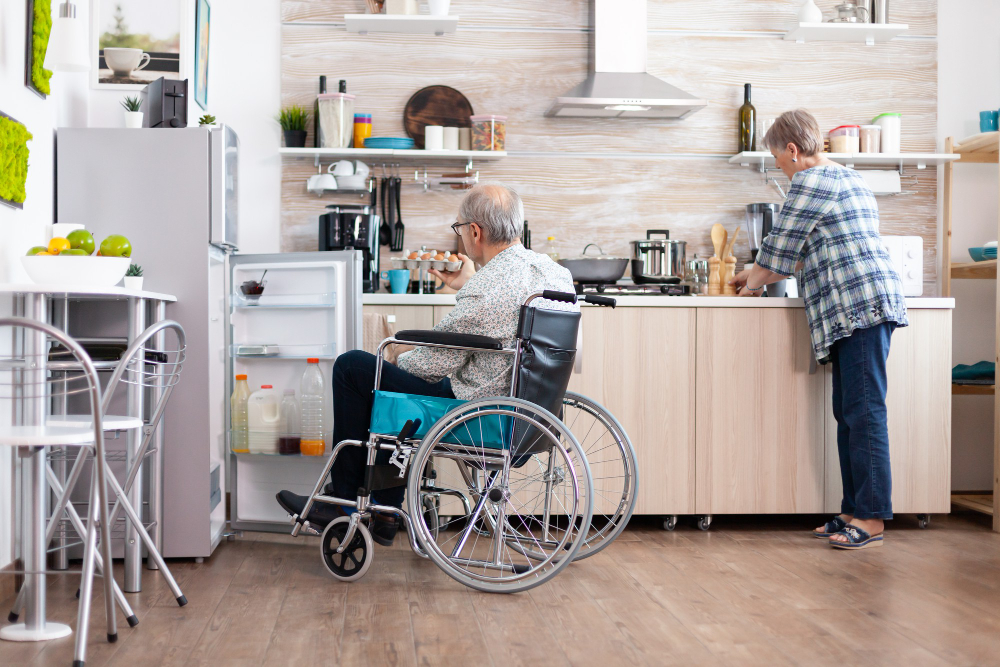
For wheelchair users, the ability to access their home is crucial for their quality of life and independence. Unfortunately, many living places are not designed with accessibility in mind, so many people face obstacles on a daily basis. These are home improvement tricks that can help make your home wheelchair-friendly. Let’s plunge into transforming your home into a safe and comfortable place suitable for people with limited mobility.
Assessing Your Home’s Accessibility
The first approach to making your living environment accessible is to look for any obstacles within your home. Carry out an accessibility inspection to determine the sections that require improvement.
Assess the entries, doors, corridors, aisles, and passages. Narrow doors and doorways as well as raised thresholds, are a challenge for wheelchairs to maneuver through. This is a common spot for safety hazards. Take measurements of doors and passages to identify any thresholds or steps that may require changes. In case of narrow doorways that cannot be widened, consider a lightweight narrow wheelchair for home use that can be easily operated between the rooms.
Consider the bathroom and kitchen areas. These rooms are usually more challenging because they usually have limited space. Examine your bathroom and kitchen to see if there are any modifications required to provide wheelchair access. This includes changing the height of the countertop or installing bars for support.
In case the home has more than one floor or even stairs, the options to consider include a wheelchair ramp, a stair lift, or even a residential elevator for easy mobility within the home.
After you have defined the areas that need to be changed, rank those areas according to your requirements. Make up a roadmap on the action to be taken and the resources to use.
Making Entrances and Doorways Accessible
To maintain independence, focus on the accessibility at the entrance and doorways. The most frequent home improvement involves the expansion of doorways to allow a wheelchair to move around flawlessly. This may require offset hinges to be placed or the door frame to be completely removed.
If there are high ledges or different levels at the doors, install a ramp. Or make changes to the stairs to have slopes so you can easily get your wheelchair up and down. The ramp should incline gradually and preferably have a smooth and slip-resistant surface.
Automatic doors may also be useful to consider, as they make it easier to open and close the door and get in and out of the home without assistance.
Reducing the height or installing threshold ramps can also minimize tripping risks and guarantee a flat surface for the wheelchair.
Bathroom and Kitchen Modifications
Two of the most sensitive rooms to consider when making a home wheelchair-friendly are the bathroom and the kitchen. In the bathroom, equip a roll-in or walk-in shower with a low step and handles for better safety.
Mobile washbowls and operating tables help to provide convenience while performing grooming and personal care procedures. Grab bars and transfer aids installed at the appropriate locations help in transferring from the wheelchair to the toilet or bathtub.
In the kitchen, it would be more comfortable to prepare food and cook if the countertop was lower and the appliances were within reach. Pull-out shelves and a lazy susan can make it easier to access stored goods. While adjustable countertop heights allow to accommodate various tasks.
Other Home Modifications
In addition to entrances, doorways, bathrooms, and kitchens, there are several other changes that can increase accessibility as well as independence within your home.
In multi-level buildings, stair lifts or residential elevators can also be installed to offer comfortable access to various floors. Stair lifts are cheaper than elevators, while the latter are more efficient than the former.
Changing the lighting and electrical systems, for instance, using rocker-type switches or even a voice control system can help in managing the home environment without much effort.
Wheelchair-friendly floor coverings can also enhance movement. Low-pile carpets or non-slip floors should be considered. The transition from one type of floor surface to another should be gradual to avoid falls.
Additional features, such as incorporating assistive technology and smart home features, can also increase the level of accessibility and independence. Smart home features such as voice-controlled devices, automated door openers, and environmental control systems can enhance the overall experience of living in such a home.
Features like emergency call systems or personal alert devices are great helpers that guarantee timely help in urgent situations.
Resources and Funding
Transforming your home to accommodate a wheelchair can be a huge project that requires a solid budget. Luckily, there are many sources and grants that can be used to minimize the expenses and get the necessary support during the renovation process.
Disability organizations and independent living centers at local and national levels are also good sources of guidelines regarding home modifications and accessibility. There are numerous government programs and grants to help with the expenses involved in making homes more accessible. These may include tax credits, low-interest loans, or direct financial assistance.
It is also good to work with experienced contractors and accessibility specialists. They can evaluate your individual case, suggest the right changes, and guarantee compliance with the necessary requirements for construction and barriers for people with disabilities.
Conclusion
Making your home wheelchair accessible is one of the best ways of improving the quality of life. With the help of the handy tips provided in this article, you will be able to create a safe and comfortable home environment. Of course, you should understand that every house is unique, and the changes needed may also be unique. If you get the right tools, time, and determination, you can make your home a comfortable place to live.
*This is a collaborative post