
How can mindfulness techniques help an ADHD child at home?
Mindfulness techniques offer a powerful tool for children with ADHD to manage their symptoms at home. These practices can help improve focus, reduce stress, and enhance self-regulation skills. By incorporating mindfulness into daily routines, parents can support their ADHD child’s ability to navigate challenges and thrive in various settings.
Mindfulness exercises for ADHD children can be simple yet effective. Body scans, deep breathing, and brief meditation sessions are accessible techniques that can be practiced at home. These activities encourage children to become more aware of their thoughts, feelings, and bodily sensations, fostering a sense of calm and present-moment awareness.
Consistent practice of mindfulness can lead to significant improvements in methods on how to treat your child’s ADHD at home; parents can guide their children through these exercises, creating a supportive environment that promotes focus and emotional regulation. As children become more adept at using mindfulness techniques, they may experience reduced impulsivity and improved attention spans.
The information shared here is for educational purposes and does not substitute for professional medical consultation. Always speak with your healthcare provider for personalized advice.
Key Takeaways
- Mindfulness techniques can improve focus and reduce stress for ADHD children
- Simple exercises like body scans and deep breathing can be practiced at home
- Consistent mindfulness practice may lead to better symptom management and emotional regulation
Understanding ADHD and Mindfulness
ADHD and mindfulness are interconnected concepts that can significantly impact a child’s well-being and daily functioning. Exploring their relationship reveals potential benefits for managing ADHD symptoms through mindfulness practices.
Defining ADHD and Its Symptoms
Attention-Deficit/Hyperactivity Disorder (ADHD) is a neurodevelopmental condition characterized by persistent patterns of inattention, hyperactivity, and impulsivity. Children with ADHD often struggle with executive functions, including organization, time management, and emotional regulation.
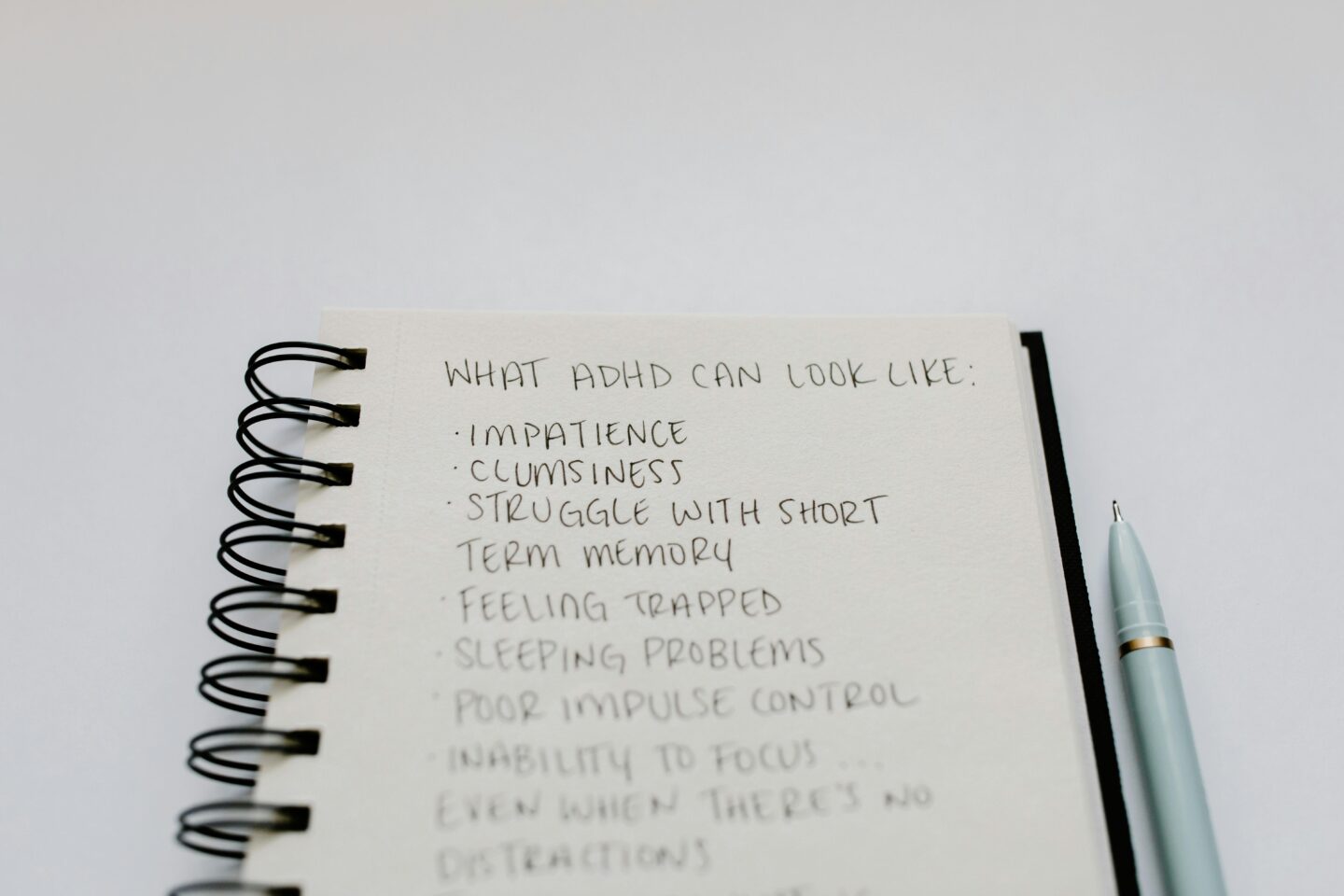
Common symptoms include:
- Difficulty sustaining attention
- Easily distracted
- Fidgeting or restlessness
- Interrupting others
- Trouble following instructions
These challenges can affect a child’s academic performance, social interactions, and self-esteem. ADHD is linked to differences in brain structure and function, particularly in the prefrontal cortex and neurotransmitter systems.
The Basics of Mindfulness and Its Benefits
Mindfulness involves paying attention to the present moment without judgment. It cultivates awareness of thoughts, feelings, and sensations as they arise. Key elements of mindfulness include:
- Focused attention
- Non-reactivity
- Acceptance of experiences
Practicing mindfulness can enhance emotional regulation, reduce stress, and improve overall well-being. For children, it may help develop self-awareness and impulse control. Mindfulness techniques often include breathing exercises, body scans, and guided meditations.
These practices can be adapted for different ages and attention spans, making them suitable for children with ADHD.
ADHD and Mindfulness Research Insights
Studies suggest mindfulness can be beneficial for individuals with ADHD. Research has shown improvements in:
- Attention span
- Impulse control
- Emotional regulation
- Executive functioning
Mindfulness-Based Cognitive Therapy (MBCT) combines mindfulness practices with cognitive behavioral techniques. It has shown promise in helping adults with ADHD manage symptoms and develop coping strategies.
For children, mindfulness interventions may:
- Reduce hyperactivity
- Enhance focus during tasks
- Improve self-regulation skills
While not a cure, mindfulness can be a valuable tool in a comprehensive ADHD management plan. It may help children develop greater awareness of their symptoms and build skills to navigate daily challenges more effectively.
Mindfulness Techniques for Home Practice
Incorporating mindfulness into daily life can help ADHD children manage symptoms and develop crucial skills. These techniques focus on creating structure, enhancing focus, and fostering emotional intelligence.
Creating a Daily Routine
Establishing a consistent mindfulness routine is essential for ADHD children. Start with short, 5-minute sessions and gradually increase duration. Choose a quiet space free from distractions. Set a specific time each day, such as after breakfast or before bed.
Use visual aids like charts or timers to make the routine more engaging. Encourage children to participate in selecting activities they enjoy. This could include guided meditations, breathing exercises, or simple yoga poses.
Consistency is key. Praise efforts and celebrate small victories to maintain motivation. Be patient and flexible, adjusting the routine as needed to suit the child’s changing needs and interests.
Exercises for Focus and Calm
Simple mindfulness exercises can help ADHD children improve focus and reduce anxiety. Try “Mindful Breathing” by having the child count breaths or place a hand on their belly to feel it rise and fall.
“Body Scans” involve systematically focusing attention on different body parts, promoting relaxation and body awareness. Start from the toes and move upwards.
“Mindful Walking” encourages children to pay attention to each step, feeling their feet touch the ground. This can be done indoors or outdoors.
For restless children, “Mindful Movement” activities like stretching or simple tai chi movements can help channel excess energy while promoting focus.
Building Emotional Intelligence Through Mindfulness
Mindfulness practices can enhance emotional regulation in ADHD children. The “Feelings Check-In” exercise involves regularly asking children to identify and name their emotions.
Practicing mindfulness can enhance emotional regulation, reduce stress, and improve overall well-being. For a fun and engaging twist, try activities like fun free crossword puzzles, which offer a mindful way to sharpen focus and unwind. For children, it may help develop self-awareness and impulse control. Mindfulness techniques often include breathing exercises, body scans, and guided meditations.
Teach “Mindful Listening” by having children focus on sounds around them, helping them tune into their environment and others’ emotions.
Practice “Self-Compassion” by encouraging kind self-talk. When facing challenges, guide children to treat themselves with the same kindness they’d offer a friend.
Use “Gratitude Exercises” like keeping a daily gratitude journal or sharing three good things at dinner. This fosters positive thinking and emotional balance.
Conclusion
Mindfulness techniques offer valuable tools for children with ADHD to manage their symptoms at home. These practices can improve focus, reduce anxiety, and enhance emotional regulation. Regular use of mindfulness exercises, such as breathing techniques and body scans, may lead to better overall functioning for ADHD children. With patience and consistent practice, mindfulness can become an effective part of a comprehensive ADHD management strategy.
*This is a collaboration post