
Best Foods to Eat Before and After Swim Class
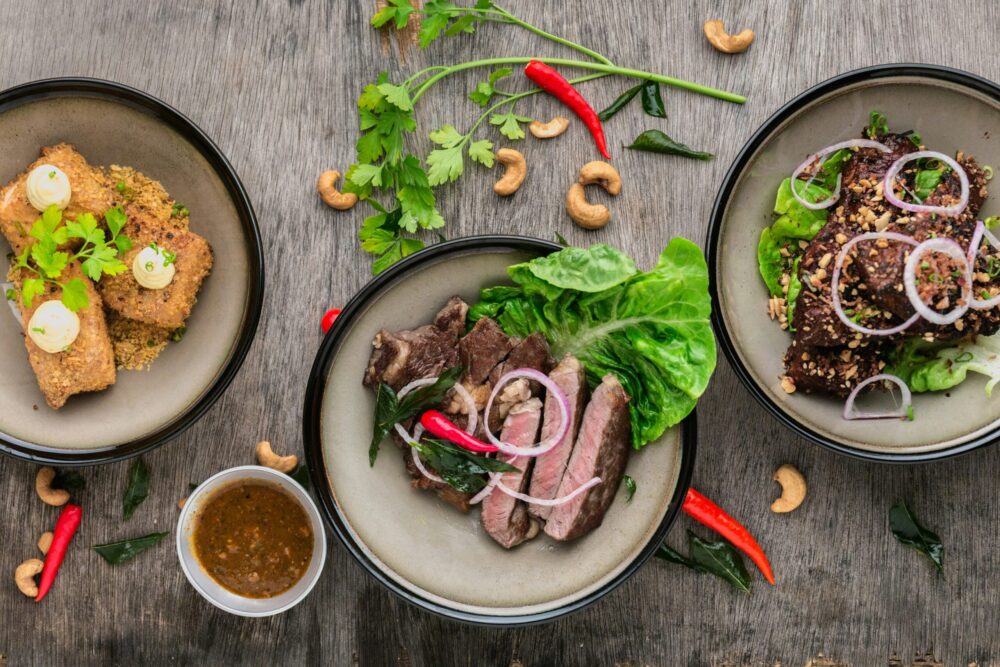
Eating properly before and after a swim class greatly influences performance and recovery. The best foods to eat before swim class include easy-to-digest options like bananas, oatmeal, and yogurt. These foods provide quick energy without causing discomfort during exercise.
After swim class, it’s crucial to refuel the body with a balance of carbohydrates and protein. Consuming snacks like a turkey sandwich, fruit smoothies, or peanut butter on whole-grain bread helps speed up recovery and build muscle.
Understanding the nutritional needs of swimmers can make a significant difference in their endurance and stamina. Ensuring the right pre- and post-swim snacks can help swimmers maintain energy levels and enhance their overall performance in the pool.
Optimizing Nutrition for Swimming
Proper nutrition is crucial for enhancing performance and recovery in swim class. Swimmers should focus on balanced meals and strategic hydration to maintain energy levels and avoid cramps during training sessions.
Best Foods for Pre-Swim Energy
Eating the right foods before swimming can provide the necessary energy boost. Bananas, rich in potassium, help prevent muscle cramps. Their quick energy release makes them ideal pre-swim snacks. Swimmers can also consume rice crispy squares, granola bars, or a few crackers for low-fat, fast carbohydrate options. These snacks ensure quick absorption into the bloodstream, preparing the body for the workout.
For athletes preferring more substantial meals before training, a balanced plate can be effective. Carbohydrates such as potatoes, rice, or bread should fill half the plate, while protein and fat can each take up a quarter. This mix provides sustained energy and prevents mid-swim fatigue.
Hydration Strategies for Swimmers
Hydration is essential for swimmers. Adequate water intake prevents dehydration, which can severely impact performance. Athletes should drink water throughout the day, not just during training. A good rule of thumb is to drink at least eight glasses of water daily.
During swim class, having a water bottle nearby is crucial. Sip water every few minutes during breaks to maintain hydration levels. For long or particularly intense sessions, consider adding an electrolyte solution to the water. This helps replenish salts lost through sweat, ensuring optimal muscle function.
Incorporating these hydration and nutritional strategies can significantly enhance a swimmer’s energy levels and overall performance, ensuring they get the most out of every swim class.
Recovery Nutrition Post-Swim
Effective recovery nutrition after swim class plays a crucial role in helping muscles repair and replenish energy stores. This section delves into the essential macronutrients and hydration needs for optimal post-swim recovery.
Essential Post-Swim Macronutrients
After a rigorous swim class, the body needs to replenish its energy stores and repair muscle tissue. Carbohydrates and protein are the most important macronutrients for this purpose. Carbohydrates play a key role in restoring glycogen levels in muscles. It’s recommended to consume around 60 grams of carbohydrates, which can be found in foods like pasta, rice, and whole grains.
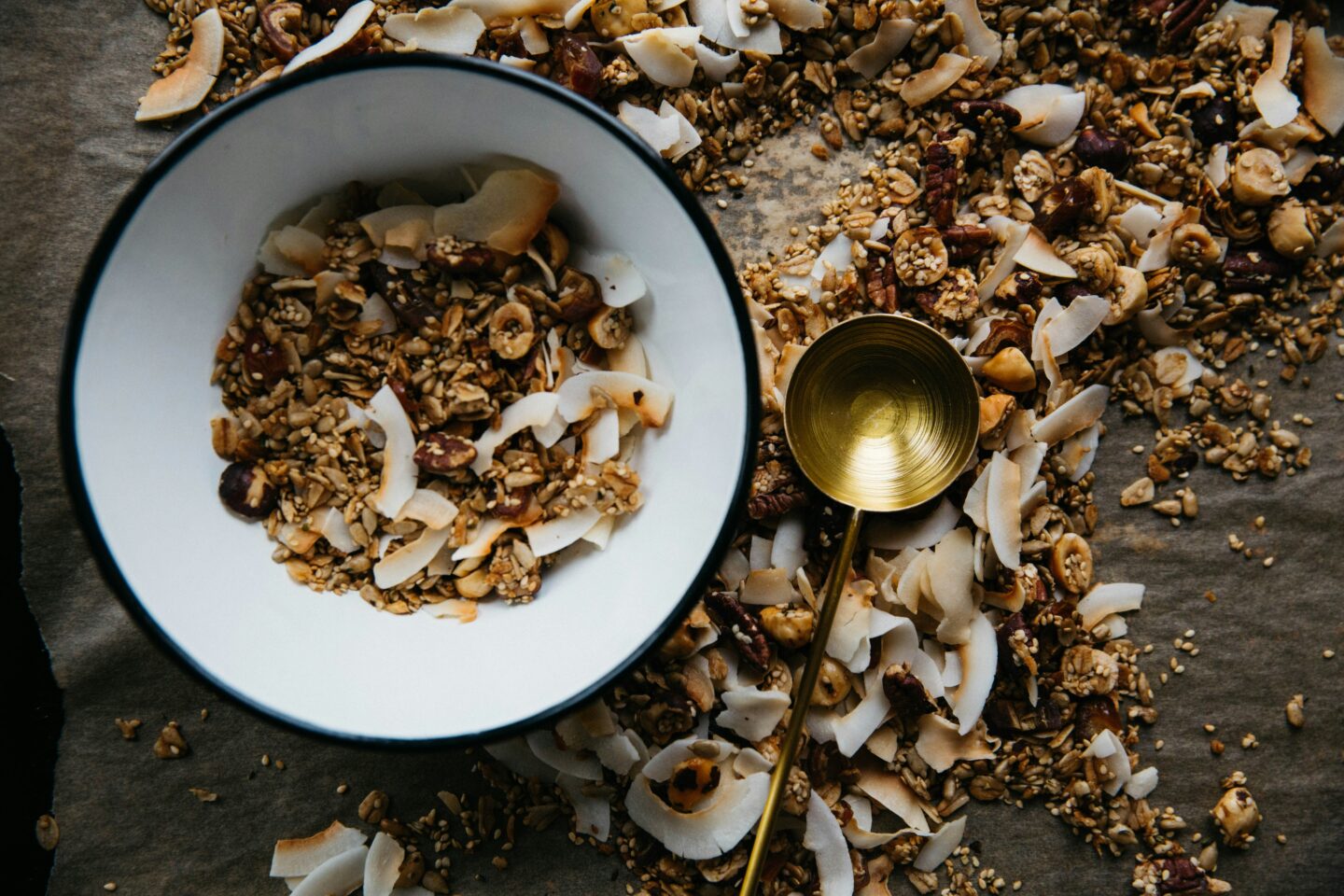
Protein is essential for muscle repair. About 20 grams of protein is ideal after swimming. Good sources of post-swim protein include lean meats, fish, eggs, and plant-based options like beans or tofu. An effective post-swim meal could be a chicken sandwich on whole grain bread or a rice and bean bowl.
Effective Hydration and Electrolyte Replenishment
Hydration is just as critical as macronutrient intake for recovery after swim class. Swimming can lead to significant fluid loss, even though it may not be as noticeable as in land-based sports. Rehydration should start immediately after exiting the pool.
Water is the go-to for hydration, but electrolyte replenishment is also important. Electrolyte drinks or foods rich in essential minerals like sodium, potassium, and magnesium help balance electrolyte levels. Bananas are an excellent option for potassium, while foods like nuts and seeds can provide magnesium. Combining hydration with electrolyte intake ensures that the body recovers efficiently and maintains optimal performance levels for future swim sessions.
*This is a collaborative post