
How Soft Toys Can Help Foster Emotional Growth in Children

Why do children form such deep bonds with their soft toys? These cuddly companions are more than just playthings, from teddy bears to plush bunnies. They play a pivotal role in a child’s emotional development. These products offer comfort and a sense of security that is unmatched by other types of toys.
The simple soft toy can be vital in nurturing a child’s emotional intelligence and well-being in a world where learning is often emphasized through structured activities and electronic devices. Brands like Cuddle and Kind exemplify this by creating soft toys that are adorable and imbued with character and warmth. These become beloved companions, assisting in the growth of empathy and emotional understanding. They serve as gentle aids in teaching children about care, companionship, and unconditional love.
A Sense of Comfort and Security

They provide a unique source of comfort and security that is crucial during a child’s early years. They often serve as ‘transitional objects’ that help a child transition from dependency to independence. Holding onto a beloved plush toy can soothe a toddler during separation anxiety or before a scary transition like the first day at preschool. This attachment helps them manage their feelings and provides a reliable source of comfort when they navigate new experiences.
Encouraging Nurturing and Empathy
Children naturally mimic the care and love they receive from their parents and caregivers, providing an excellent opportunity to practice these skills. By taking care of their plush friends—feeding them, tucking them in at night, or comforting them when they pretend they are scared—children learn how to express empathy and kindness. This role-playing is fundamental in developing their ability to understand and care for others’ feelings, laying the groundwork for healthy emotional and social development.
Development of Communication Skills
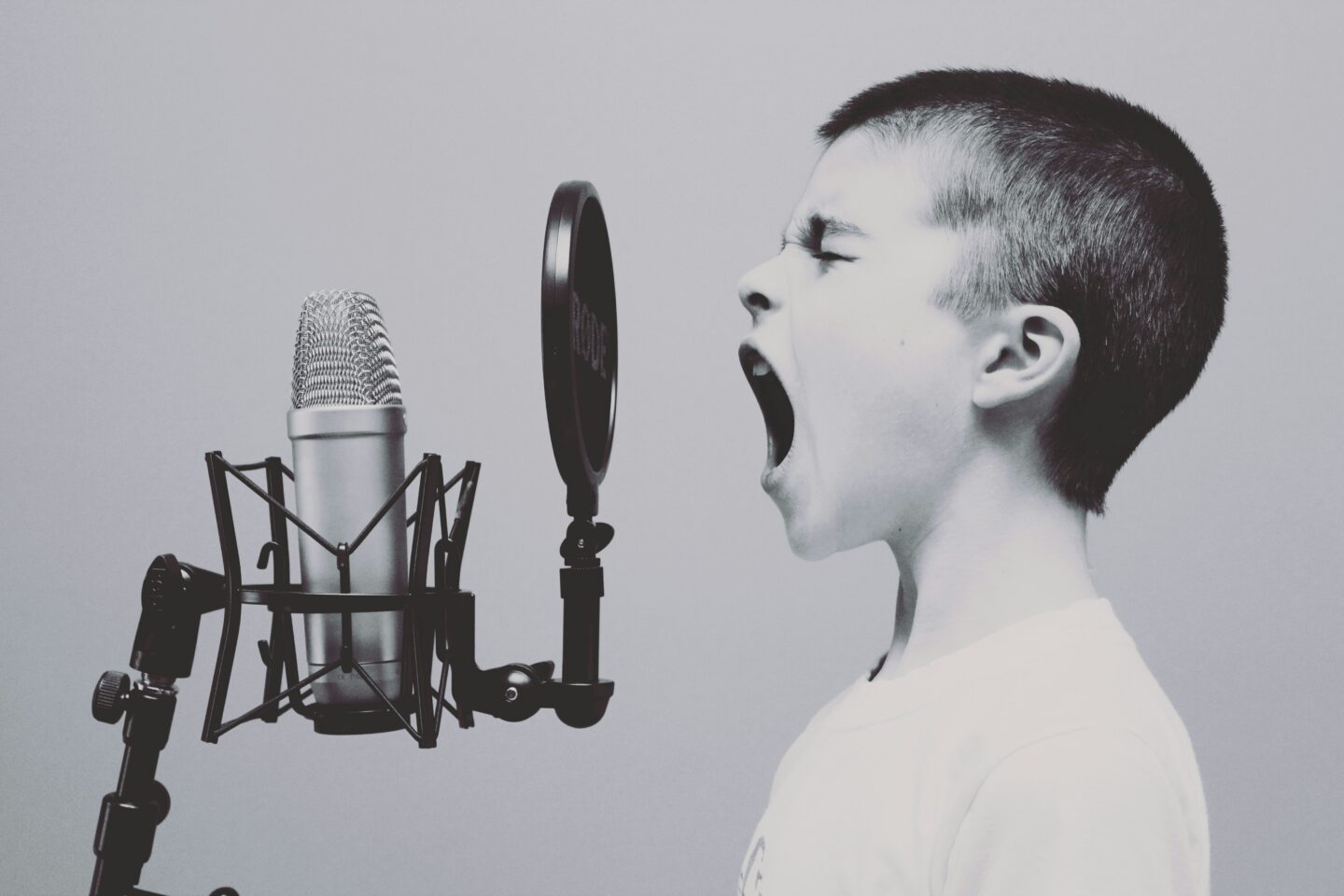
Talking to their soft toys helps children develop their language and communication skills. Children often engage in dialogues with their plush toys, encouraging them to build their vocabulary and improving their ability to converse with others. These conversations allow children to process their feelings and experiences, as they often project their thoughts and emotions onto their products, discussing their day, worries, or joys.
Fostering a Safe Space for Emotional Expression
They act as a confidant to whom children can express thoughts and emotions they might be reluctant to share with adults. Children can explore complex emotions in this safe, judgment-free environment and learn to understand themselves better. This process is vital for emotional regulation, as children who articulate and understand their feelings are better equipped to handle them healthily.
Where to Find Quality Soft Toys
For parents interested in finding high-quality products that are safe and durable, there are several options available. Look that is made from non-toxic, hypoallergenic materials to ensure they are safe for your child. Choosing washable toys to keep them clean and hygienic is also beneficial. Retailers specializing in children’s toys often have a wide range of plush animals and characters that can become a cherished part of your child’s growth and development.

Soft toys are much more than mere entertainment; they are integral to children’s emotional and social development. These cuddly companions support children in numerous ways by providing comfort, encouraging empathy, aiding in communication, and offering a safe outlet for emotional expression. Brands like Cuddle and Kind create toys that become valued friends, contributing significantly to a child’s journey toward emotional maturity. In recognizing these roles, parents can facilitate more profound emotional growth and a stronger sense of security in their children’s lives.
*This is a collaborative post