
Making Sure Your New Home is Safe for Little Ones

There are many things to think about when moving into a new home. However, if you have children, one of the most important things to consider is whether your new space is safe for them. Here are some things to look at when making sure your new home is safe for little ones.
Plug Socket
Electricity and children don’t mix well. Unfortunately, kids often have a fascination with the small holes on plug sockets and whether they can fit their fingers inside. One of the best things you can do to keep children safe around plug sockets is to get covers for the sockets. Plastic covers that fit snugly into the sockets can be bought cheaply and add a layer of protection to keep curious fingers out. Ensure that the covers fit tightly and cannot be pried off by children.
If you have sockets that you are unable to cover, consider moving furniture or other objects to block access. This may not always be possible so, like with all of these tips, the best way to keep your children safe is by keeping a close eye on them.
Asbestos
Used widely in construction, asbestos is a material that can still be found in many homes, despite being banned a number of years ago. Asbestos is not just a risk to children but to everyone in the house, so if you suspect your new home may have asbestos, it is important to remove it as soon as possible.
Identifying and removing asbestos is a dangerous and technical job that should only be carried out by a professional with the correct protective equipment. This is not a DIY job. If you suspect asbestos in your home, hire a professional to carry out a full survey and, if necessary, remove the material. The full process will cost a few hundred pounds, depending on the amount of asbestos and size of the home, but it is critical that the toxic material is removed as soon as possible.
Water
Children love water, and there is nothing more fun than a sunny afternoon spent in the paddling pool. However, children are often not fully aware of the dangers of water. It has been shown that children can drown in a very small amount of water, as little as a couple of inches. It is therefore important to keep little ones from interacting with bodies of water unsupervised.
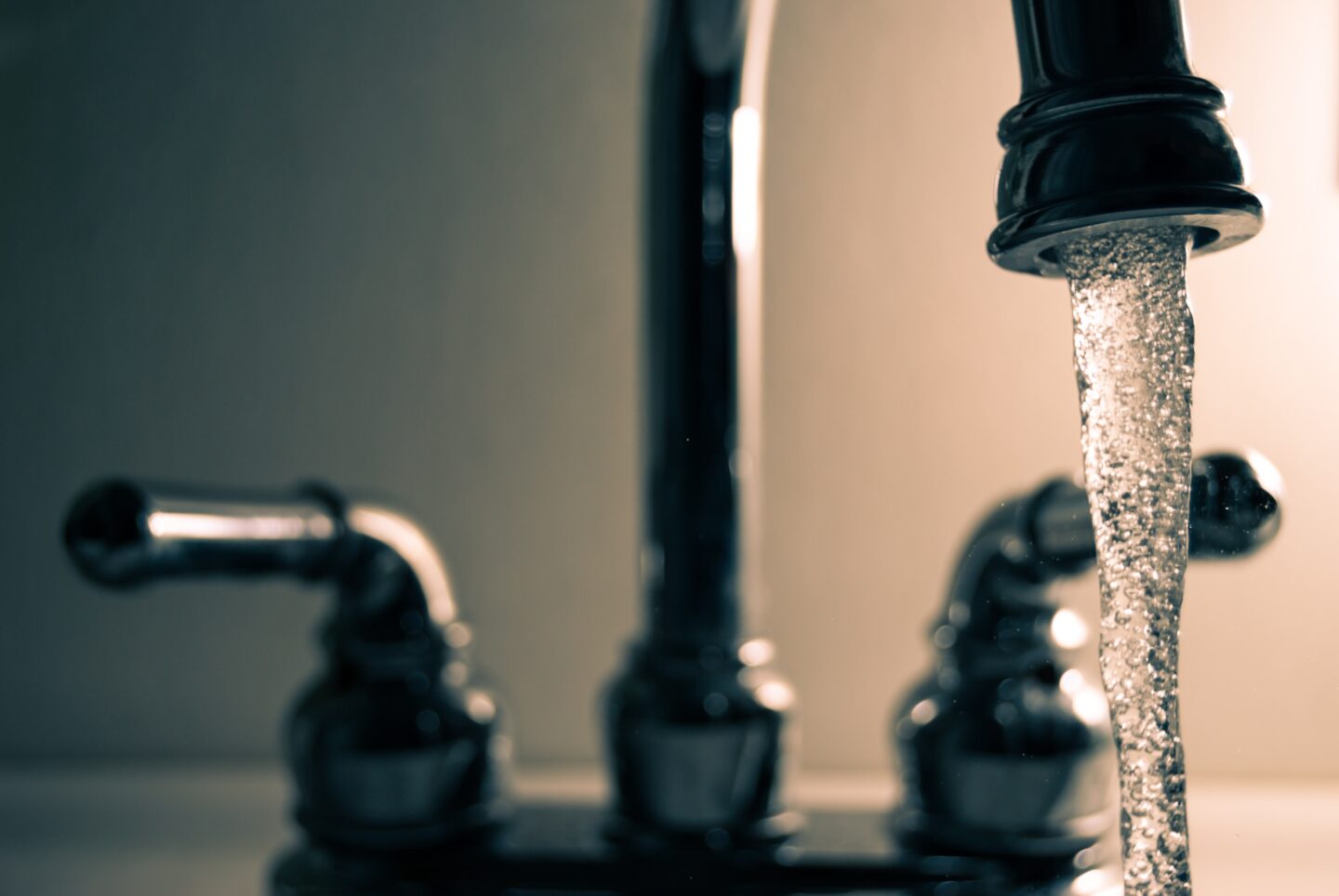
This may not seem like something to worry about in the home but there are a few sources of water that can prove deadly for small children. Bathrooms are the main offenders, with the risk from both bathtubs and toilets as potential sources of drowning.
Ensure that all bathrooms are kept closed off and inaccessible to children without supervision. Although most sinks are too high for children to reach, it is also worth keeping an eye on these. Especially if you have steps or stools that allow the children to reach the sink when you are with them. Make sure these steps are placed out of reach and out of sight.
Stairs
When children gain some mobility of their own, they will be desperate to explore. And the stairs prove an exciting prospect to many. It is important to keep the stairs blocked off from children to avoid any falls. Gates can be purchased that affix directly to the walls of your home. And come with childproof latches to stop any would-be explorers from their next expeditions.
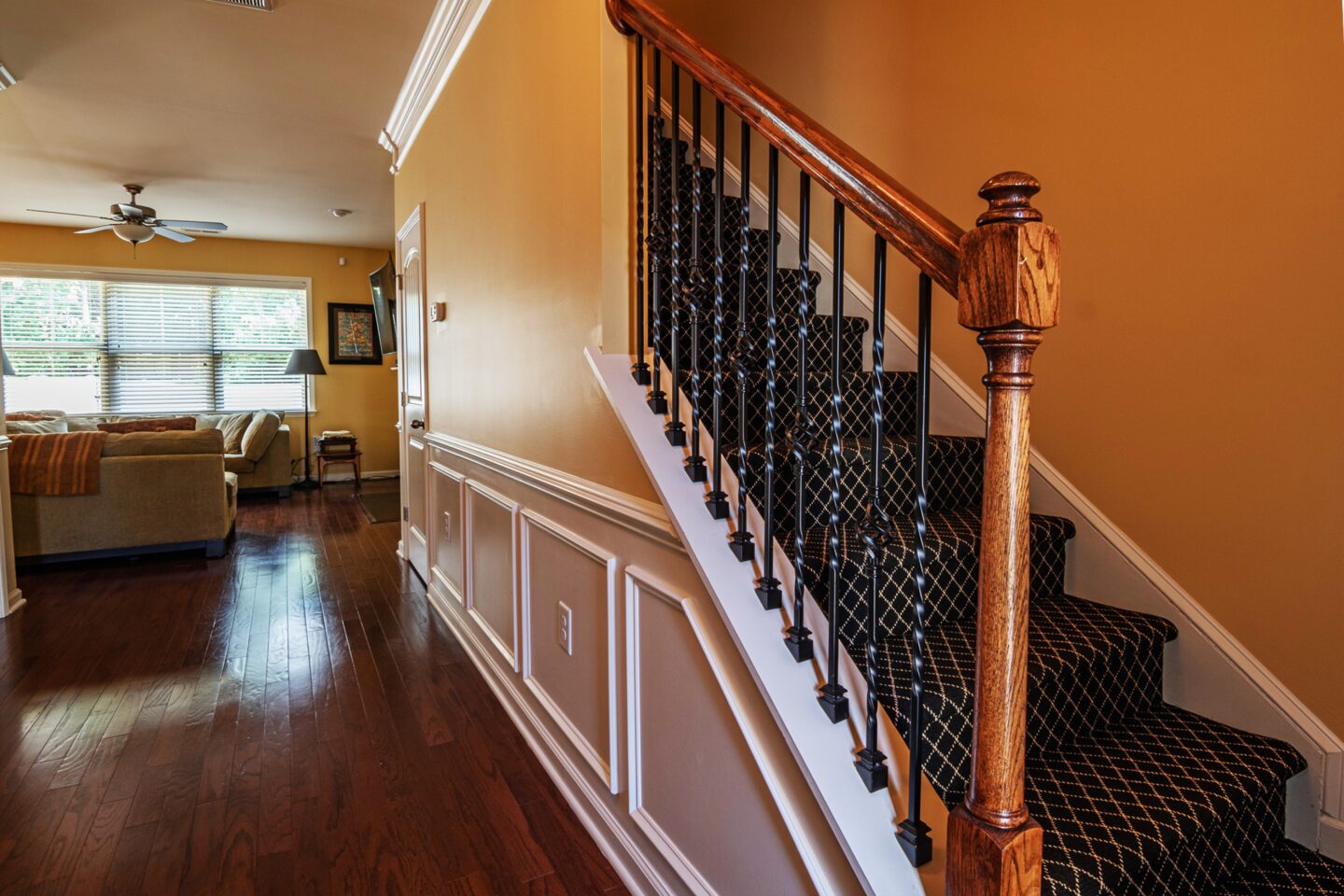
It is worth installing a gate at both the top and the bottom of any stairs in the house. Although a gate at the bottom might seem like overkill, children can be very resourceful and you may be surprised at how quickly they can scale a flight of stairs unaided.
If gates are not an option for you, try to keep any doors or access points closed and sealed.
Heavy Objects
Young children tend to spend a lot of their time on the floor. Even when they are up and walking about, children are at a much lower level than most adults. So they are open to risks we may not consider from our higher vantage point. Have a look at any items in your home that are placed on surfaces where they could be knocked off. Perhaps consider moving them elsewhere. All it takes is for a child to bump into a cabinet and send a vase full of flowers crashing down on their head.
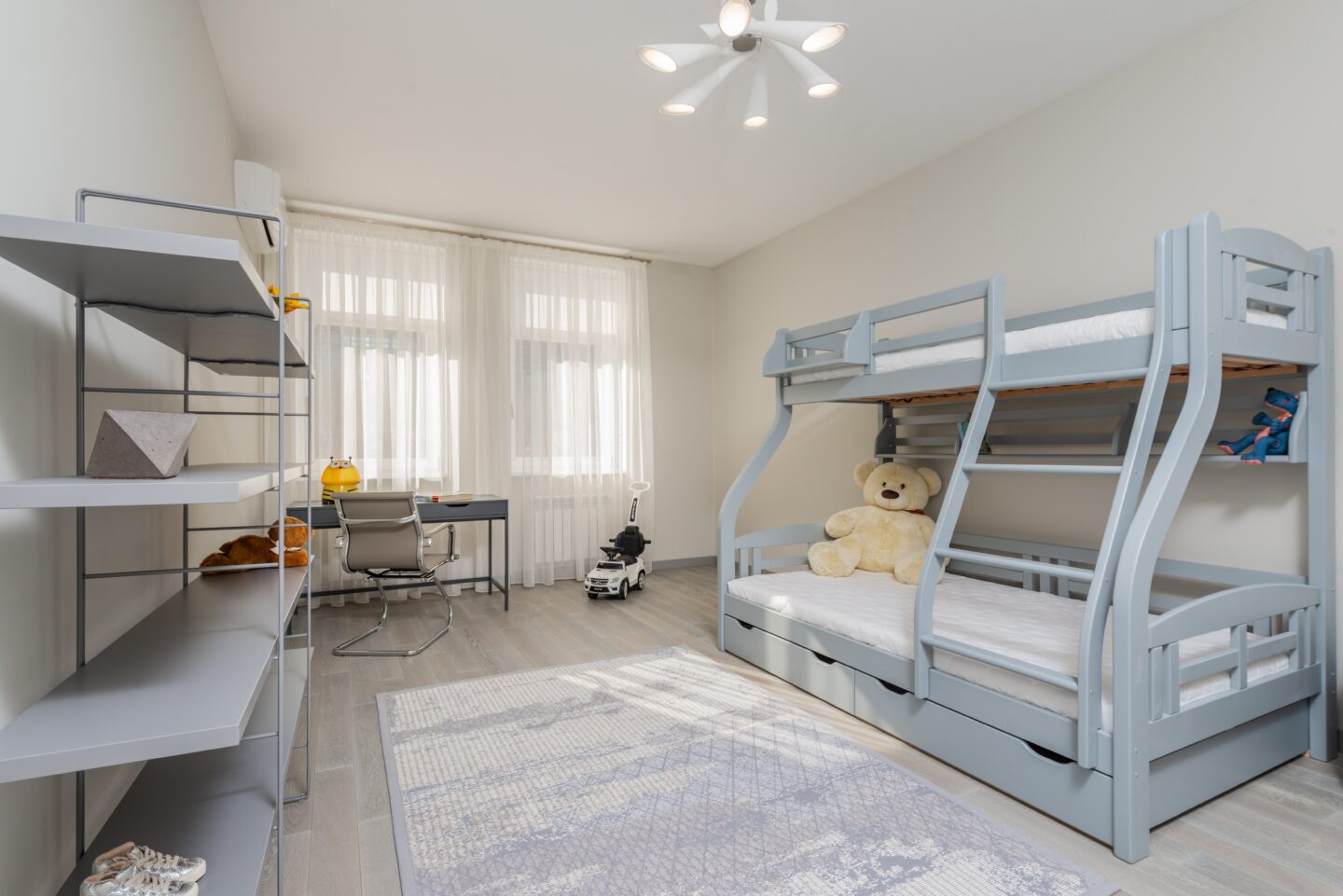
It is also important to check that any furniture or accessories are securely fastened. Children love to jump, pull, and swing on things. And you don’t want the bookcase to come cascading down on top of them. Tools for securing furniture, such as straps or bolts, can be bought and easily installed. Ensuring your children are safe from falling objects in the home.
Hopefully, this has given you some things to think about when making sure your new home is safe for little ones. This list is far from exhaustive, so do a thorough check of your new home and implement any safety features you think you might need.
*This is a collaborative post