
How To Introduce a New Puppy to Your Dog: A Guide for Families

Are you dreaming of expanding your furry family but worried about how your current four-legged friend will react to a new puppy? Bringing home a bouncy ball of energy can fill even the most experienced dog parents with a mix of excitement and anxiety. Your resident dog might have been the king or queen of the castle for years, and now they’ll need to share not just their space but also your attention and love.
The good news is that with proper planning and patience, most dogs can learn to accept – and even adore – their new siblings. Here’s everything you need to know about making this transition smooth and positive for everyone involved.
Prepare Your Dog for the New Arrival
Before bringing the new puppy home, take steps to prepare your dog. Start by evaluating your dog’s temperament. If your dog has a history of being territorial or anxious around other animals, consult your veterinarian or a professional trainer for advice. Preparing your dog mentally can help them adjust better to the new addition.
Introduce your dog to the puppy’s scent before their first meeting. Use a blanket or toy the puppy has been around and allow your dog to sniff it. This creates familiarity and reduces the shock of meeting a new animal in their space.
Choose a Neutral Meeting Spot
The first meeting should occur in a neutral location, such as a park or an unfamiliar yard. This prevents your dog from feeling territorial. Use leashes for both pets during the introduction to maintain control, but keep the leashes loose to allow natural interaction.
Whether your new dog is from a shelter or the best puppy store in NYC, let the dogs approach each other at their own pace. Avoid forcing contact if either shows signs of fear or dog aggression. Watch for body language, such as wagging tails, relaxed postures, or play bows, which indicate positive interaction. If either dog seems tense, calmly separate them and try again later.
Introduce Them in Phases
A gradual introduction process helps both pets acclimate to each other. Start with short, supervised interactions and increase their duration over time. During these meetings, give both pets plenty of praise and treats to create a positive association.
Once the initial meeting goes well, allow the dogs to interact in your home. Keep the young puppy on a leash to prevent overwhelming your current dog. Monitor their interactions closely, especially in the first few days, and separate them during meal times or when unsupervised.
Establish Boundaries and Routines
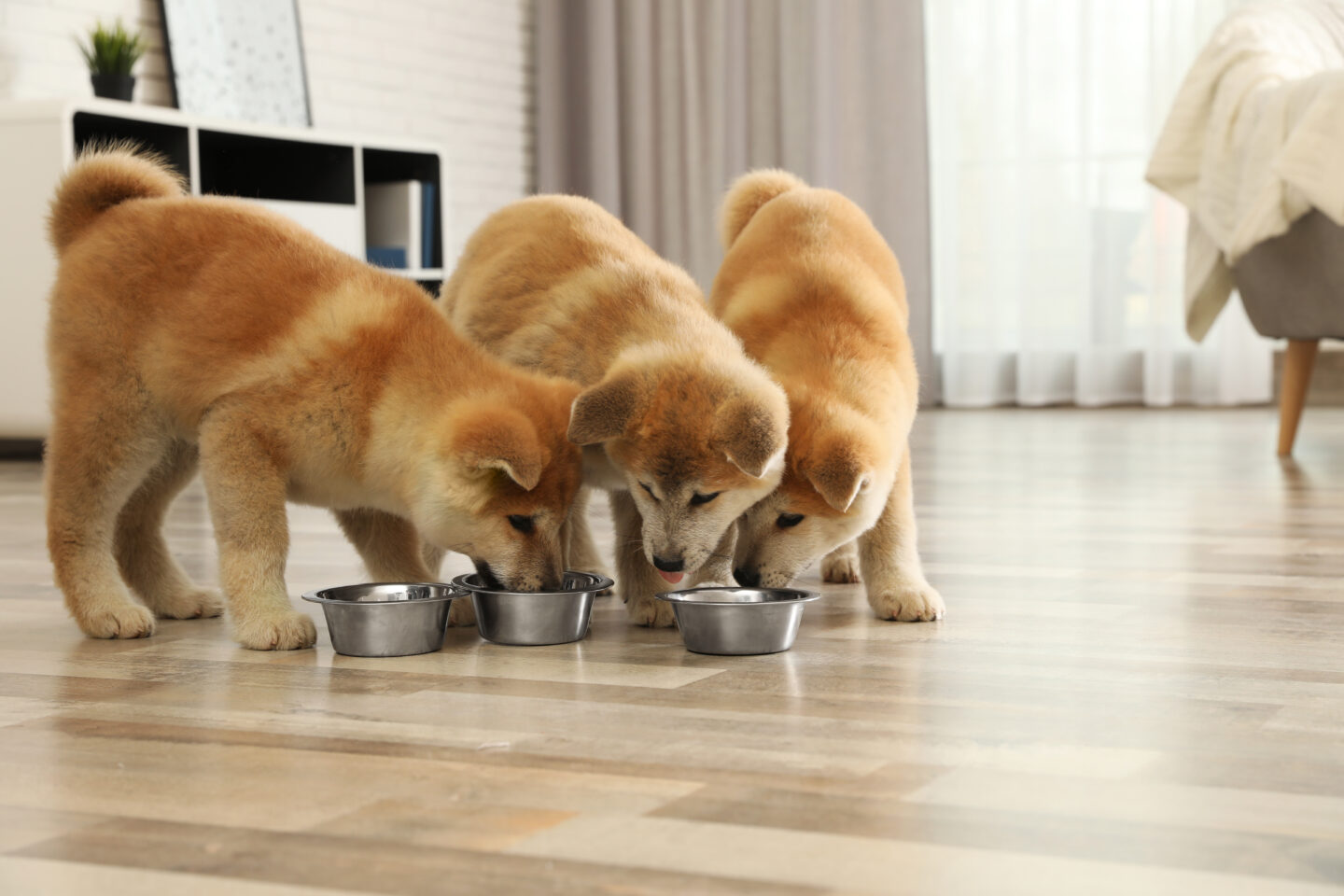
Dogs thrive on routine, so maintaining structure is key during this adjustment period. Set up designated spaces for each pet, including separate feeding areas, beds, and toys. This helps avoid competition and reduces the likelihood of conflict.
Teach your puppy boundaries early on, such as where they’re allowed to go and what behaviors are acceptable. If the puppy crosses boundaries, redirect them gently and reward your older dog for calm behavior. Positive reinforcement encourages both pets to coexist peacefully.
Supervise Playtime
Puppies are naturally energetic, which can sometimes overwhelm older dogs. Supervise their playtime to ensure it remains safe and enjoyable for both. If your dog seems annoyed or needs space, intervene by giving the puppy a break.
Avoid roughhousing or letting either dog dominate the other. Encourage calm, gentle interactions, and separate them if play becomes too intense. Over time, they’ll learn to adapt their play styles to each other.
Encourage Positive Reinforcement
Reward both pets for good behavior with treats, affection, and praise. For instance, if your dog behaves calmly when the puppy is nearby, reward them to reinforce that behavior. Similarly, reward the puppy for respecting boundaries and being gentle with your dog.
Avoid punishing either pet during this adjustment phase, as it can create fear or resentment. As a responsible pet parent, it’s your role to create a positive environment where both pets feel safe and valued.
Address Behavioral Issues Promptly
If you notice signs of aggression, anxiety, or fear in either pet, address them immediately. Consult a professional trainer or behaviorist for guidance if needed. Ignoring these issues can lead to long-term problems that may be harder to correct later.

Redirect unwanted behaviors with training techniques and focus on rewarding the behaviors you want to see. Patience is key during this time, as it can take weeks or even months for both pets to fully adjust.
Gradually Build Their Bond
The relationship between your dog and the new puppy will take time to grow. Encourage activities they can enjoy together, such as short walks, training sessions, or playing with interactive toys. These shared experiences help them associate positive feelings with each other’s presence.
Respect your older dog’s need for personal space and avoid forcing interactions. With time, they’ll naturally develop their own dynamic and bond.
Be Patient and Consistent
Every dog is different, and some may take longer than others to accept a new companion. Stay consistent in your approach and remain patient throughout the process. Celebrate small milestones, such as peaceful coexistence during meals or calm play sessions, to stay encouraged.
Key Takeaway
Introducing a new puppy to your dog requires thoughtful planning, patience, and consistency. By creating positive experiences and addressing challenges early, you can help your pets build a lasting bond. With time and effort, your home can become a happy space for both your dog and the new puppy.
*This is a collaborative post