
How to Adapt Your Home to the Needs of an Elderly Relative
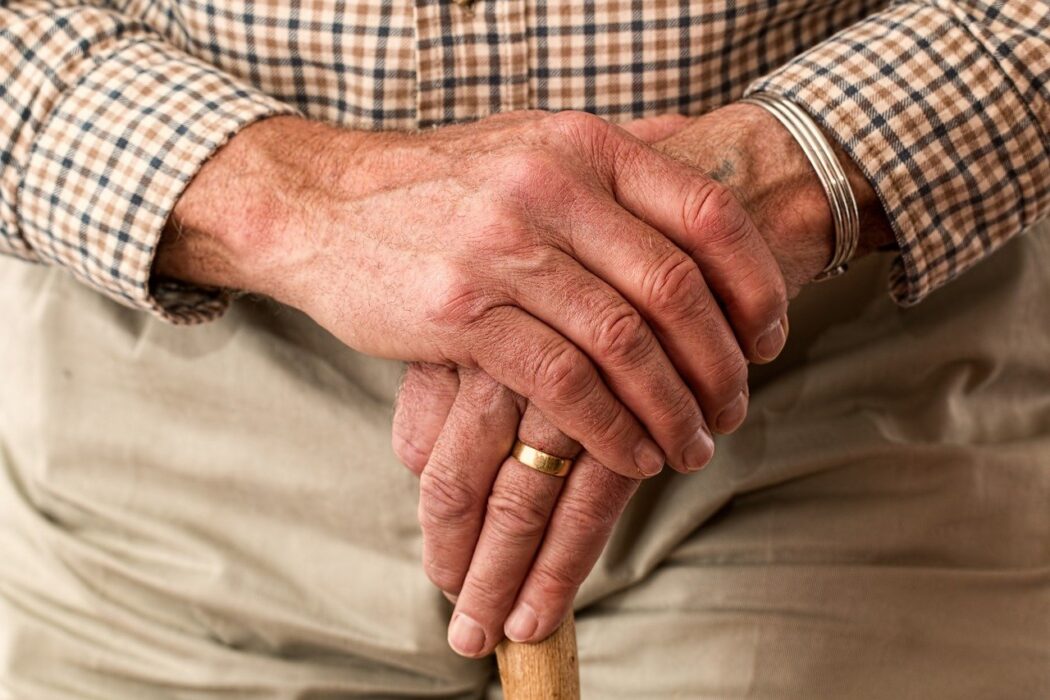
If you have an elderly relative who’s going to be living with you because of their care needs or for any other reasons, it’s important to consider how things might need to change to ensure they’re able to get the most out of their time staying with you. That means making adaptations to the home that are appropriate for an older person. Read on to find out about the kinds of adaptations that make the most sense to make.
Use an Intercom System for Door Entry
It’s a good idea to think about how your relative can answer the door when they’re alone in the home. Asking them to deal with visitors and all kinds of situations when you’re not there might not be far or realistic. So think about having a new intercom system installed on the property. Making door entry easier might make life a lot easier for them.
Install Handrails in Certain Parts of the Home
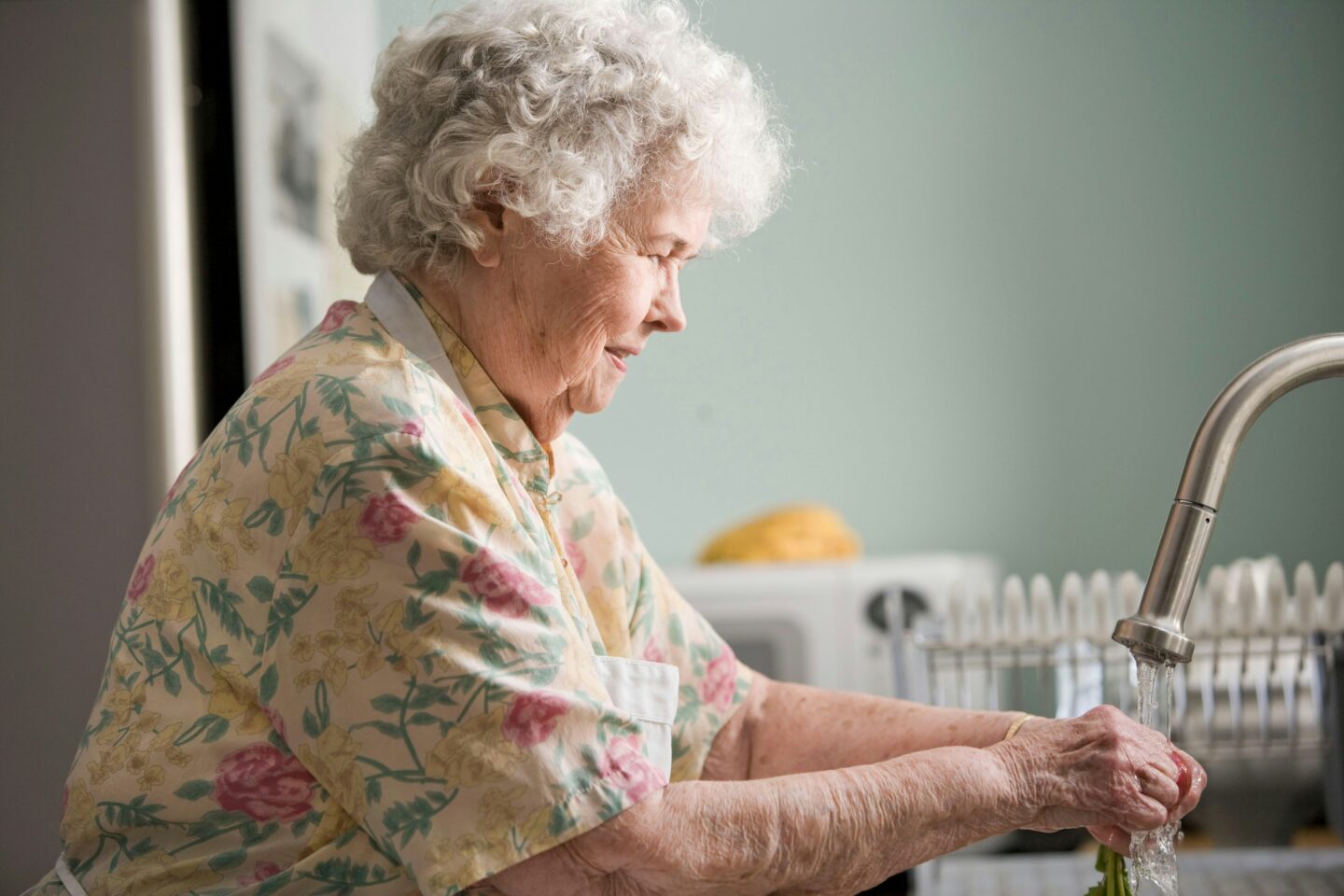
Installing handrails throughout the home might be a good idea if your relative has problems with mobility. Falls do become more likely as we get older, and being able to grab onto a rail for added security is often a very positive thing. There are certain parts of the home where this is even more essential, such as in the bathroom. Handrails can be a lifesaver there. Aswell as handrails around the home, you adapt your home even further with chairs for the elderly.
Install a Ramp if You Have Steep Exterior Steps
If stairs are a bit of a problem for your relative, it might be a good idea to have a ramp installed on your property instead. Of course, aluminium ramps make sense for wheelchair users. But even older people who don’t use a wheelchair can find it easier to walk up a ramp rather than navigate stairs, so it’s something that you should give some thought to.
Lower the Kitchen Worktops
Many older people find it harder to navigate the kitchen and make use of worktops and surfaces in the kitchen. That can be remedied by making the kitchen worktops slightly lower. This is quite a big task in terms of renovating the room, but it can give the older person living in your home a lot more independence when it comes to day-to-day life.
Put a Stairlift in Place
Putting a stairlift in place for your elderly relative is another thing you might want to consider if you’re at all concerned about safety in the home. Navigating stairs is always a big challenge, but it can be overcome with the help of technology such as this. They’re tiny and efficient these days, and they can reduce the risk of falls and accidents on the stairs.

As you can see, there are lots of ways in which you can go about the challenge of adapting your home to the needs of an elderly relative. By making the most of the things we’ve discussed here, you’ll be able to ensure you’re in the best possible position to help and support them.
*This is a collaborative post