
Delicious Tuna Salad Recipe

Are you looking for a healthy and delicious meal that’s easy to prepare? Look no further than this tasty Tuna Salad recipe! Packed with protein, healthy fats, and plenty of veggies, this dish is perfect for a light lunch or a quick dinner. And the best part? It only takes a few minutes to whip up!
Ingredients
2 cans of tuna (packed in water)
1/2 cup of diced celery
1/2 cup of diced onion
1/2 cup of diced red pepper
1/4 cup of mayonnaise
1 tablespoon of Dijon mustard
Salt and pepper to taste
4 cups of mixed greens
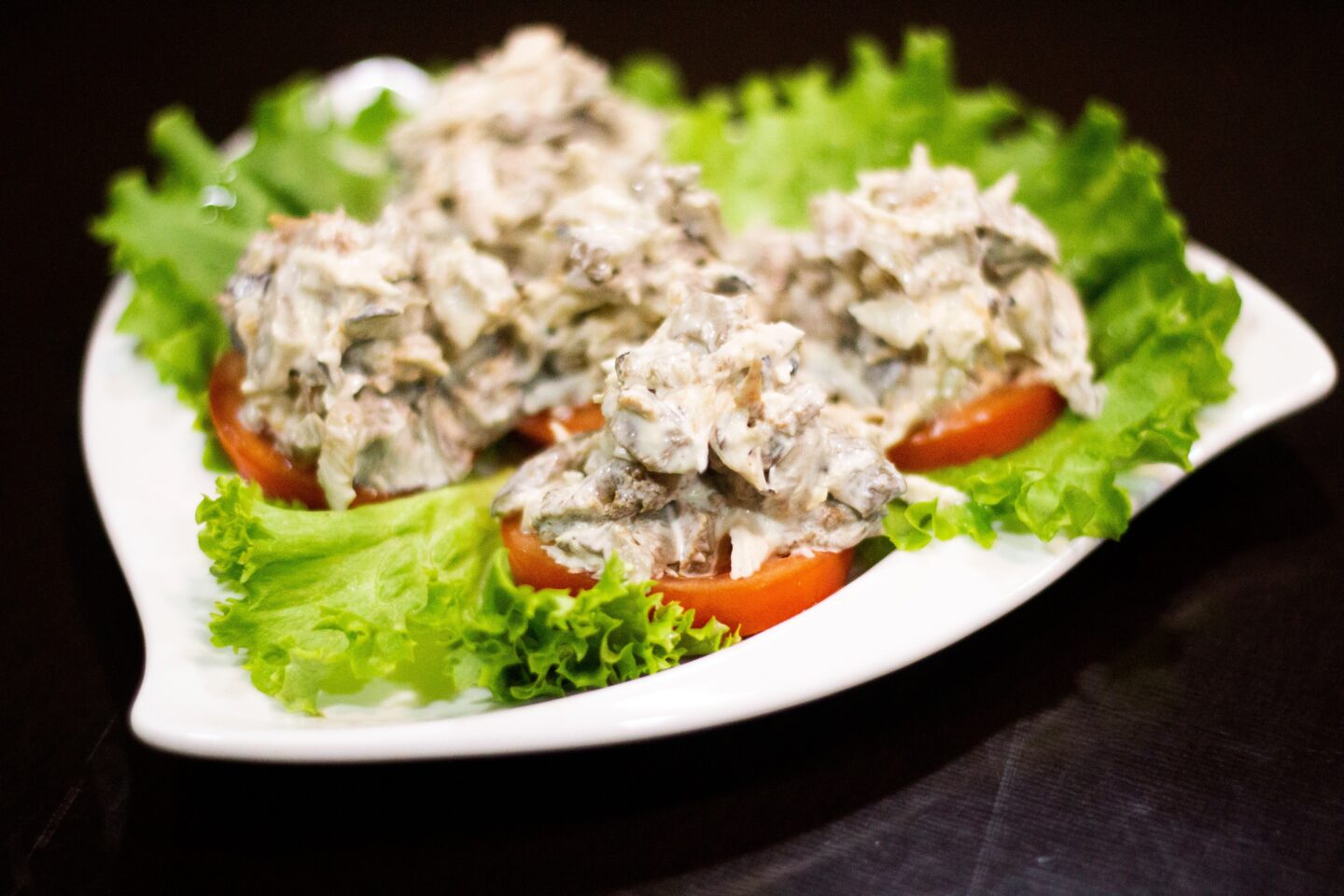
Instructions
Step 1
Drain the water from the cans of tuna and transfer the tuna to a large mixing bowl.
Step 2
Add the celery, onion, and red pepper to the bowl and mix well.
Step 3
In a separate small bowl, combine the mayonnaise and Dijon mustard, and whisk together until well mixed.
Step 4
Pour the mayo and mustard mixture over the tuna and veggies, and mix everything together until the tuna is evenly coated.
Step 5
Season the mixture with salt and pepper to taste.
Step 6
Divide the mixed greens between four plates and top each plate with a quarter of the tuna mixture.
Additional tips and variations
● To add some extra crunch to the salad, try adding some diced apples or chopped nuts.
● For a spicy kick, mix in some diced jalapeños or a pinch of cayenne pepper.
● If you’re looking to cut back on calories, try using Greek yogurt in place of the mayonnaise.
Shrimp and Rice Salad Recipe

If you’re looking for a heartier salad option, be sure to check out this delicious Shrimp and Rice Salad recipe from RiceSelect. Packed with veggies, protein, and healthy carbs, this salad is perfect for a filling lunch or dinner. Plus, it’s easy to customize with your favorite veggies and seasonings. Check out the recipe at https://riceselect.com/recipe/bangkok-rice-shrimp-salad.
Benefits of Tuna
Aside from being delicious, tuna is also a very healthy food choice. Here are some of the benefits that come with incorporating tuna into your diet:
Rich in protein
Tuna is a great source of protein, which is essential for building and repairing muscles, tissues, and organs in the body. Eating tuna can help you feel fuller for longer periods, making it a great option for those looking to lose weight.
Omega-3 Fatty Acids
Tuna is also rich in omega-3 fatty acids, which have been shown to improve heart health, reduce inflammation, and even boost brain function. Omega-3s are especially important for pregnant women, as they can help support fetal brain development.
Vitamins and minerals
Tuna is a good source of vitamins B12 and D, as well as minerals like iron, potassium, and magnesium. These nutrients are essential for maintaining good health and keeping your body functioning properly.
Low in calories
Tuna is relatively low in calories, with a 3-ounce serving containing only around 100 calories. This makes it a great option for those watching their calorie intake.
Side dishes for Tuna Salad
Looking for some tasty side dishes to serve alongside your tuna salad? Here are a few ideas to get you started:
Fresh bread: A slice of fresh, crusty bread is the perfect accompaniment to a light and refreshing tuna salad. Try toasting the bread for some added crunch.
Roasted vegetables: Roasting some veggies, like zucchini or bell peppers, is a great way to add some color and nutrition to your meal. Simply toss the veggies in some olive oil and seasonings, and roast in the oven until tender.
Quinoa or Brown Rice: Adding some quinoa or brown rice to your plate can help make your meal more filling and satisfying. Both are packed with fiber and protein, making them a great addition to a healthy diet.
How to Properly Store Tuna
Tuna is a nutritious and healthy food, rich in protein and omega-3 fatty acids. However, it is important to take certain precautions to properly preserve it and avoid deterioration or contamination.
Firstly, it is essential that fresh tuna is kept refrigerated at a temperature between 0 and 5 degrees Celsius. If the tuna has been frozen, it should be thawed in the refrigerator for a few hours before consumption. You should never leave tuna at room temperature for too long, as this can accelerate its decomposition and increase the risk of food poisoning.
Types of Tuna
When it comes to choosing tuna for your salad, there are several different types to choose from. Here are a few of the most common types of tuna:
● Albacore: Also known as “white tuna,” albacore tuna has a mild flavor and a firm, meaty texture. It’s a popular choice for canned tuna, as it holds its shape well and is easy to prepare.
● Yellowfin: Yellowfin tuna, also known as ahi, is a larger and more flavorful type of tuna. It’s often served raw in sushi or seared as a steak.
● Skipjack: Skipjack tuna is another popular type of canned tuna, known for its relatively low mercury levels and mild flavor.
● Bluefin: Bluefin tuna is a larger and more expensive type of tuna, prized for its rich flavor and high fat content. It’s often served in high-end sushi restaurants and can be quite expensive.
● Bonito: Bonito tuna, also known as skipjack tuna, is a smaller and more affordable type of tuna. It has a darker flesh and a stronger flavor than other types of tuna.
The tuna salad is a delicious and healthy option that can be enjoyed on its own or as a side dish. With its high protein content and various health benefits, it’s a great
addition to any diet. By following the tips on how to properly store tuna, you can ensure that your tuna salad stays fresh and safe to eat.
And with the additional tips and variations provided, you can customize your tuna salad to your liking. So next time you’re looking for a quick and easy meal, consider making a delicious and nutritious tuna salad.
*This is a collaborative post