
Could learning together be the antidote to the ‘perfect family holiday’?
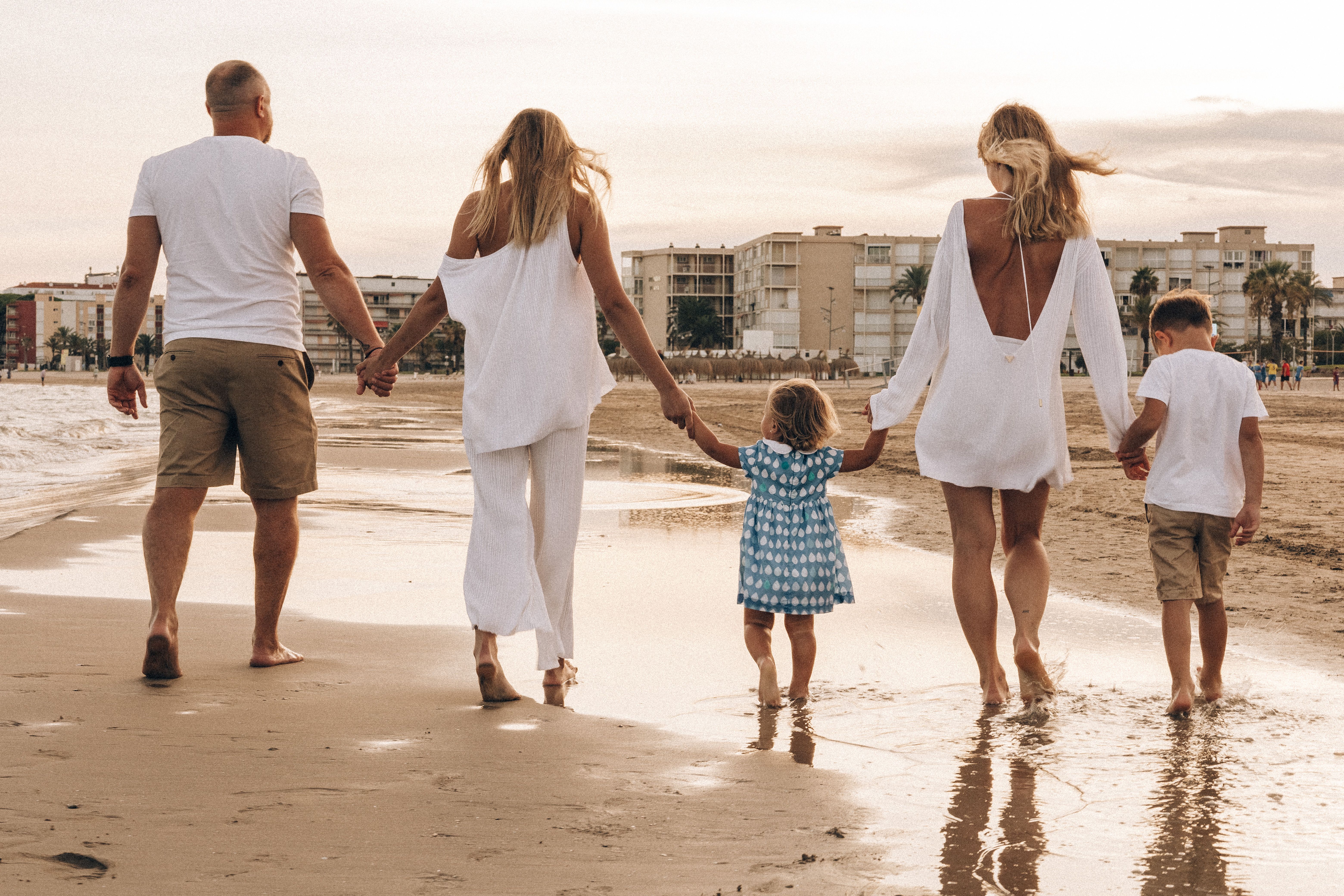
As wonderful as it is, there’s a lot of pressure wrapped up in a family break. We picture everyone smiling in the same photograph at exactly the right time, but lo and behold, real life packs its bags too. Someone is tired, someone dislikes the food, and someone else has decided that the carefully researched day out is “boring”. Perhaps the problem isn’t the family, but the idea that a holiday must look perfect to count as a good one.
Perfection gives everyone a job
The perfect-break fantasy hands out roles really fast. Parents become organisers, photographers and peacekeepers. Children are expected to be grateful, enthusiastic and miraculously free from sibling rows. That’s a lot to ask when everybody is away from their usual bed and routine.
A shared beginner activity changes the aim. Instead of trying to look as though you are having a wonderful time, you have something real to concentrate on, like keeping a kayak straight or following a woodland trail. The day can be messy and still be successful because success is no longer measured by flawless behaviour. It might simply mean that everybody tried! This doesn’t require a huge overseas adventure, either. My guide to places to visit in Northern Ireland without a car is a lovely reminder that family adventures can begin with a bus and simply somewhere new to explore.
Children need to see us wobble too
Children spend so much of their lives being taught by adults who already know the answer. Learning side by side turns that arrangement on its head. “I can’t do this yet” feels less frightening when the grown-ups are saying it too. A 2026 National Literacy Trust survey found that more than 60% of parents who read, chatted or played with their young child did so because they enjoyed it or felt it helped them bond. The activity in question may be different on holiday, but the useful bit is the same: doing something together can be enjoyable without becoming another performance target. Parents don’t have to pretend to be fearless. Instead, saying “I’m nervous, so I’ll start slowly” shows children what courage actually looks like.
Choose a challenge, not a test
Of course, “learning together” only works if together doesn’t mean everybody must progress at the same speed. Build in different levels, a sensible stopping point and permission to opt out without being teased. Lessons can help when equipment or safety is involved, but leave room for hot-chocolate breaks and doing nothing much at all. A ski holiday could create that shared-beginner feeling, but so could paddleboarding, pottery, cycling or trying a local cookery class. Pick something nobody feels they must be brilliant at. Then set a tiny family goal rather than turning the week into an unofficial competition. The point is to collect a story, not a certificate!
Leave enough space
It is tempting to book every hour, particularly when the trip has cost a fair chunk of money. Yet learning takes energy, and tired families aren’t famous for their sparkling communication. One main activity a day may be plenty. Follow it with food, rest and an easy plan that can be abandoned if necessary. My honest account of trying new activities on a family break captures that mix nicely: different confidence levels, a few tricky moments and plenty of pride when the children gave things a go! It’s far more relatable than pretending every activity landed perfectly. Keep one unplanned pocket in each day and let the family decide what it needs.
*This is a collaborative post