
AD | Should You Let Your Family Experiment With VR Gaming?

When virtual reality headsets hit the market five years ago, people saw them as the wave of the future. Everyone, we thought, would be walking around with these devices strapped to their heads in just a few years, interacting with virtual reality worlds.
That didn’t happen. Everyday life continued as it always had done. And VR headsets remained firmly in the realm of casual video gaming.
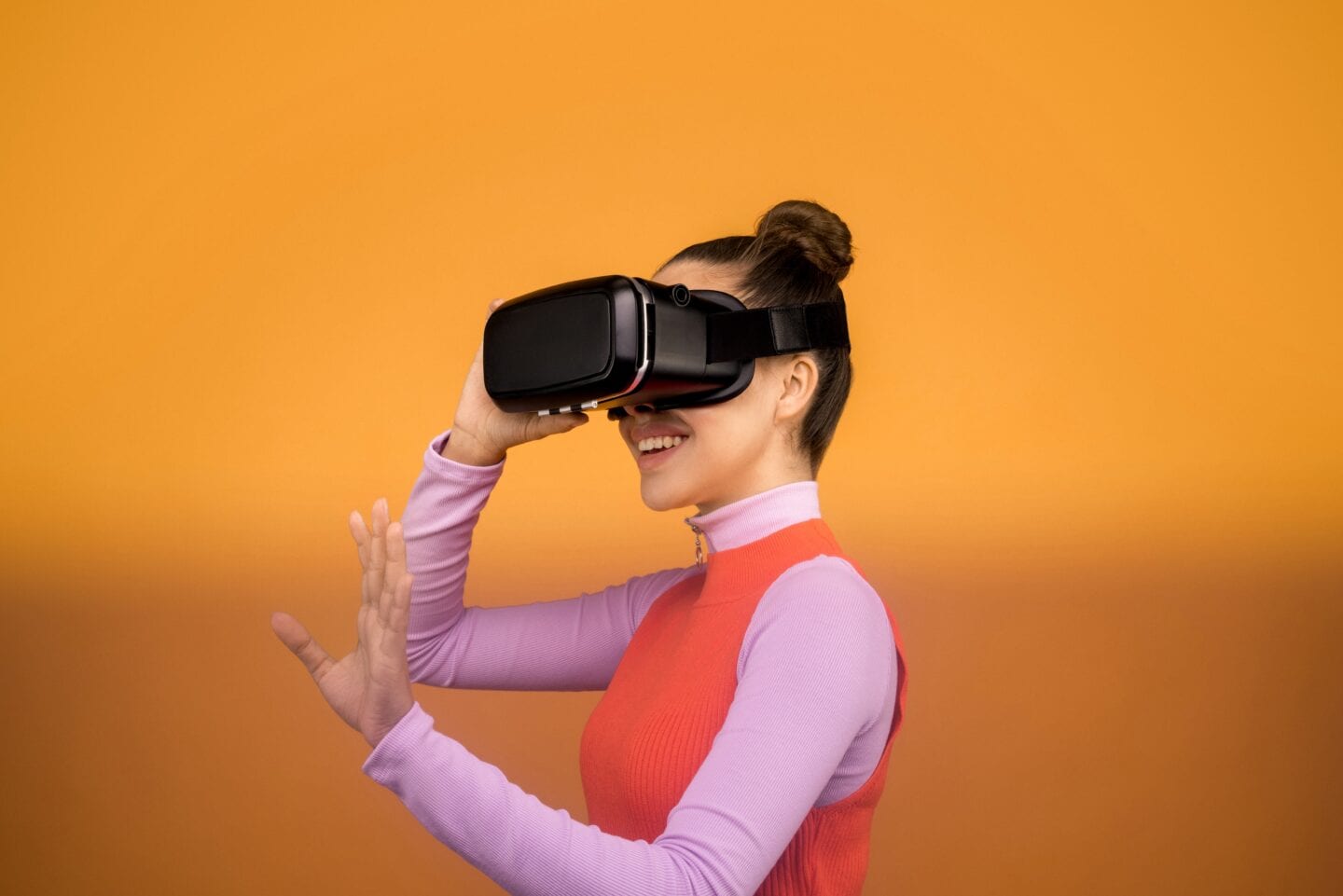
Even so, parents are still asking themselves whether they should experiment with virtual reality environments. Is it a good, bad or neutral thing for the family environment?
Most Headsets Are For Older Children
The makers of the Oculus Rift and Gear VR are clear that their devices are not for young children. Most recommend that kids be at least 12 or 13 before putting one of these things on their head.
The reason is partly to do with balance issues, and partly the disorientation that these headsets create. When you put one of these things over your eyes, you rely on the image on the screen corresponding with the balance mechanisms in your brain. Adults are usually pretty good at making adjustments for delays on the screen, but kids generally aren’t. And that’s where the danger can arise.
Weirdly, though, scientists don’t have much data on this subject, mainly because VR headsets are so new to the market. The current approach is one of caution. VR headsets are unlikely to cause lasting damage to children’s brains, but many researchers aren’t sure what the long-run ramifications will be.
Rats Behave Differently In Virtual Environments
Interestingly, rats seem to behave very differently in virtual environments compared to real ones. Research seems to indicate that around half of their neurons shut down in the ersatz version while they remain active when they experience the real thing.
Effects like this are worrying for parents of young children. If the brain is indeed inactive while playing games on VR, what are the development implications? At present, scientists aren’t entirely sure.
Vision Issues
VR also has effects on the vision, which could impact older adults. Watching things unfold through a headset is very different from playing Wonga games on your regular computer screen.
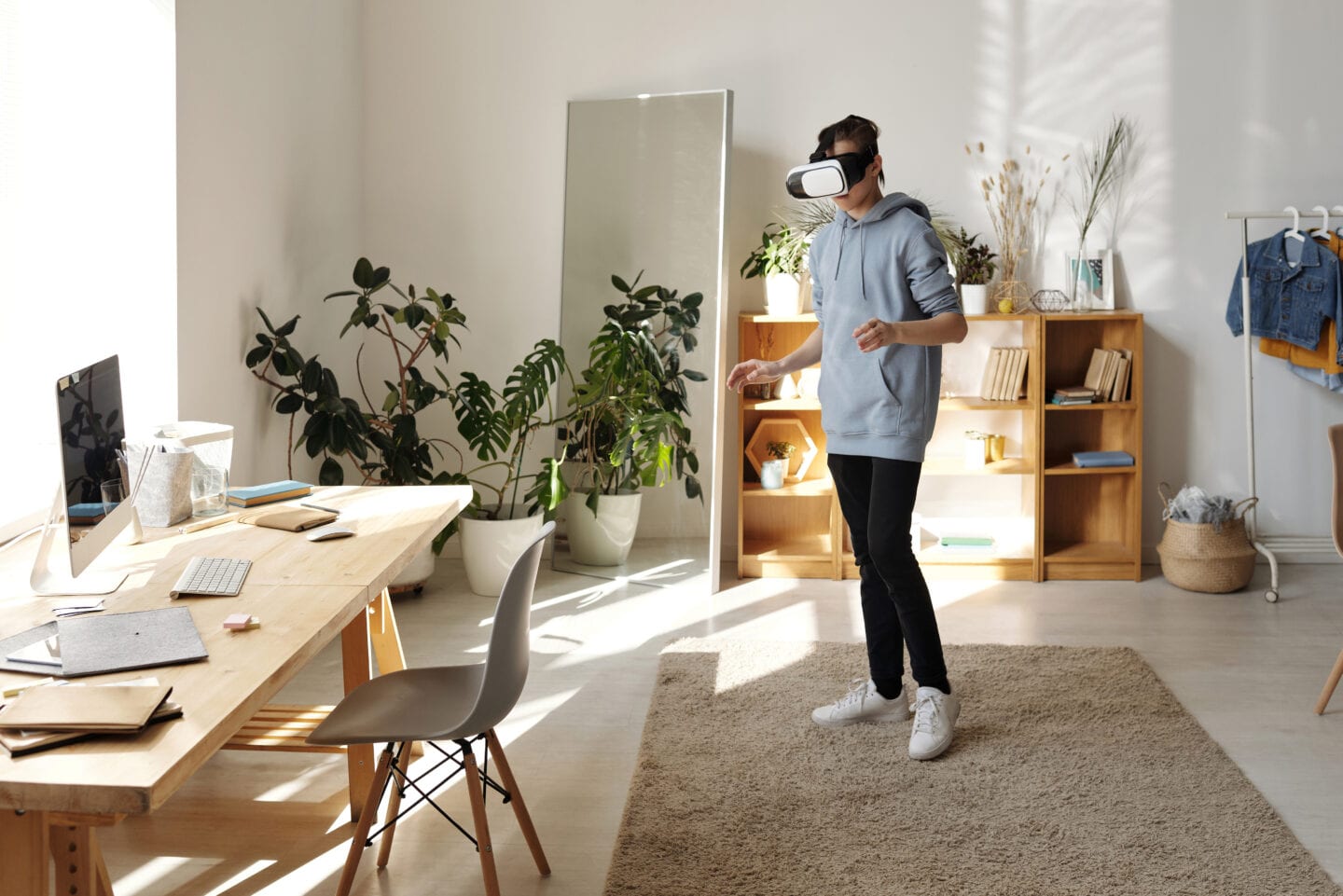
It comes down to something called the vengeance-accommodation conflict. When you look at something in the real world, you point your eyeballs in that direction first – the vengeance part – and then your lenses focus – the accommodation bit.
But when you use a VR headset, there is no real depth – just the illusion of depth. So the actual focal point doesn’t change when you swivel your eyeballs around in the chamber. Part of your brain thinks that you’re looking at something in the distance, but it is all contrived. That’s not what’s happening at all.
Some researchers think that this could be what is behind the eyestrain and headaches many people experience when they put on a set of VR goggles. There is a mismatch between what the biology of the eye is designed to do and what is being asked of it by the headset. And that conflict could be the source of eye problems.
This is a collaborative post.

that looks really cool, I want to try it too:-D