
6 Tips for Planning Your Perfect Wine Tasting Getaway
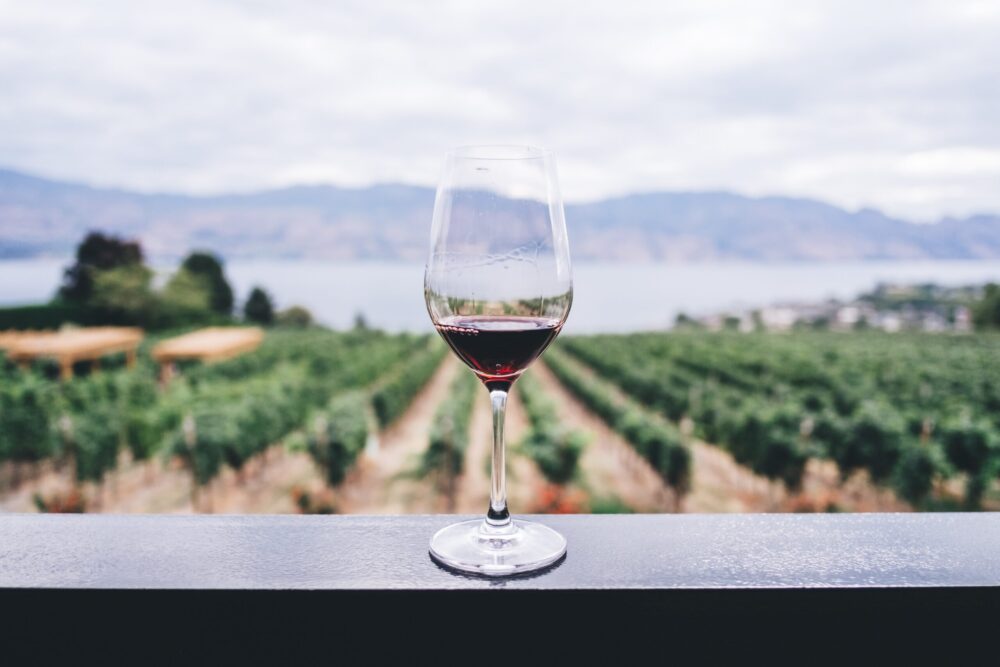
A wine-tasting vacation is gaining traction as a trendy break for wine enthusiasts at all stages of their wine journey. It’s a one-of-a-kind experience that allows you to taste top-notch wines directly from the source while immersing yourself in stunning landscapes, fine dining, and rich cultural traditions.
Moreover, such a trip can be an enlightening experience to dive deeper into the world of wines, understanding the types, origins, and subtle differences in taste and fragrance. It’s a brilliant pretext to discover picturesque vineyards and wineries, often nestled in the most beautiful corners of the globe.
Spotlight on Location
Your wine-tasting escape is fundamental. Each region has its own signature wines, which shape your experience. Factors such as climate, soil, and age-old customs of a region determine the kinds and tastes of the wines. A bit of research on these elements can go a long way in deciding your destination.
Consider, for instance, the Texas Hill Country. This respected wine region is the second biggest certified Viticultural Area in the US. With over 50 wineries and many wine options, it caters to various tastes. Nestled in Hill Country, there is Fredericksburg, a small city with a rich heritage of German settlers who started wine production as early as the 17th century. Today, Fredericksburg is a recognized wine hotspot. It is home to many prize-winning wineries that produce regional varietals, such as Tempranillo, Viognier, and Syrah.
You can also plan a stay at a Fredericksburg resort that boasts a blend of luxury and exploration. Guests can make the most of amenities like a resort-style swimming pool, outdoor kitchen, grills, and full RV hookups, all set in the lap of nature, giving you the ultimate vacation experience. Your choice of lodging serves as a tranquil retreat after a day’s exploration, provides easy access to the wineries on your itinerary, and heightens your overall experience.
Looking Beyond the Wine
While wine tasting forms the crux of such a getaway, it’s not all about the vines. The landscape, local traditions, and the connections you build are just as integral to the journey. To make the trip truly enriching, it can be beneficial to discover other local points of interest and mingle with the local folks.
- Discover Local Attractions: Every region has unique attractions, be it a centuries-old castle, a bustling market, a serene lake, or a beautiful hiking trail. Research what’s available in your chosen destination and include a few of these attractions in your itinerary.
- Engage with Local Culture: Participate in local events or festivals if your visit coincides with any. This will give you an authentic taste of the local culture and traditions.
- Dine Locally: Make sure to sample the local cuisine. Many wine regions also have fantastic local food to match their wines.
- Meet the Locals: Engaging with locals can offer insights no travel guide can provide. Their recommendations might lead you to a less-known but amazing winery or a hidden jewel in the area.
The Early Bird Catches the Wine
Maximizing your wine-tasting vacation means planning ahead of time. Detailed research about the chosen location, potential wineries, accommodations, and transportation, among other things, can save you from any last-minute issues and promise a more seamless experience.
Drafting a practical itinerary should be among your initial steps. While squeezing in as many wineries as possible might be enticing, it’s important to remember that wine tasting is more about quality than quantity. Pick a handful of top-rated wineries and give yourself enough time at each spot. This way, you can savor the experience instead of hurrying from one taste to another.
Get Wise About Wines
A wine-tasting vacation isn’t just about drinking wine; it’s about savoring different wine varietals’ intricate variety and distinctiveness. Before setting out on your trip, invest some time understanding the types of wines the chosen region is famous for. Not only will this enrich your tasting experience, but it can guide you in deciding which wineries to include in your itinerary.
Knowing varietals extends beyond just identifying diverse grape types. It means understanding each wine’s unique characteristics – its aroma, taste profile, and the particular growing conditions it necessitates.
Let’s explore a few types of wines:
- Cabernet Sauvignon: This red grape variety is known for its depth of flavor. Its taste profile ranges from black currants and cherries to green bell pepper notes when unripe. Cabernet Sauvignon prefers warmer climates and is widely planted in regions such as California and Bordeaux.
- Tempranillo: A black grape variety in its native Spain, particularly in Rioja, Tempranillo is known for making full-bodied red wines. It thrives in various soils, including the heat of Texas, and delivers flavors of cherry, plum, tomato, and often a characteristic tobacco note.
- Merlot: It is a dark blue-colored wine grape variety, often softer and fruitier than Cabernet Sauvignon. It grows well in various climates and soils with flavors like plum, black cherry, and herbal notes.
- Chardonnay: This green-skinned grape variety can be crafted into everything from sparkling wines to rich, buttery whites. Its flavor profile varies widely depending on climate and winemaking techniques but can range from green apples and citrus in cooler climates to tropical fruit notes in warmer regions.
- Pinot Noir: Known for its delicacy, Pinot Noir produces light to medium-bodied red wines with flavors of red fruit, spice, and sometimes earthy notes. It thrives in cooler climates like Burgundy and Oregon.
Each wine type holds its charm and complexity, making the journey through vineyards a unique adventure every time.
Time It Right
The timing of your trip can greatly impact your wine-tasting experience. Each season brings its unique charm – the lush vineyards filled with grapes in summer, the fiery hues of autumn, or the serene winter vineyards. Typically, spring and autumn are thought to be the best seasons for wine tasting due to the generally mild and pleasing weather.
Besides considering the seasons, it’s also crucial to know the operating hours and timetables of the wineries on your list. Some might have special events, tours, or tastings that could enhance your experience. Checking their schedules and making any required reservations beforehand can help avoid disappointments.
Conclusion
Organizing a wine-tasting trip goes beyond selecting a location and securing a place to stay. It entails immersing yourself in the experience, deciphering the subtleties of different wines, and being open to new adventures. Whether your route leads you to the famous vineyards of Fredericksburg or a lesser-known wine locale, the tips mentioned in this guide can help optimize your wine-tasting vacation.
*This is a collaborative post