
Your Guide to Designing a Low-Maintenance Garden That Thrives All Year
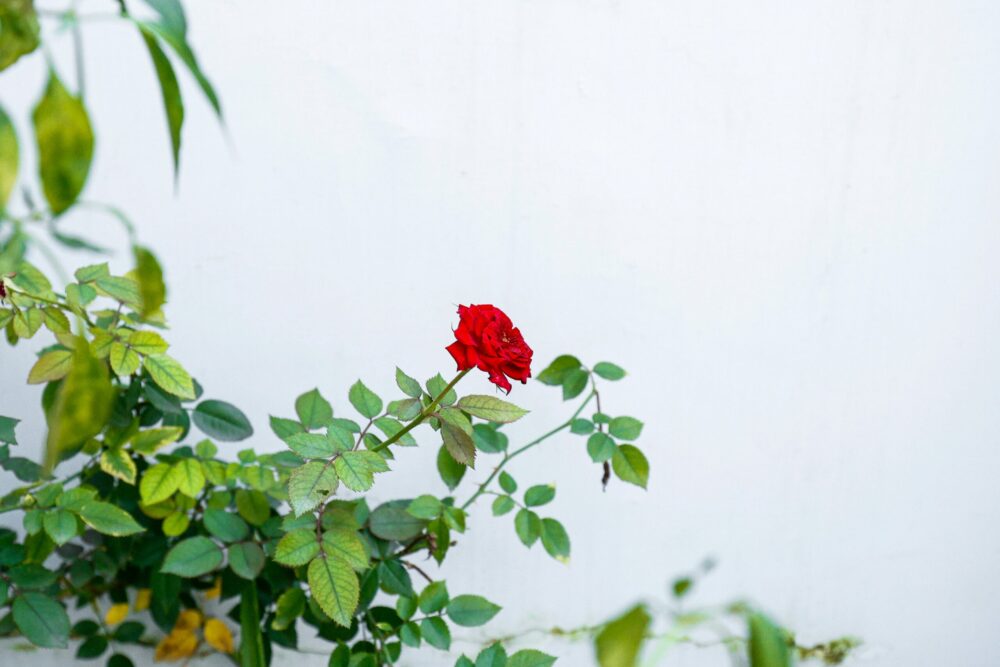
Creating a garden that stays beautiful all year without constant upkeep is a gardener’s dream. Imagine having a lush, vibrant garden that doesn’t demand frequent attention. It’s possible with the right combination of plants and design strategies.
Raleigh Reality Homes notes that about 55% of U.S. households have a garden, which equates to approximately 71.5 million gardening households. The United States is ranked among the top three gardening countries in the world due to this extensive enthusiasm. Gardening remains a popular and cherished activity for millions across the country.
Choosing low-maintenance varieties and planning smart layouts can make a big difference. These methods will allow you to enjoy a beautiful outdoor area with little work. Learn how to strike this balance and create a year-round haven in your garden.
In this guide, we will walk you through the essentials of designing a low-maintenance garden, from choosing the right plants to landscaping techniques.
Choose Hardy, Low-Maintenance Plants
The appropriate plant selection is essential for a low-maintenance landscape. Select hardy species that are appropriate for the soil and climate in your area. Native plants are a wonderful choice as they are suited to the local environment and often require less water and fertilizer. Additionally, try making use of perennial plants, which require no annual replanting and come back year after year.
thrive.org.uk mentions that shrubs add year-round interest to your garden, with some varieties requiring minimal maintenance and pruning. For a richly scented option, consider the Mexican orange blossom, known for its delightful citrus fragrance. This evergreen shrub typically grows up to 2.5 meters high and thrives in sunny or partially shady spots, making it a solid choice.
Ground covers such as creeping thyme can also reduce the need for frequent weeding and provide a lush, green carpet with minimal effort. Avoid high-maintenance plants that demand regular pruning or special care, opting instead for resilient species that thrive with little intervention.
Opt for Safe and Sustainable Gardening Practices
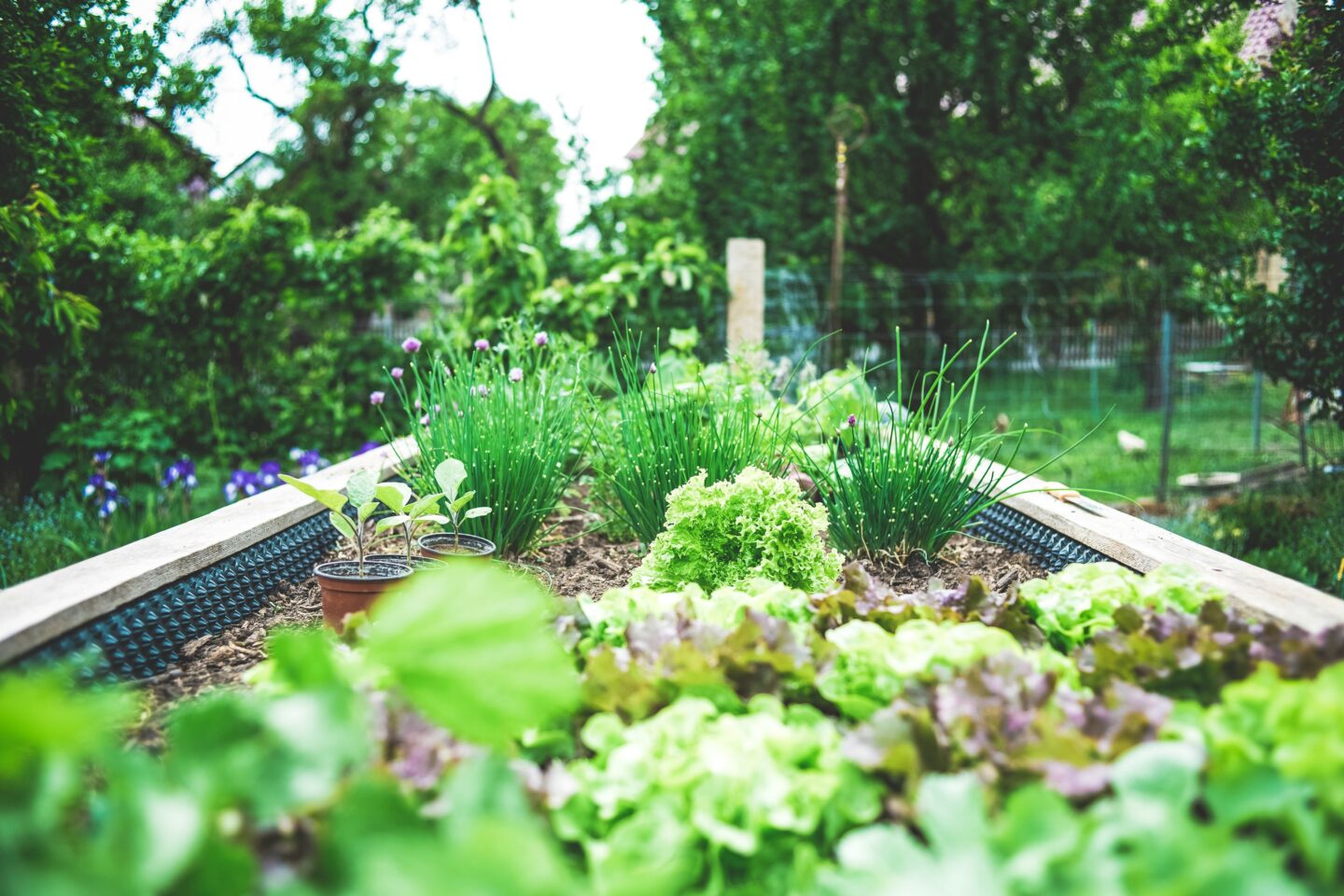
Reducing upkeep and improving the environment are two of the many benefits of incorporating sustainable methods into your garden design. To control illnesses and pests, steer clear of toxic chemicals and use organic options instead. Garden pests can be successfully controlled with natural remedies like neem oil or insecticidal soap, all without the hazards of conventional pesticides.
Be cautious with products like Paraquat, a highly toxic herbicide that poses significant health risks to both humans and wildlife. Paraquat can lead to serious health issues if ingested or inhaled, and it has been linked to environmental contamination.
BMC reports that studies show that paraquat poisoning has a high mortality rate, ranging from 33.0% to 91.7%. The toxicity of Paraquat can present both acutely and chronically, leading to severe health complications. Understanding these risks highlights the importance of seeking safer alternatives in gardening and agriculture.
TorHoerman Law notes that in addition to its health and environmental risks, the use of Paraquat has led to legal action against its manufacturers. Lawsuits have been filed by individuals who have experienced severe health effects due to Paraquat exposure, including long-term neurological damage and even death. These legal cases highlight the dangers of hazardous chemicals and emphasize the need for safer alternatives.
The Lawsuit Information Center mentions that these lawsuits began increasing significantly in 2020, leading to the formation of a class action MDL in 2021. This MDL, based in the Southern District of Illinois, was assigned to Judge Nancy Rosenstengel. Initially growing slowly, the MDL saw a dramatic rise in activity in 2022 and 2023, with nearly 300 new Paraquat lawsuits added each month. In 2022 alone, the MDL tripled in size and doubled again in the first half of 2023.
Implement Efficient Watering Systems
An effective watering system can significantly reduce garden maintenance. One excellent method is drip irrigation, which provides water to the roots of the plants where it is most required. This lessens the need for regular irrigation and saves water waste. Another way to collect and store rainwater for use during dry periods is by installing a rain barrel.
Mulch may also be added to plants’ surroundings to help preserve soil moisture, decrease evaporation, and inhibit weed growth. Select drought-tolerant plants to reduce water requirements and simplify your gardening schedule even more. You can maintain a vibrant garden with minimal effort by setting up an efficient watering system and choosing plants suited to your climate.
FAQs
What plants are best for low-maintenance gardens?
Selecting plants that are hardy, native, and resistant to drought is essential for a low-maintenance landscape. Because they are climate-adapted, these plants require less watering and maintenance. The fact that perennials come back year after year and don’t require replacing makes them even better.
What steps can I take to improve the sustainability of my garden?
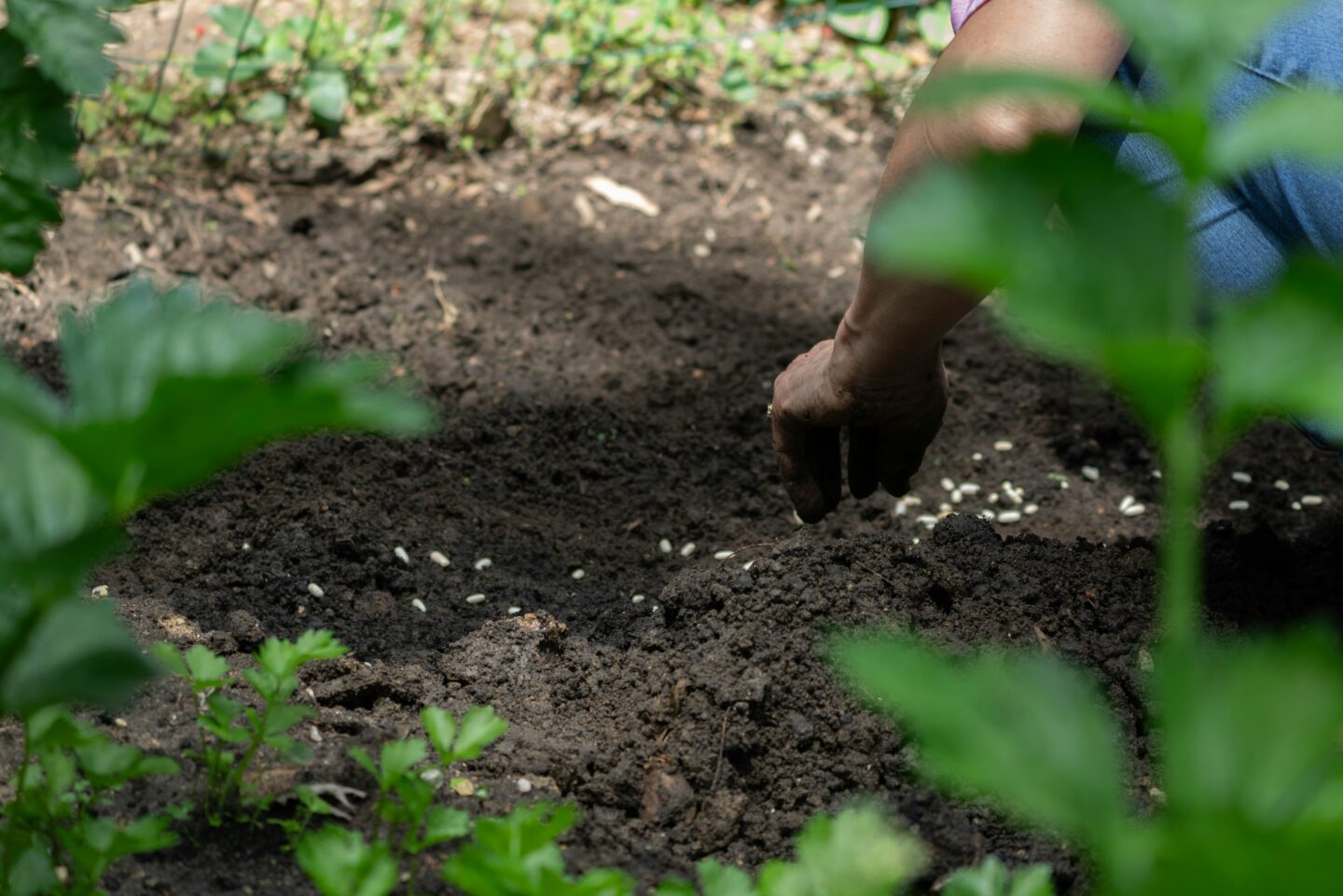
You can incorporate organic pest control methods and avoid harmful chemicals. Sustainable gardening practices, like using rainwater for irrigation and natural pest solutions, promote environmental health. This approach also reduces long-term maintenance, making your garden eco-friendly and easier to manage.
Why should I avoid using Paraquat in my garden?
Paraquat is a toxic herbicide with serious health and environmental risks. Exposure can lead to severe health issues and environmental contamination, making it unsafe for regular gardening use. Opting for safer alternatives helps protect both your health and the surrounding ecosystem.
Designing a garden that thrives with minimal effort is possible with the right approach. Start by selecting plants that are native, perennial, and drought-tolerant to ensure they thrive with less maintenance. Utilize sustainable practices like organic pest control and rainwater harvesting to keep your garden eco-friendly.
Implement an efficient watering system and use mulch to retain soil moisture and reduce the need for frequent watering. With thoughtful planning and these simple strategies, you can enjoy a stunning, low-maintenance garden that looks great throughout the year. Your garden can be both beautiful and easy to manage with just a little effort.
*This is a collaborative post