
What to Expect at Your First RHA Fillers Appointment
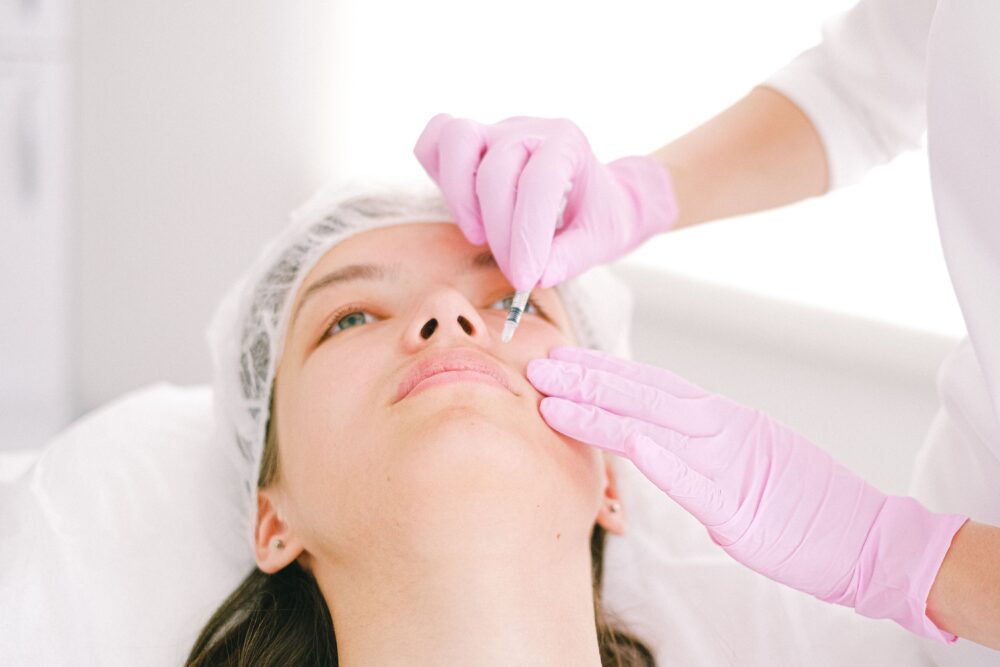
Most people researching filler for the first time picture one generic experience: a needle, some swelling, and hoping for the best. RHA fillers work differently enough from traditional options that walking in with the right expectations actually changes how comfortable the whole appointment feels.
Beverly Hills has become one of the more established places to get RHA treatment specifically, thanks to a concentration of injectors who trained on the product early and understand its behavior in a way that’s still catching on elsewhere. Knowing what the appointment actually involves, before you sit in the chair, makes the entire process feel far less unfamiliar.
What exactly is RHA?
Resilient Hyaluronic Acid, or RHA, is a newer generation of dermal filler built around a problem older fillers never fully solved. It uses a lighter, less processed form of hyaluronic acid that’s designed to stretch and recover its shape as the face moves, rather than resisting that movement. In practice, that makes it especially well suited to areas that are rarely still, like the lips, the nasolabial folds, and the midface, where traditional filler can sometimes look noticeably fixed in place. An FDA Summary of Safety and Effectiveness Data on the RHA line found that more than 83% of patients reported a natural look and feel from their results a full year after treatment, with patient satisfaction still above 88% at that same one-year mark.
Getting Ready for Your First Appointment
Preparation matters more with RHA than people expect, mostly because a few small missteps beforehand can affect both comfort and results.
1. Consultation and Medical History
Before any product is discussed, your provider needs a full picture of your goals, your treatment history with other fillers, and any relevant medical conditions or allergies. This conversation is what actually determines which RHA formulation and how much product makes sense for your face.
2. Medications and Supplements to Watch
Blood thinners, certain supplements like fish oil or vitamin E, and even excessive alcohol in the days beforehand can increase bruising risk. Most providers recommend pausing these where medically appropriate for about a week before treatment, with your doctor’s guidance.
3. Skin and Lifestyle Habits Leading Up to Treatment
Avoiding sun exposure, staying hydrated, and skipping harsh exfoliants or retinoids for a few days beforehand all help minimize irritation and swelling. None of these steps are complicated, but skipping them is one of the more common reasons patients experience more downtime than necessary.
Inside the Appointment: How RHA Treatment Actually Works
Once preparation is out of the way, the appointment itself moves through a fairly consistent sequence, regardless of which area is being treated.
● Facial assessment and planning: Your provider evaluates your anatomy, skin quality, and how the treatment area moves, then finalizes exactly how much product and which formulation fits your goals.
● Marking the injection points: Precise markings are made before any needle touches your skin, mapping out depth and placement based on the plan from your consultation.
● The injection itself: Filler is placed in small, controlled amounts, often with brief pauses to check symmetry and movement as the provider goes. Numbing cream and the lidocaine already mixed into most RHA formulations keep this part far more comfortable than people expect.
● Total appointment time: Most single-area treatments take between fifteen and thirty minutes from start to finish, making it realistic to fit into a lunch break for many patients.
By the end of the appointment, most patients have a much clearer understanding of both the treatment process and their expected results. What started as an unfamiliar process becomes a fairly simple, predictable routine by the second visit.
The First Few Days and When Results Show Up
Immediately after treatment, mild swelling and slight redness at the injection sites are normal and usually settle within a day or two. Bruising is less predictable, some patients see none at all, while others notice light bruising that fades within about a week.
One notable difference with RHA specifically is how minimal the swelling tends to be compared to some traditional fillers, a result of its gentler manufacturing process. Because of this, many patients start seeing a good sense of their results within just a few days, well before swelling has fully resolved, with the truly final look settling in over the following one to two weeks.
Choosing a Provider Who Actually Understands RHA
Not every injector has deep, hands-on experience with the RHA collection specifically, since it behaves differently from the fillers most providers trained on originally. A few signs can tell you early whether a provider actually knows this product well.
Look for a provider who:
● Talks specifically about RHA formulations, not just “filler” in general terms
● Explains why they’d choose RHA over a traditional filler for your particular treatment area
● Asks how your face moves, not just what it looks like at rest
● Has treated dynamic areas like the lips or nasolabial folds with RHA specifically If you’re researching RHA fillers in Beverly Hills, it’s worth asking directly how often a provider works with this specific collection, not just fillers in general.
Dr. Behrooz Torkian has built a practice around this level of specificity, tailoring formulation and technique to how each patient’s face actually moves rather than applying a one-size-fits-all approach.
How Long RHA Results Actually Last
RHA fillers typically last between twelve and fifteen months, noticeably longer than many traditional hyaluronic acid fillers, which often need touch-ups closer to the six to nine month mark. Where you land in that range depends on the treatment area, your metabolism, and lifestyle habits like sun exposure and smoking.
Many patients schedule a small maintenance treatment before results fully fade, using less product than the original session. This keeps results looking consistent year over year, rather than starting over each time.
Questions to Ask During Your Consultation
A strong consultation should leave you with clear, specific answers, not just a general sense of reassurance. A few questions are worth bringing up directly:
● How many RHA treatments have you performed, and which formulations do you use most often?
● Which specific RHA product do you recommend for my goals, and why that one over the others in the collection?
● How will you adjust your technique for an area that moves as much as the lips or midface?
● What does a realistic recovery and results timeline look like for my specific treatment area?
● How do you approach touch-ups or adjustments if the first result isn’t quite right?
A provider who answers these clearly and specifically, rather than defaulting to vague reassurances, is usually a strong sign you’re in capable hands.
Final Thoughts
A first RHA appointment doesn’t need to feel like a leap into the unknown. Once you understand what makes the product different, how to prepare, what the appointment itself involves, and what realistic recovery and longevity look like, most of the uncertainty disappears before you ever sit in the chair. Walking in informed is what turns a good result into a genuinely natural one.
*This is a collaborative post