
The Hidden Costs of Owning an Electric Vehicle
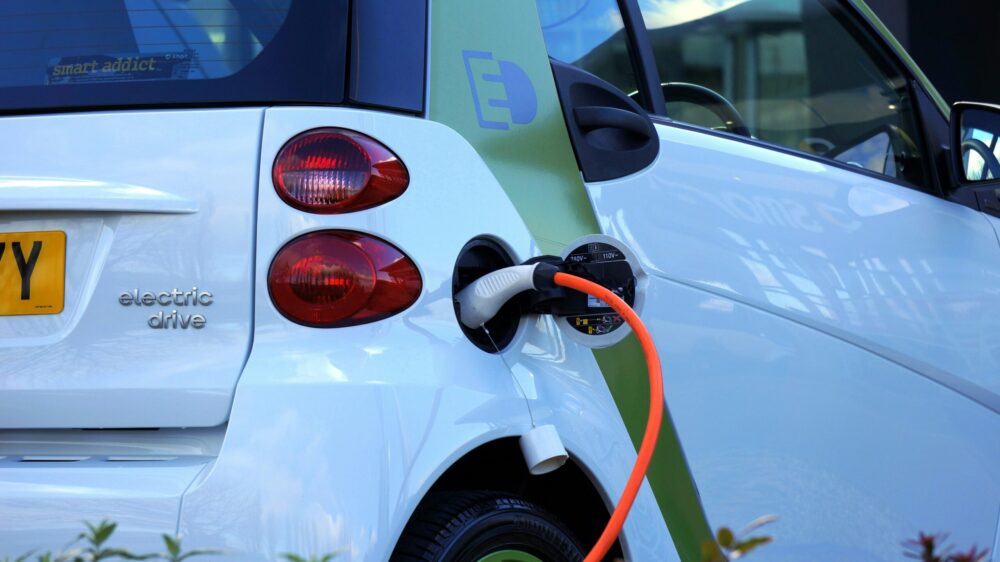
With fewer mechanical parts and the elimination of the need for fuel compared to a standard gas-powered vehicle, it may seem as if an electric vehicle’s overall costs are slim. But this can’t be further from the truth.
Beneath the surface, the associated cost of electric vehicle ownership goes beyond its initial purchase price.
Indeed, there’s no need to pay to replace fan belts and filters or make oil changes as you would with a gas car. However, additional components may need your watchful eye (and eventually, your wallet) to ensure their efficiency and operational capacity, like the vehicle’s battery.
The costs aren’t restricted to just repair and replacement costs either. From charging infrastructure to insurance costs, there’s a slew of other costs to consider before signing any purchase contract for an electric vehicle.
Without further ado, let’s explore the variables that can add a markup to your average electric vehicle owner’s expenses.
Auto Insurance
Car insurance is mandatory in most parts of the United States and the entirety of Australia and the United Kingdom.
For Australian drivers, in particular, the required insurance policy is called compulsory third-party (CTP) insurance. This type of insurance covers injuries made to third-party individuals, specifically handling their medical expenses, rehab costs, and ongoing care.
While all private vehicle owners need insurance, getting insured as an EV driver is going to cost you more than you would as a driver of a gas car. The yearly difference in costs, on average, is 18 per cent, with EVs edging out.
The reason for the price differential is the increased difficulty of sourcing EV-specific components. This is especially true for luxury car brands like Tesla, as they have brand-specific car parts that can only be fixed and installed in their service areas.
That said, insurance costs can shoot even higher if you opt for comprehensive car insurance, typically sitting at about $800-1,000 annually for most insurers. This policy covers more instances of car damage and liability, including:
- Personal and passenger injury
- Natural disasters like flooding and earthquakes
- Fall and explosion damage
- Repair costs of your vehicle
- Repair costs of the other party’s vehicle
- Hailstorms and wildfire damage
- Attempted theft or theft
- Vandalism
Coverage for these options may be bundled or be considered add-ons for your comprehensive insurance policy. To know the actual terms and conditions of your insurance plan, it’s best to talk to your insurance provider to fully understand the extent of your coverage.
You may also discuss this matter with a legal expert to ensure you’re partnering with the best insurer and getting into the right deal.
Charging Infrastructure
When buying an electric vehicle, you’re not only getting the car from the store. You’ll also get charging equipment, like plugs and adapters.
But those two alone won’t suffice for your charging needs. The facility where you bought your car from may also provide you with (or direct you to) a home charging station installation service—at a cost.
Installing a charging station at home can be tough work. It’s not always a guarantee that your house can handle the power usage of a dedicated EV charging station.
But if it does, then you’re expected to spend about $1,000 to $2,500 on it in full. This includes both the equipment and the installation service.
The more you invest in your charging infrastructure, the quicker your car will charge. Level 1 charging is the slowest charging capacity, capable of bringing a car from 0 to 100 in 8 hours, charging at a rate of between 1.3 kW and 2.4 kW per hour.
Level 2 charging stations may be installed at home too, charging at a quicker rate than Level 1 chargers at a 12-mile-per-hour charging speed. One classic example is the quick Tesla’s Universal Wall Connector, charging at 11.5 kW @ 48A.
These types of chargers also come with safety features and smart home connectivity, which can be useful for tech-forward homes. Of course, this comes at a higher price, so the trade-off is something that you should consider before buying.
Public Charging Costs
In some instances, you can charge your electric or hybrid vehicle for free in certain establishments, like destination chargers for Tesla drivers. For new owners, many companies even offer free charging packages at the start to entice customers.
In addition to free charging options, the growing presence of EV car chargers within commercial settings is making it more convenient for drivers to power up while they shop or dine. Many businesses are installing charging stations in their parking lots, offering an added service to attract eco-conscious customers. These chargers can often be found in shopping centers, hotels, and office buildings, making it easier for electric vehicle owners to top up their batteries during regular activities. As more commercial locations adopt this trend, charging your vehicle becomes an integrated part of your daily routine, reducing the worry about finding a charging station on the road.
But in most cases, you’ll be paying a set amount for each charge you make in a public charging station. Think of it like you’re refuelling a standard gas car; as the number goes up in the meter, your price rises alongside it.
Here’s the general cost of an EV charging station when :
- Tesla: 51c per kWh
- Evie: 60c per kWh for 350kW charger; 40c per kWh for 50 kW charger
- Jolt: 50-60c per kWh, but the first 7kWh per day charge is free
- Ampol: 60c per kWh
- Chargefox: 60c per kWh
That said, prices can still differ based on where you’re charging from and your charger type. As a rule of thumb, fast chargers typically cost more than slower options.
It’s generally better for you to have a home charger in the long run to save on public charging costs. However, if you need to gather enough capital to build an EV charging station at home, or are out on a road trip, then this can work in a pinch.
Paying to charge your electric vehicle in public charging infrastructure is easy. You just need to have a dedicated app on your phone that matches the brand whose infrastructure you’re charging with. Simply go through their app and make the payment.
Alternatively, you can also tap a credit card onto a card reader in the EV charging station themselves. You may also use an RFID token and have the charging cost subtracted from your balance there.
Part Replacements
Replacing EV parts can come with a hefty price tag. For example, a standard Tesla replacement battery pack can cost you upwards of up to $10,000. But this is for standard batteries. Replacing more powerful 85 kWh batteries, for instance, can cost you more than $12,000 nowadays.
Other parts like the tyres and suspensions can degrade quicker in EVs than in gas cars, so they may need frequent rounds of repair and maintenance too. This is because EVs tend to weigh more than combustible engine cars.
Not only do you have to spend more for specialised car parts, but you also have to spend more to get qualified technicians to install these parts. This can lead to high labour and material costs, even if you go to repair centres less frequently than you would with a gas-powered car.
General Maintenance
While EVs don’t need as much maintenance as gas cars, they still need to undergo a thorough inspection at the shop every so often.
For instance, your tyres may wear quicker due to the heavier body of the car, which may require you to undergo frequent tune-ups to get your tyres road-ready.
The average cost of electric vehicle repair is about $189 to $447 per year. Naturally, the more mileage your car has, the higher the cost of maintenance will be for your vehicle.
And if you end up in accidents, the cost will substantially increase too.
As for the parts of the car to inspect, you may also need to inspect the brake and brake fluid of the car to ensure that it’s efficient and truly works. Other parts of the electric car should be inspected too, such as the cooling systems, infotainment systems, and windshield wipers.
As time passes onwards, more features will be added to the electric vehicle, which can lead to more things to inspect and fix or increased durability with certain parts.
In either case, it’s important that you stay on top of these issues through frequent visits to the repair shop to maximise your car’s longevity.
*This is a collaborative post