
Smart safety shoes for modern work protection
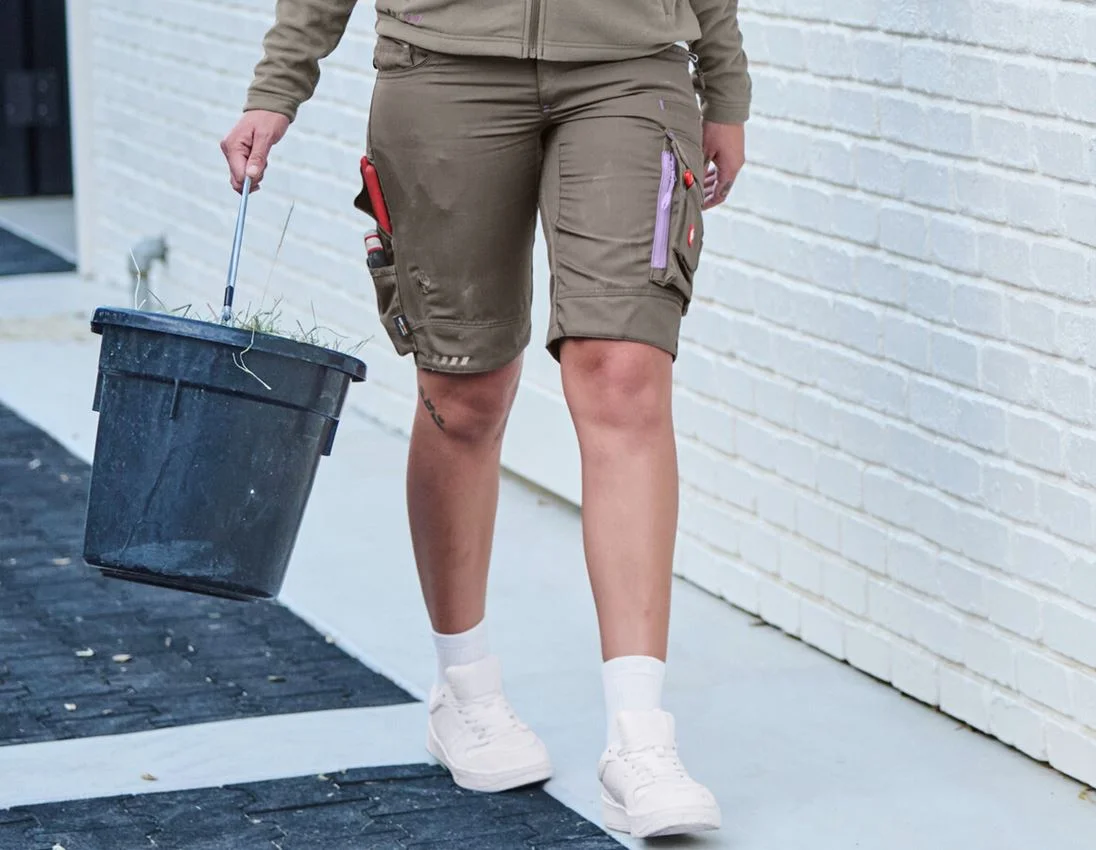
Smart safety shoes have evolved to offer advanced protection and modern features for contemporary workplaces. Designed to meet rigorous safety standards, they now also provide improved comfort, flexibility, and practical style. With the principle of combining style and function at the forefront, these innovations help ensure that both men and women are equipped for the demands of today’s varied work environments.
In fast-paced work settings, reliable footwear is essential for maintaining safety and productivity. Whether on construction sites, in warehouses, or tackling DIY projects at home, workers rely on their footwear for physical protection. Many workers now look for footwear that combines innovative materials, functional design, and extended comfort during long shifts. The latest safety shoes for men and women go beyond simple protection, offering lightweight work trainers that combine style and functionality, and improved adaptability to a range of tasks and conditions.
How have smart safety shoes changed workplace protection?
Smart safety shoes today incorporate technologies that go well beyond basic toe protection. S3 protection class models, for instance, are made with reinforced materials, slip-resistant outsoles, and water-repellent finishes suitable for heavy-duty environments. These advancements meet rigorous occupational standards while helping to reduce the risk of slips, punctures, and impact injuries in demanding work environments.
Comfort now plays just as important a role as protection in modern safety footwear. The inclusion of ergonomic footbeds, responsive cushioning, and flexible soles supports long-lasting comfort. Features such as wider fits and softer linings help prevent blisters and discomfort during long shifts. These improvements benefit men and women in physically demanding jobs as well as those who also tackle DIY projects at home.
What makes safety shoes “smart” in today’s workplaces?
True smart safety shoes integrate design and technology to address both safety and usability. Breathable materials and moisture-wicking linings keep feet cool, which is valuable for those experiencing busy working days or moving between different work settings. Lightweight work trainers with enhanced flexibility promote natural movement, supporting industry trends toward holistic foot health.
Increasingly, workers expect safety footwear to combine style with functionality, as visual appeal has become nearly as important as performance. Contemporary designs allow workers to seamlessly move from the job site to social or family activities without needing to change their footwear. This practical approach, present in many models from Strauss and other manufacturers, has broadened the appeal of safety shoes for men and women who value both smart protection and personal style. For roles requiring added reassurance, S3 protection class options can provide a dependable baseline for everyday jobsite risks.
Which features should you prioritize for optimal safety and comfort?
When selecting smart safety shoes, prioritize essential protective elements like reinforced toes, anti-slip soles, and the appropriately rated S3 protection class where required. These ensure compliance with workplace safety regulations and offer robust shielding against common hazards. Equally important are comfort features, such as cushioned midsoles and arch support, designed to provide lasting comfort during extended wear.
Fit and sizing play a crucial role in preventing common problems like foot pain or blisters. Shoes that cater to a variety of foot shapes and provide roomier toe boxes are better suited for demanding days. Additionally, features like breathable uppers and supportive foam inserts help improve temperature regulation and wearable comfort, which is especially useful for professionals and anyone taking on home improvement projects.
How do maintenance and long-term care influence protection?
Proper maintenance helps safety shoes retain their protective features and remain comfortable throughout daily use. Regular inspections can reveal worn soles, damaged uppers, or reduced cushioning before they become a safety risk. Keeping footwear clean and allowing it to dry thoroughly after use also helps preserve its performance.
While modern safety shoes are built to last, they should be replaced once signs of significant wear appear or when they no longer provide adequate support. Choosing updated models with improved materials and ergonomic features allows workers to benefit from ongoing innovations while maintaining the protection and comfort needed for demanding working environments.
*This is a collaborative post