
Nutrition for Kids: Guidelines for a Healthy Diet (Expert Guide for 2024)

Proper nutrition helps children maintain a healthy weight, supports their immune system, and provides the energy needed for their daily activities. A balanced diet also plays a significant role in cognitive development and academic performance. With so much conflicting information available, parents often find it challenging to make the best dietary choices for their kids. In this article, you will learn the basic nutritional needs of children at different age stages, the essential food groups they should consume, and practical tips for ensuring your kids get a balanced diet.
Basic Nutritional Needs of Children at Different Age Stages
Children’s nutritional needs vary significantly at different age stages due to their unique growth patterns and developmental requirements. Understanding these needs helps ensure they receive adequate nutrients for optimal health and development.
● Infants (0-12 months): During the first year, infants primarily rely on breast milk or formula for nutrition. These provide essential nutrients such as protein, fats, vitamins, and minerals necessary for rapid growth. Around six months, solid foods are introduced to complement milk feedings. Pureed fruits, vegetables, and iron-fortified cereals are good starting points.
● Toddlers (1-3 years): As children transition to solid foods, their diet should include a variety of fruits, vegetables, grains, proteins, and dairy. Toddlers require small, frequent meals and snacks because of their smaller stomachs and high energy needs. Important nutrients include calcium for bone development, iron for cognitive development, and healthy fats for brain growth.
● Preschoolers (4-5 years): At this stage, children need a balanced diet that includes all food groups. Emphasis should be placed on whole grains, lean proteins, fruits, and vegetables. Preschoolers are developing taste preferences, so it’s crucial to introduce a variety of healthy foods. Fiber becomes important for digestive health, and regular physical activity should be encouraged alongside proper nutrition.
● School-age children (6-12 years): With increased physical activity and cognitive demands, school-age children need a diet rich in complex carbohydrates for energy, proteins for growth, and vitamins and minerals for overall health. Regular meals and healthy snacks help maintain their energy levels throughout the day. Encouraging water consumption over sugary drinks is essential.
● Adolescents (13-18 years): Adolescence is a period of rapid growth and development, requiring increased calorie and nutrient intake. Calcium and vitamin D are vital for bone growth, while iron is crucial, especially for menstruating girls. Adolescents should consume a balanced diet rich in lean proteins, whole grains, fruits, and vegetables, and they should be educated on making healthy food choices independently.
Essential Food Groups
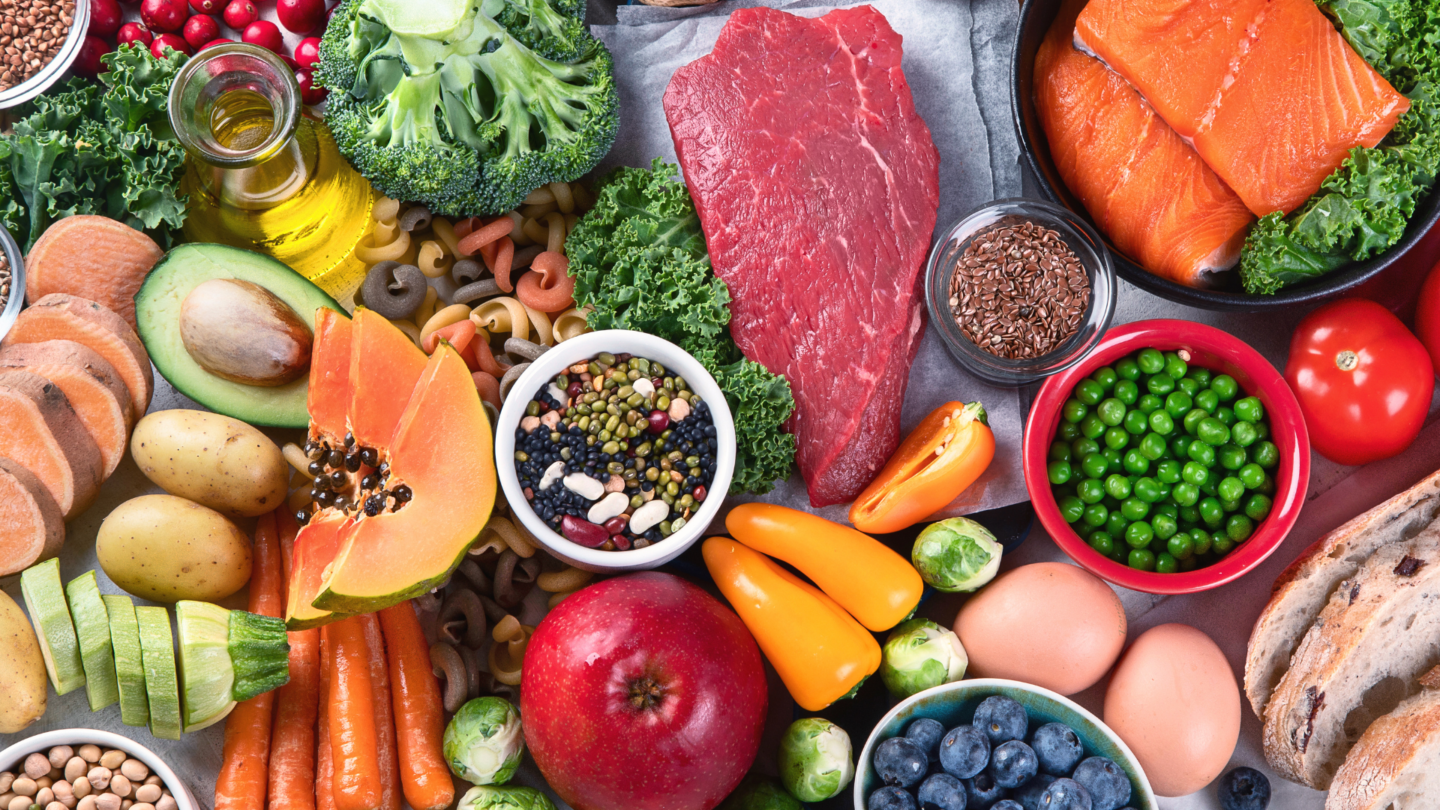
A balanced diet for children includes five essential food groups, each providing unique nutrients that contribute to overall health and development:
● Fruits: Fruits are rich in vitamins, minerals, and fiber. They support the immune system, aid digestion, and provide antioxidants. Fresh fruits like apples, bananas, berries, and oranges should be included daily. While fruit juices can offer some nutrients, whole fruits are preferred due to their fiber content.
● Vegetables: Vegetables provide essential vitamins, minerals, and fiber, and should make up a significant portion of a child’s diet. Aim for a variety of colors and types, such as leafy greens (spinach, kale), cruciferous vegetables (broccoli, cauliflower), and root vegetables (carrots, sweet potatoes). Vegetables support healthy digestion, vision, and overall development.
● Grains: Whole grains are an excellent source of energy and provide fiber, B vitamins, and important minerals like iron and magnesium. Examples include whole wheat bread, brown rice, oatmeal, and quinoa. Whole grains support sustained energy levels, digestive health, and cognitive function.
● Proteins: Proteins are crucial for growth, muscle development, and repair. Include a variety of protein sources such as lean meats (chicken, turkey), fish, eggs, beans, lentils, and nuts. Dairy products like milk, cheese, and yogurt also provide high-quality protein and are good sources of calcium and vitamin D.
● Dairy: Dairy products are essential for providing calcium, vitamin D, and protein, which are important for bone health and growth. Children should consume milk, cheese, yogurt, or fortified plant-based alternatives (such as almond or soy milk) daily. These nutrients are particularly crucial during periods of rapid growth in childhood and adolescence.
Healthy High-Calorie Foods for Underweight Kids
For underweight kids, it’s important to provide nutrient-dense foods that offer plenty of calories without compromising on essential vitamins and minerals. Nutrition at WINIT Clinic confirms that including a variety of healthy high-calorie foods can help underweight children healthily gain weight.
● Nut Butters: Peanut butter, almond butter, and other nut kinds of butter are rich in healthy fats, protein, and calories. Spread them on whole-grain bread, add them to smoothies, or use them as a dip for fruits and vegetables.
● Avocados: Avocados are packed with healthy fats and calories. They can be added to sandwiches, salads, or mashed into a spread. Avocado also provides fiber and essential vitamins like vitamin E and potassium.
● Cheese: Cheese is an excellent source of protein, calcium, and fat. Add cheese to sandwiches, crackers, or as a topping for vegetables and main dishes to boost calorie intake.
● Whole Milk and Yogurt: Full-fat dairy products like whole milk and yogurt provide essential fats, proteins, and calories. Yogurt can be mixed with fruits and granola for a nutritious snack, and whole milk can be used in cereals or smoothies.
● Nuts and Seeds: Nuts and seeds are energy-dense and full of healthy fats and protein. Offer nuts as a snack, or incorporate seeds like chia or flax into smoothies, yogurt, or baked goods.
● Lean Meats: Lean meats like chicken, turkey, and lean cuts of beef provide high-quality protein and calories. These can be included in various meals such as sandwiches, salads, or as part of a main dish.
● Dried Fruits: Dried fruits like raisins, apricots, and dates are calorie-dense and provide vitamins, minerals, and fiber. They can be eaten alone or added to cereals, yogurt, or baked goods.
Dealing with Picky Eaters

Dealing with picky eaters can be challenging, but with patience and creativity, parents can encourage their children to try new foods and develop healthy eating habits.
● Offer Variety: Present a variety of foods in different textures, colors, and flavors. Sometimes, a child may reject food in one form but accept it in another. For example, if a child dislikes steamed broccoli, try roasting it for a different texture and taste.
● Set a Positive Example: Children often mimic their parents’ eating habits. Eat a variety of healthy foods and show enthusiasm for trying new things. This can encourage children to do the same.
● Make Mealtime Enjoyable: Create a positive mealtime atmosphere without pressure or stress. Avoid forcing children to eat certain foods or punishing them for not eating. Instead, offer gentle encouragement and praise for trying new foods.
● Be Patient and Persistent: It can take several exposures to a new food before a child is willing to try it. Continue to offer new foods without pressuring the child, and eventually, they may become more accepting.
A Week of Easy Kids Meal Ideas
Planning a week of meals for kids doesn’t have to be complicated. Here are simple and nutritious meal ideas to keep children satisfied and healthy:
Monday
Breakfast: Oatmeal with fresh berries and a drizzle of honey.
Lunch: Turkey and cheese wrap with carrot sticks.
Dinner: Grilled chicken with quinoa and steamed broccoli.
Tuesday
Breakfast: Greek yogurt with granola and sliced bananas.
Lunch: Whole grain pasta salad with cherry tomatoes, cucumbers, and feta cheese.
Dinner: Baked salmon with brown rice and green beans.
Wednesday
Breakfast: Smoothie made with spinach, pineapple, and almond milk.
Lunch: Hummus and veggie pita pockets with apple slices.
Dinner: Beef stir-fry with mixed vegetables and whole grain rice.
Thursday
Breakfast: Whole grain pancakes with maple syrup and blueberries.
Lunch: Chicken Caesar salad with whole grain croutons.
Dinner: Spaghetti with marinara sauce and a side of mixed greens.
Friday
Breakfast: Scrambled eggs with whole grain toast and orange slices.
Lunch: Tuna salad sandwich with cucumber slices.
Dinner: Homemade pizza with whole grain crust, mozzarella, and assorted veggies.
Saturday
Breakfast: Smoothie bowl topped with granola and fresh fruit.
Lunch: Cheese quesadilla with salsa and avocado slices.
Dinner: Baked chicken tenders with sweet potato fries and a side salad.
Sunday
Breakfast: Whole grain waffles with peanut butter and sliced strawberries.
Lunch: Lentil soup with a side of whole grain bread.
Dinner: Turkey meatballs with whole grain spaghetti and marinara sauce.
Best Effective Ways to Manage Junk Food for Kids
Managing junk food intake is crucial for maintaining a healthy diet for children. Here are effective strategies to help reduce junk food consumption:
● Set Clear Limits: Establish clear guidelines about how often and how much junk food is allowed. For example, limit junk food to special occasions or specific days of the week.
● Stock Healthy Snacks: Keep a variety of healthy snacks readily available, such as fruits, vegetables, yogurt, nuts, and whole grain crackers. Having nutritious options on hand makes it easier for kids to choose healthier snacks.
● Educate Kids: Teach children about the benefits of healthy eating and the negative effects of junk food. Use simple language and fun activities to explain how different foods affect their bodies.
● Create Healthy Alternatives: Find healthier versions of your kids’ favorite junk foods. For example, make homemade baked potato chips instead of buying fried ones, or prepare fruit smoothies instead of sugary sodas.
● Reward with Non-Food Items: Use non-food rewards for good behavior or achievements. Instead of offering candy or treats, reward children with stickers, extra playtime, or a fun outing.
The Bottom Line
Providing children with a balanced and nutritious diet is essential for their growth, development, and overall well-being. Focus on incorporating a variety of foods from all essential food groups and ensure they meet the specific nutritional needs of their age. Address challenges such as picky eating and managing junk food with patience and creativity. By doing so, you can foster healthy eating habits that will benefit your children throughout their lives.
*This is a collaborative post