
Is Your Medicine Cabinet Safe For Kids?
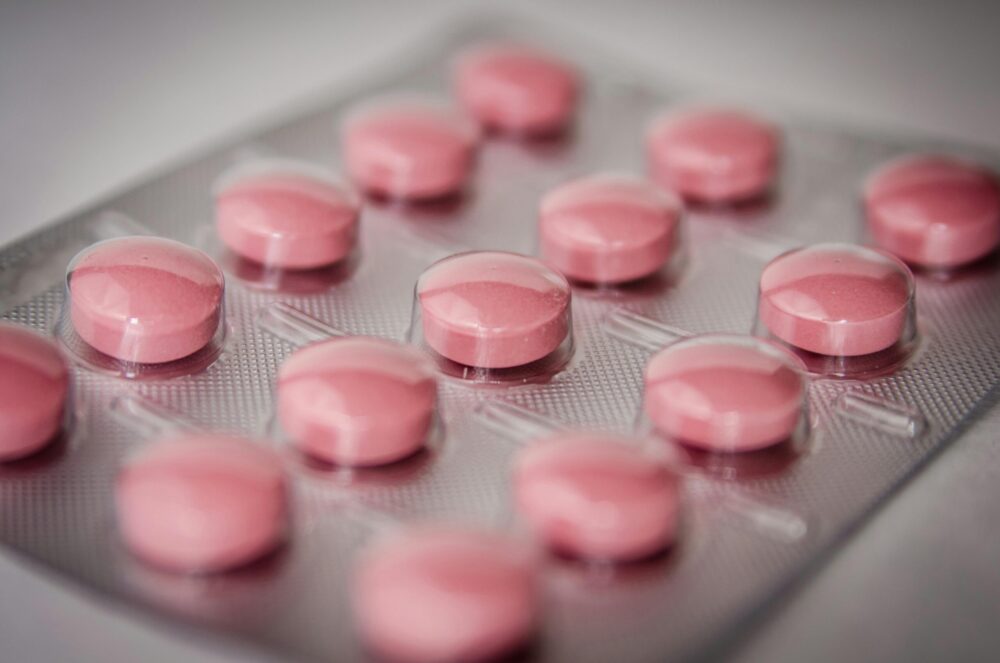
A home should be a safe haven, but hidden dangers can lurk in the most unexpected places. One of the biggest culprits? The medicine cabinet. For families with young children, what holds remedies for adults can pose a serious risk to curious little ones.
Keeping medicines out of the wrong hands is a crucial part of home safety. Children, especially toddlers, explore the world with their hands and mouths. A colourful pill or a sweet-tasting syrup can look just like a treat to them. This guide will walk you through practical and simple steps to secure your medicines and keep your family safe.
Why Medicine Safety Matters
It’s easy to underestimate a child’s ability to get into things they shouldn’t. A moment’s distraction is all it takes for a curious toddler to open a bottle or a packet of pills. Even common over-the-counter medicines like painkillers or cough syrups can be harmful if taken by a small child in the wrong dose.
Making your home child-safe goes beyond socket covers and stair gates. Thinking about where and how you store medicines is just as important. By creating safe habits now, you can protect your children from accidental poisoning and ensure that medicines are only used as intended.
Simple Steps to a Safer Medicine Cabinet
Securing your medicines doesn’t have to be a complicated or expensive task. It’s all about creating simple, consistent habits. Here’s how to get started.
Choose a High and Hidden Spot
The golden rule of medicine storage is “out of sight, out of mind.” A high shelf in a kitchen cupboard or a locked cabinet in a utility room is a much better choice than a bathroom cabinet. Bathrooms are often accessible to children, and the warmth and steam can damage medicines anyway.
Think about places your child can’t easily reach, even if they use a chair to climb. A lockable box is a great option and can be stored on any high shelf.
Keep Medicines in Original Packaging
It might be tempting to use pill organisers to manage weekly doses, but it’s safest to keep all medicines in their original containers. Original packaging provides vital information, including the expiry date, dosage instructions, and a clear description of what the medicine is.
Modern packaging often includes safety features, such as child resistant packaging or child resistant bottles, which add an extra layer of protection. These are designed to be difficult for small children to open, giving you precious time to intervene.
Don’t Call Medicine ‘Sweets’
When trying to get a reluctant child to take their medicine, it can be tempting to call it “sweets” or “juice.” This can be confusing and dangerous. Children may not understand the difference and might try to find the “sweets” on their own later.
Always be clear that medicine is medicine, and it should only be given by a trusted adult. Explaining that it helps them feel better is a good approach, without making it seem like a treat.
Safely Dispose of Old Medicines
A regular clear-out of your medicine cabinet is essential. Expired or unused medicines can be just as dangerous as current ones. Check the expiry dates on all your products at least once every six months.
Don’t just throw old medicines in the bin or flush them down the toilet. Many pharmacies offer a free service to dispose of unwanted medicines safely. This prevents them from falling into the wrong hands or harming the environment.
Be Mindful When You Have Visitors
Your home might be a fortress of safety, but what about when guests come to stay? Visitors, especially older relatives, might not be used to having small children around. They may leave their medicines in a handbag on the floor or on a low bedside table.
When you have guests, have a friendly chat and ask them to keep their medications in a safe, high-up place during their stay. It’s a simple conversation that can prevent a serious accident.
Build Your Safe Space
Keeping children safe is a top priority, and securing your medicine cabinet is a straightforward way to protect them from harm. By storing medicines up high, keeping them in their original containers, and disposing of old ones properly, you create a safer environment for your entire family.
These small, consistent habits can make a huge difference, offering peace of mind and ensuring your home remains the safe, nurturing space it should be.
*This is a collaborate post