
How to Optimize Airflow with a Small Fan
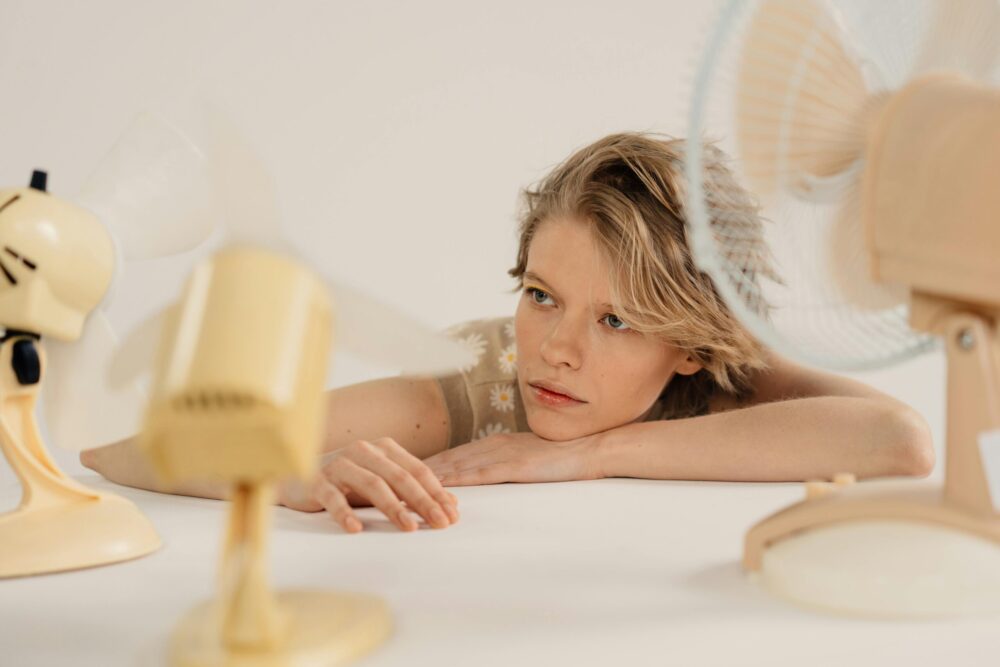
Especially if you have rooms where the cost of running larger fans or air conditioning units does not make sense, a small fan can be pretty handy in terms of moving air around and keeping things cool. Small and mighty, small fans are more effective (if properly used) than their size might suggest. Yet keep in mind that directing airflow with a fan needs to be done properly using the correct placement, understanding the room you are trying to cool, and some tips. To get the most out of your small fan cooling power, follow several methods we will provide for you in this article.
Proper Placement for Maximum Effect
One of the keystones in optimizing airflow is simply the location of a small fan. Where you place the fan will directly determine how well it moves air and cools. For example, if you want to cool the area around a workspace, bedroom, or living room, then position the fan so that it blows on your desired location. Positioning the fan slightly angled and directing it at a person or another direction where air sits still, will allow to more equally disperse airflow.
Position it near the window if you are in a larger area or with others In colder parts of the day or evening it is still able to move cool air from outside and circulate it around the room. Switching the fan to blow warm air out may lead to a cross-ventilation effect, especially in warmer conditions, drawing cooler air from other parts of the house into that room. This simple solution helps milk the most out of a small fan without adding cooling equipment.
Use Oscillation for Better Distribution
Most small fans have oscillation, which means the fan head will move to either side distributing air over a larger area. This is a great feature if you are trying to cool a bigger area or get airflow to circulate across a couple of bodies. Having it oscillate prevents the fan from being restricted to blow in one direction which can be undependably cool and impede comfort. Simply letting the fan move will provide better air circulation in the room making it feel cooler as a whole.
Your small fan may not have an oscillation feature, if this is the case you can move it around every so often to make sure air is being circulated throughout the room. While it is not as user-friendly and bonus automatic oscillation, at least airflow distribution will be improved.
Maximize Air Circulation with Fans in Tandem
A small fan can also be paired with other fans to boost air circulation. This is especially good in big rooms, where a single fan would struggle to cool it down well. Two Small Fans- Have one fan suck air into the room and another push it out, which will increase overall ventilation.
In this setup, one fan can be placed near a window to draw in fresh air from outside, while the other fan is placed on the opposite side of the room to push warm air out. This creates a natural breeze and helps reduce stuffiness, even in rooms with poor ventilation. Alternatively, two small fans positioned in different corners of the room can be used to circulate air in all directions, enhancing comfort in a hot, enclosed area.
Adjust Speed Settings for Efficiency
Most small fans come with multiple speed settings, allowing you to adjust the intensity of the airflow based on your needs. For optimal cooling, it’s essential to choose the right speed setting for the environment. On particularly hot days, using a higher setting will provide stronger airflow and more effective cooling. However, in cooler conditions or smaller spaces, a lower setting may be more appropriate, as it still moves air without creating an overwhelming breeze.
Using lower speeds in the evening or when temperatures drop can also save energy while maintaining comfortable airflow. Many small fans consume minimal electricity, but adjusting speed settings based on the time of day and temperature can further reduce energy consumption while still keeping the room comfortable.
Combine with Other Cooling Methods
To further optimize airflow and enhance cooling, consider combining your small fan with other cooling methods. For instance, pairing a fan with an open window or door can enhance air circulation by creating a cross-breeze. This method is especially effective in the morning or evening when outdoor temperatures are cooler.
Using a small fan in conjunction with a dehumidifier can also improve comfort in humid environments. High humidity levels can make a room feel hotter, but by reducing humidity and using a small fan to move air, you can achieve a more pleasant indoor climate. Similarly, placing a bowl of ice or a cold, damp cloth in front of the fan can create a cooler breeze as the fan circulates cold air throughout the room.
Keep Your Fan Clean for Optimal Performance
Maintaining your small fan will keep it running smoothly and steadily. Time dust and dirt reduce airflow efficiency, leading to the fan working unnecessarily hard. This will help them to cool properly and allow the desktop fan to work keeping it smooth.
Additionally, ensuring that the fan’s motor is in good working condition is important for longevity and performance. If the fan begins to make unusual noises or loses efficiency, it may be time to check the motor or seek professional assistance for repairs.
Overall, while small in size, a small fan can be productive with some expert tips and improves air circulation greatly. It all comes down to the direction of the fan and utilizing oscillation, speed settings, and in some cases other cooling methods that help you effectively direct airflow for your optimal comfort. This keeps your fan healthy so that it always works well and provides cooler air during the hot days.
*This is a collaborative post