
How to Help Children With Autism Build Life Skills
Children with autism often need extra support when learning how to handle everyday tasks. These tasks, also called life skills, help them become more independent as they grow. Learning how to get dressed, follow a routine, or ask for help can take time. With the right guidance and knowledge offered by this guide for parents of autistic children, these skills can become part of daily life. Patience and small steps make a big difference.
What Are Life Skills?
Life skills are the basic things people do every day. They include eating, bathing, brushing teeth, getting dressed, and talking with others. For many children with special needs like autism, these tasks can feel confusing or stressful. Some may avoid certain activities because they feel too loud, too fast, or too hard to understand.
For example, a child might avoid washing hands because the water feels too cold or the soap smells strong. Knowing what makes a task uncomfortable can help adults find better ways to teach it. Simple changes like warmer water or unscented soap can make a big difference.
Get Support From Professionals
Some autistic people benefit from speech therapy that focuses on learning and behavior. This type of support can make it easier to teach life skills in a way that fits the child’s needs. One common approach is to get ABA services or other services, which are often used to help children with autism build useful habits through step-by-step teaching.
These services are provided by trained therapists who work one-on-one with the autistic child. They break tasks into smaller parts and use positive reinforcement to encourage learning. Families often see progress when behavior therapy is done regularly at home, school, or in a clinic.
Create a Daily Routine
A regular routine can make children feel safe and prepared. Doing the same tasks every day builds comfort and confidence. Start with simple routines like morning steps—getting out of bed, using the bathroom, brushing teeth, and getting dressed.
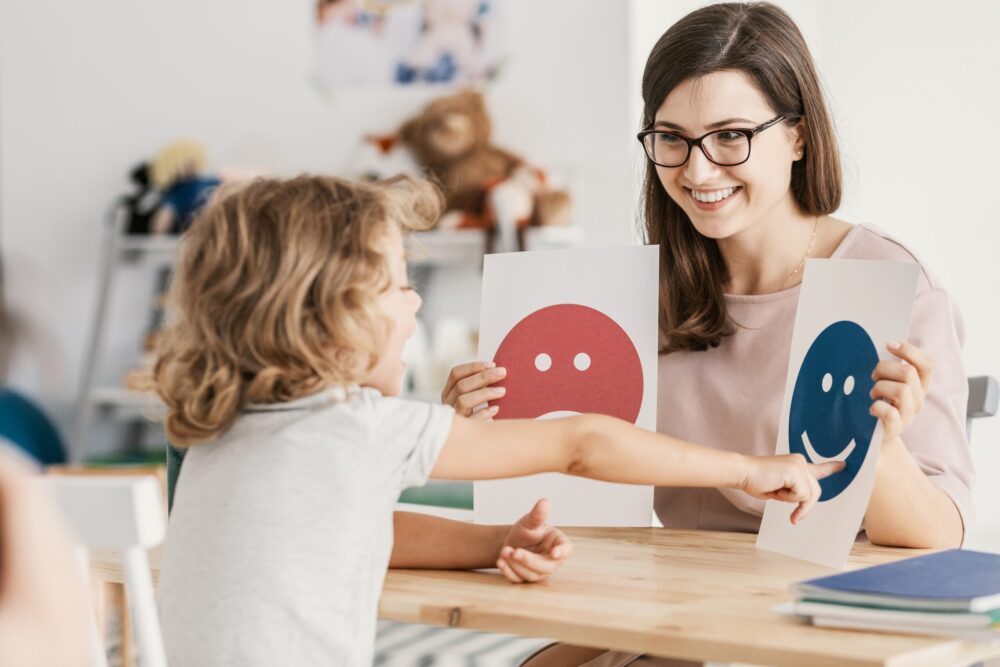
Using pictures or checklists can help children follow along. Some children understand things better when they can see what’s next. A chart with pictures of each step can help them move through the day with less stress.
Give Clear and Simple Instructions
Children with autism may have a hard time with vague directions. Saying things like “Get ready” might not be enough. It’s better to say exactly what needs to happen. For example, say, “Put on your socks and shoes” instead.
Showing how to do a task also helps. If the goal is to pack a lunch, walk through each step slowly. Show the child how to put a sandwich in a container or place snacks in a bag. Use both words and actions to explain. This gives them something clear to follow.
Focus on One Skill at a Time
Trying to teach too many physical skills at once can feel overwhelming. It’s better to choose one skill and work on it every day. Once that skill becomes easier, move to the next one.
If the child is learning to zip a jacket, give time to practice that one thing until they get better. Don’t rush to the next skill too soon. Taking it slow gives the child a better chance to succeed.
Support Independence Step by Step
Children feel proud when they can do things on their own. But they may still need some help at first. Adults can guide them without doing everything for them.
For example, during mealtime, the autistic child might pour their drink while an adult helps steady the cup. As they practice more, they can take on more parts of the task. Slowly letting go of support helps the child build confidence without feeling too much pressure.
Teach Communication and Social Skills
Life skills are not just about tasks—they also include how we talk and connect with others. People with autism may need help learning how to greet someone, take turns, or say how they feel.
Practice these social and communication skills through play. Role-playing can work well. Take turns pretending to order food at a pretend restaurant or greet a friend at school. Simple activities like these help build comfort with everyday social moments.
Pay Attention to Sensory Needs
Many children with autism experience the world in unique ways. Sounds, lights, smells, or textures may feel too strong or uncomfortable. These feelings can get in the way of learning life skills.
If an autistic child avoids certain clothes, the fabric might feel scratchy. Try softer materials. If brushing hair is upsetting, a different brush might help. Always look for clues in the child’s behavior. Finding small changes that reduce discomfort can make tasks easier to manage.
Make Learning Fun Through Play
Some children learn better when the pressure is low. Turning learning into play can keep them interested and relaxed. Play kitchen games to teach how to pour, stir, or serve. Use dolls or action figures to practice brushing hair or buttoning clothes.

Even a game of pretend shopping can teach real developmental skills like counting, taking turns, and packing items. When tasks are fun, children may want to try them more often.
Conclusion
Children with autism can build life skills with steady support, clear guidance, and lots of practice. Simple routines, direct instructions, and patience can go a long way. Paying attention to how they feel, what helps them stay calm, and how they like to learn makes a big difference. Skills learned through play, home routines, and real-life experiences can give them more independence. When children feel supported and understood, they have a better chance to grow into capable, confident individuals.
*This is a collaborative post