
How to Choose and Care for Statement Indoor Plants That Transform a Room
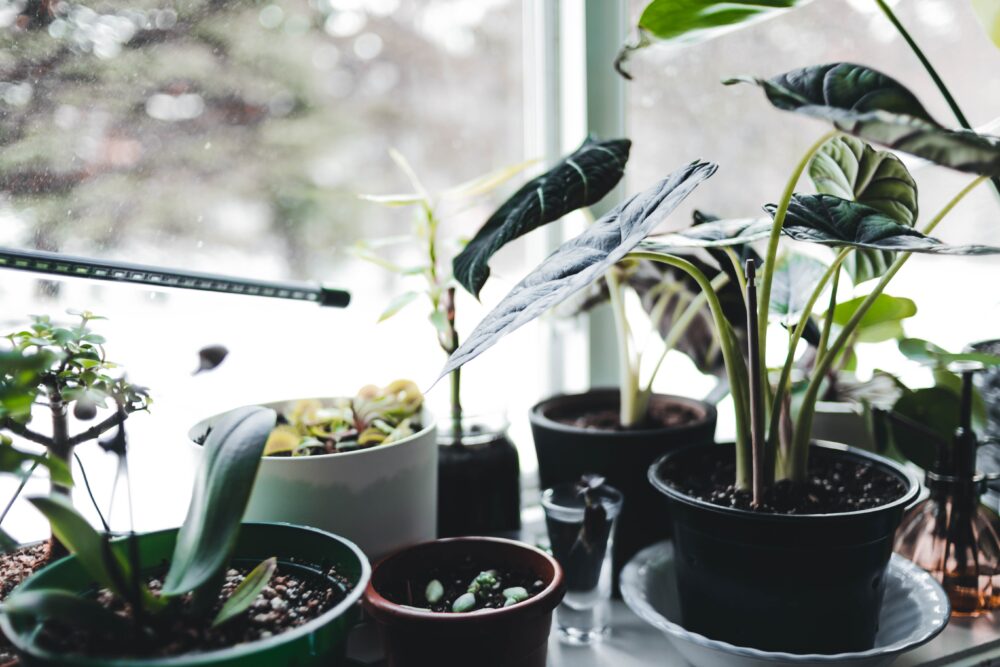
A few small pots on a windowsill bring a touch of life to a room, but they rarely change it. A single, well-chosen huge indoor plant, positioned with intention, functions like a living sculpture — a focal point that shifts the entire atmosphere of a space. One statement plant can transform a room more effectively than a complete decor overhaul. This guide draws on indoor gardening best practices and the real challenges plant owners encounter to help you select the right plant, place it thoughtfully, and keep it healthy and striking for years to come.
Understanding Statement Indoor Plants
What actually makes a plant a “statement” piece? It comes down to visual presence — not strictly height, but the interplay of scale, architectural shape, and distinctive foliage. A medium-tall plant with dramatic, oversized leaves can anchor a room just as powerfully as a towering indoor tree. Statement plants generally fall into a few broad categories:
Indoor trees with single trunks and an open canopy spread
Large-leaf tropicals with bold, sculptural foliage
Tall palms with graceful vertical lines
Vining plants trained up tall supports
Interior design principles — focal point, balance, and proportion — all apply here. Plants are simply living expressions of these same tools.
Matching Plant Size and Style to Your Space
Before settling on a plant, take an honest look at your room: ceiling height, available floor space, window proximity, and traffic flow all play a role. A towering plant in a low-ceilinged room can feel oppressive, while a small plant in a vast, open-plan space simply disappears into the background.
Quick Check
– How much floor space can I realistically dedicate?
– Will doors, walkways, or windows be obstructed?
– Is there a stable surface available if the plant needs a stand?
Style matters just as much as scale. Minimalist interiors suit clean-lined, single-trunk forms. Boho spaces welcome lush, layered textures. Modern rooms benefit from bold, vertical silhouettes. Matching your planter’s material and color to the room’s existing palette pulls the whole effect together.
Light, Temperature, and Placement
Most large tropical plants prefer bright indirect light — the kind that casts a soft, diffused shadow rather than a sharp one. A simple shadow test can help you gauge conditions without any special equipment: hold your hand near a surface and observe how defined the shadow appears.
Key Takeaway: The right light matters more than the right variety — even resilient plants will struggle when placed in unsuitable conditions.
Avoid positioning large plants directly over heating vents or beside radiators. Drafts and sudden temperature swings stress foliage quickly. For maximum design impact, try placing a tall plant slightly behind a sofa to create visual depth, or in a bare corner visible from the entrance so it frames the room the moment someone steps inside.
Selecting the Right Plant for Your Lifestyle
Be honest about your routine before committing to a plant. If you travel frequently or keep a demanding schedule, lower-maintenance varieties that tolerate irregular watering will serve you far better than thirsty tropicals. If pets or children share your home, toxicity becomes a non-negotiable consideration — always verify a plant’s safety with veterinary or poison-control resources before bringing it indoors. It’s also worth checking for sharp edges, irritating sap, and potential pollen sensitivity.
Essential Care for Long-Lived Statement Plants
Water deeply, then allow excess moisture to drain fully — large pots retain water longer than smaller ones, making overwatering the most common cause of decline. Rather than following a rigid schedule, use a simple finger test to check soil moisture before watering again.
Watch for signs that repotting is overdue: roots circling the soil surface or pushing out through drainage holes are reliable indicators. When you do repot, move up gradually rather than jumping to a much larger container, which can leave soil waterlogged and roots vulnerable. Regularly cleaning leaves of dust supports photosynthesis, and light pruning keeps growth at a manageable scale. Early warning signs of stress include drooping despite adequate watering, yellowing leaves, and noticeably stunted growth.
Real-World Placement Ideas
In a small apartment with limited natural light, a medium-height plant with a slim profile works well — positioning a mirror nearby can amplify whatever light is available. In a larger living room with high ceilings, pairing one tall plant with a medium companion creates layered, natural height that feels intentional rather than accidental. For a home office, a plant visible on video calls but kept outside your primary movement path adds presence without becoming an obstacle.
Try This: Place your largest plant in a bare corner visible from the entrance — it creates an immediate focal point that shapes how the entire room is perceived from the moment someone walks in.
Bringing It All Together
Choosing a statement plant means weighing your space, light conditions, and lifestyle together — no single factor tells the whole story. Treat your plant as both a design element and a living organism that responds to its environment and the care it receives over time.
“The best statement plant is not only impressive on day one, but still thriving in your space years from now.”
Pay attention to how your plant responds, adjust your care approach as needed, and consult reliable horticultural references for species-specific guidance. A good place to start: identify one corner or wall that feels visually incomplete — that is often precisely where a well-chosen statement plant belongs.
*This is a collaborative post