
How Long Can Breast Milk Be Stored? A Guide to Safe Storage and Handling

As a breastfeeding mom, you’re already doing an amazing job nourishing your little one with the best possible start in life. But sometimes, life can get busy, which means you’ll need to express milk ahead of time or store it for later use. Whether you’re heading back to work, need to supplement feedings, or just want a break, knowing how to safely store and handle breast milk is important. The good news is that with proper storage and handling, breast milk can be a valuable resource for your baby’s nutrition, even when you’re not there to nurse in person.
In this guide, we’ll walk you through the safe storage and handling of breast milk, so you can have peace of mind knowing your baby is receiving the best possible nutrition.
Understanding the Importance of Proper Storage
Breast milk is a biological fluid that can spoil if not stored correctly, making it a breeding ground for bacteria and other contaminants, causing illness in your baby. But by using clean and sterile equipment, like milk storage bags, and following proper storage techniques, you can keep your breast milk fresh and healthy for your little one.
How Long Can Breast Milk Be Stored at Room Temperature?
If you plan to use the expressed breast milk within the next few hours, you can store it at room temperature (up to 25°C or 77°F). However, it’s crucial to remember that breast milk should never be left out for more than 4 hours. Any longer than that, and the milk may become contaminated or lose its nutritional value.
So, when stored at room temperature, breast milk can be safely stored for:
- 6-8 hours if it’s freshly expressed
- 3-4 hours if it’s previously been refrigerated or frozen
Note that these time frames are general guidelines, and the actual storage time may vary depending on factors like the cleanliness of the expression equipment, the storage container, and the ambient temperature.
How Long Can Breast Milk Be Stored in the Refrigerator?
Most mums find refrigerator storage to be the most convenient option and an excellent way to prolong the shelf life of breast milk. When stored in the refrigerator at a temperature of 4°C or 39°F, breast milk can be safely stored for:
- 3-5 days if it’s freshly expressed
- 24 hours if it’s previously been frozen
Remember to always check the milk for any signs of spoilage after taking it out of the refrigerator, such as an off smell or unusual colour. If in doubt, it’s always best to err on the side of caution and discard the milk.
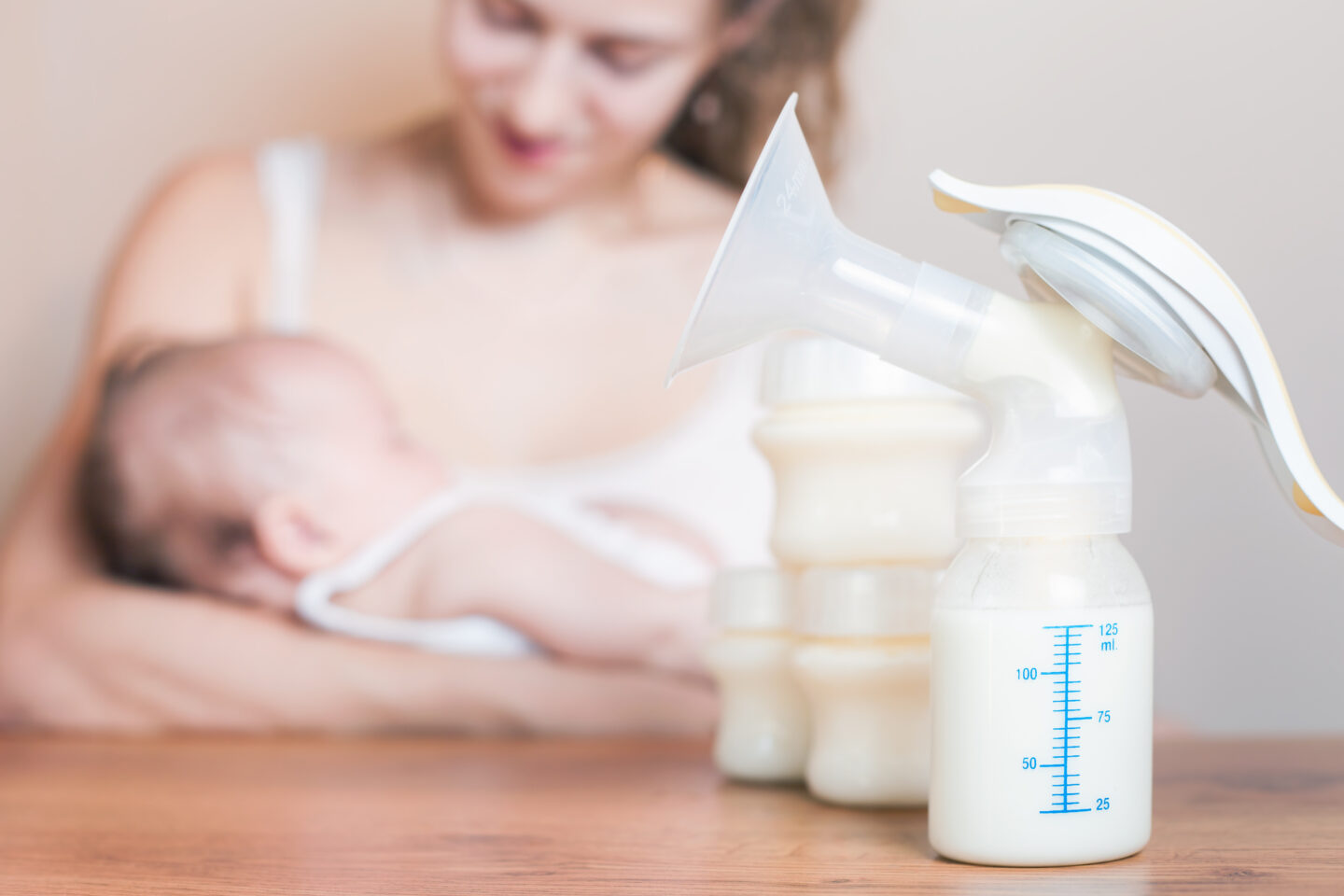
How Long Can Breast Milk Be Stored in the Deep Freezer?
Deep freezing is your best bet if you need to store breast milk for an extended period, such as a couple of months or more. When stored in the freezer at a temperature of -18°C or 0°F, breast milk can be safely stored for:
- 6-12 months when freshly expressed
- 3-6 months if it’s previously been refrigerated
When storing your breast milk in the freezer, label and date each container or bag. It’s also best to organize them by expiration date to ensure you use the oldest milk first.
Thawing and Re-Using Frozen Breast Milk
When it’s time to use the stored or refrigerated breast milk, it’s crucial to thaw and warm it properly to preserve its nutritional value and prevent bacterial growth. The safest way to thaw frozen breast milk is by placing it in the refrigerator overnight or holding the container under warm running water. As much as possible, avoid heating breast milk in the microwave, as this can create hot spots and destroy valuable nutrients.
Once thawed, use the breast milk within 24 hours and avoid refreezing it. If you need to warm the milk before feeding, set the container in a bowl of warm water for a few minutes, gently swirling the milk to evenly distribute the heat.
Handling and Storing Expressed Breast Milk
In addition to following the recommended breast milk storage guidelines, there are a few extra breast milk storage tips to ensure the safe handling of your breast milk:
Use clean and sterile equipment for expression and storage
First, you must wash your hands thoroughly before expressing milk. Then, make sure to sterilize all the equipment that comes into contact with breast milk (e.g., breast pump, containers, and milk storage bags).
Store containers in the coldest part of the refrigerator or freezer
Keep breast milk away from strong-smelling foods, particularly raw meat, as it can absorb odours easily. If you’re storing it in the fridge, store it at the back of the ice compartment, where the temperature is most consistent. And if you’re keeping it in the freezer, place it in a dedicated freezer bag or container to prevent cross-contamination.
Keep breast milk containers upright and tightly sealed.
Prevent spills and contamination by storing containers upright and ensuring lids are tightly closed. If you notice any signs of leakage or spoilage, discard the milk immediately.
Avoid storing breast milk in direct sunlight or near heat sources.
Heat and light can cause the milk to degrade, lose its nutritional value, and encourage bacteria growth. If you need to transport breast milk, use insulated breast milk storage bags, insulated cooler bags, or other insulated containers with ice packs to keep it cool and maintain the best quality.
With these simple guidelines and by practising safe handling techniques, you ensure that your stored breast milk remains fresh, nutritious, and safe for your baby to consume.
Takeaway
Breast milk is a precious gift for your baby regardless of how you feed it to them. Thus, proper storage and handling are crucial to maintain its nutritional value and prevent contamination. Remember to always prioritize safety and handle breast milk with care. If you have any further questions or concerns, consult your healthcare provider or a lactation consultant.
*This is a collaborative post