
How Can You Prevent Post-Swim Sniffles in Kids?
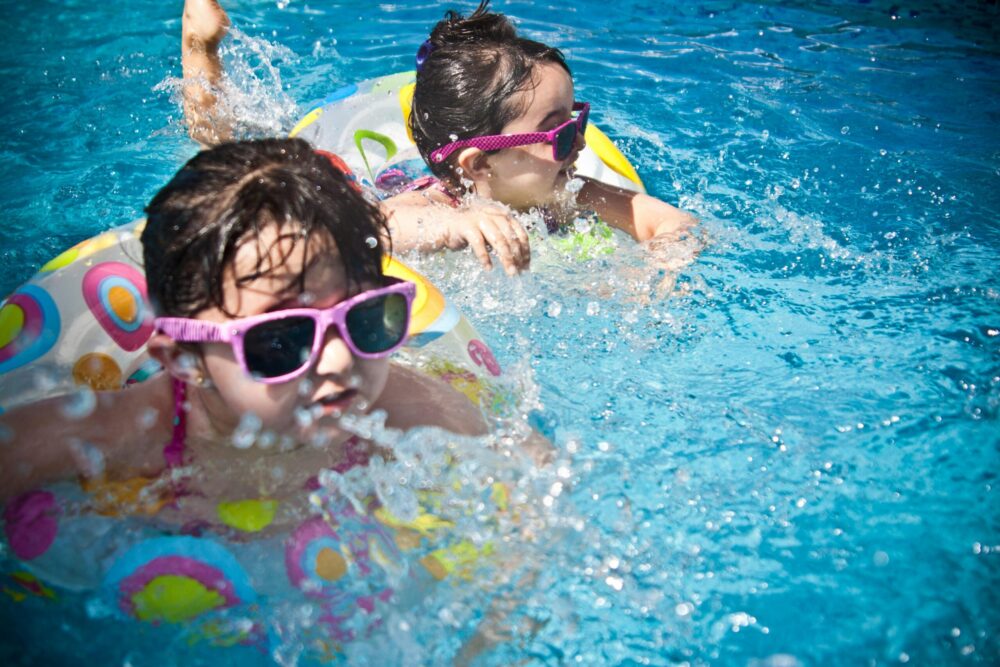
Swimming is a favorite activity for many families, especially in California where beach outings, pool days, and indoor swim lessons are common. However, post-swim sniffles—whether a stuffy or runny nose—can sometimes dampen the fun for children and parents alike. This guide, informed by experts from SwimRight Academy, aims to help parents understand why nasal issues often follow a swim and how to prevent or manage them effectively.
Why Do Kids Get Stuffy or Runny Noses After Swimming?
Nasal irritation after swimming is common, especially among children. It can be due to:
⦁ Water Entry: When water enters the nasal passages, it can cause a mild irritation, leading to either congestion (stuffy nose) or discharge (runny nose).
⦁ Chlorine and Pool Chemicals: Pools, especially public ones, use chlorine to maintain cleanliness. However, chlorine is a known irritant and can affect the sensitive lining of children’s nasal passages, triggering sniffles.
⦁ Cold Water Shock: In some cases, colder water can constrict blood vessels in the nasal area, causing a stuffy nose once children are out of the water.
⦁ Natural Sensitivity: Some children have naturally sensitive nasal passages, which react more to chlorine, salt, or even bacteria present in the water.
Common Symptoms of Post-Swim Nasal Irritation
Parents may notice these symptoms in children after a swim:
⦁ Runny nose
⦁ Congestion or stuffiness
⦁ Sneezing
⦁ Mild nasal discomfort
If symptoms are accompanied by other signs like itching, coughing, or red eyes, it could indicate sensitivity to pool chemicals or even allergies.
How to Prevent or Manage Sniffles After Swimming
Taking a few precautions before and after swimming can help keep kids’ nasal passages clear.
Pre-Swim Care
⦁ Use Saline Nasal Spray: Before swimming, try a gentle saline nasal spray. This helps moisten the nasal passages and may act as a barrier, reducing irritation from pool chemicals.
⦁ Apply a Nasal Balm: A thin layer of nasal moisturizing balm can protect the nasal passages from direct contact with pool water.
⦁ Hydration: Make sure your child drinks water before swimming. Hydrated nasal tissues are more resilient to irritants.
During the Swim
⦁ Encourage Pool Etiquette: Remind children not to swallow or inhale pool water, which often leads to nasal congestion.
⦁ Use Nose Clips if Needed: For kids who are particularly prone to nasal irritation, nose clips can prevent water from entering the nose altogether.
Post-Swim Care
⦁ Nasal Rinse: After swimming, use a saline spray or a gentle nasal rinse to clear out any remaining pool water. A neti pot can also be used with a mild saline solution.
⦁ Gentle Nasal Massage: A soft massage around the nose and sinuses can help loosen congestion.
⦁ Warm Towel on the Nose: Applying a warm, moist towel to the nasal area can ease any mild discomfort and encourage drainage.
⦁ Stay Hydrated: Continue to keep your child hydrated after swimming, as this will help maintain clear nasal passages.
Pre-Swim Tips During Swim Tips Post-Swim Tips
Use a saline nasal spray Encourage good etiquette Rinse nose with saline spray
Apply a nasal moisturizing balm Use nose clips if needed Gentle nasal massage
Hydrate adequately Apply warm towel on nose
Special Considerations for Pool vs. Ocean Swimming
The choice between pool and ocean swimming can also influence nasal health:
⦁ Pools: Chlorinated pools are a major cause of nasal irritation. Parents can choose pools with saltwater systems, which are often gentler on the nose.
⦁ Ocean: Saltwater in oceans can sometimes soothe nasal passages. However, ocean water isn’t always free of bacteria or irritants, especially near crowded beaches.
Allergies or Persistent Sniffles? When to Seek Help
If your child consistently has a runny nose, congestion, or other symptoms beyond swimming, it could be due to allergies or other sensitivities. Here are some signs to look out for:
⦁ Symptoms last beyond a day or two after swimming
⦁ Nasal congestion is accompanied by itchy or watery eyes
⦁ There is noticeable discomfort or signs of sinus pain
In these cases, an allergist can help identify specific triggers and recommend effective treatments, which may include antihistamines or nasal corticosteroids.
Practical Tips for Parents
⦁ Choose the Right Swim Spot: If pool chemicals are the main issue, consider exploring saltwater pools or natural bodies of water like lakes.
⦁ Maintain Hygiene: Ensure your child rinses off after swimming to remove any lingering chlorine or salt.
⦁ Check the Pool’s Chlorine Levels: When swimming at a public facility, it’s wise to check if chlorine levels are regularly monitored, as an excess can increase nasal irritation.
⦁ Adjust the Swimming Time: Try limiting your child’s time in the pool if they have sensitive nasal passages. Shorter swim times can sometimes lessen irritation.
Breathe Easy: Enjoy Swimming Without Sniffles
For families, swimming is a valuable and enjoyable activity, and with a few preventive steps, it’s easy to minimize post-swim sniffles for children. By adopting pre- and post-swim habits, parents can help children enjoy swimming without the after-effects of nasal congestion.
*This is a collaborative post