
Different Types of Heaters and Choosing the Right One
Choosing the right heater for your home is crucial for ensuring comfort during the colder months. With various options available, it’s important to understand the different types of heaters and their benefits to make an informed decision.
In this article, we will explore the most common types of heaters and provide guidance on selecting the best one for your needs. Whether you’re looking for energy efficiency, cost-effectiveness, or specific features, we’ve got you covered.
Types of Heaters
Electric Heaters
Electric heaters are a popular choice due to their convenience and ease of use. They come in various types, including convection heaters, radiant heaters, and fan heaters. Convection heaters warm the air in a room, making them ideal for larger spaces that require consistent heating. Radiant heaters, on the other hand, emit infrared radiation to heat objects and people directly, offering quick warmth in targeted areas. Fan heaters combine a heating element with a fan to distribute warm air rapidly, perfect for small rooms or personal use.
Electric heaters are generally affordable and easy to install, requiring only a power outlet. However, they can be expensive to run for extended periods, especially in larger spaces. Their efficiency can also vary, with some models consuming a significant amount of electricity.
Gas Heaters
Gas heaters are known for their powerful and efficient heating capabilities. They are available in two main types: flued and unflued heaters. Flued gas heaters have a venting system that expels combustion gases outside, making them suitable for larger rooms and continuous use. Unflued gas heaters, also known as portable gas heaters, do not require a flue and can be moved around as needed, but they do release some combustion gases into the room, necessitating proper ventilation.
Gas heaters are generally more cost-effective to run compared to electric heaters, particularly in homes with existing gas connections. They provide rapid and substantial warmth, making them ideal for colder climates. However, the installation of flued heaters can be more complex and costly, and there are safety considerations to keep in mind with unflued models.
Oil-Filled Heaters
Oil-filled heaters, also known as oil column heaters, use electricity to heat oil within the unit, which then radiates warmth into the room. These heaters are highly efficient for maintaining a steady temperature over longer periods. They are silent in operation and continue to emit heat even after being switched off, thanks to the thermal retention properties of the oil.
Oil-filled heaters are ideal for bedrooms and living rooms where quiet operation is preferred. They are also safer to use, as their surfaces do not become excessively hot, reducing the risk of burns. However, they can take longer to heat up compared to other types of heaters, and their size can be a consideration in smaller spaces.
Reverse Cycle Air Conditioners
Reverse cycle air conditioners are versatile units that can provide both heating and cooling, making them a year-round solution for climate control. These systems work by extracting heat from the outside air and transferring it indoors, even in cold weather conditions. They are highly energy-efficient, especially when compared to traditional electric heaters.
Reverse-cycle air conditioners are suitable for heating large areas and can be controlled with precision using thermostats and timers. Their initial installation cost can be high, but the long-term savings on energy bills often offset this expense. Additionally, they improve air quality by filtering out dust and allergens. However, they do require regular maintenance to ensure optimal performance.
Wood Heaters
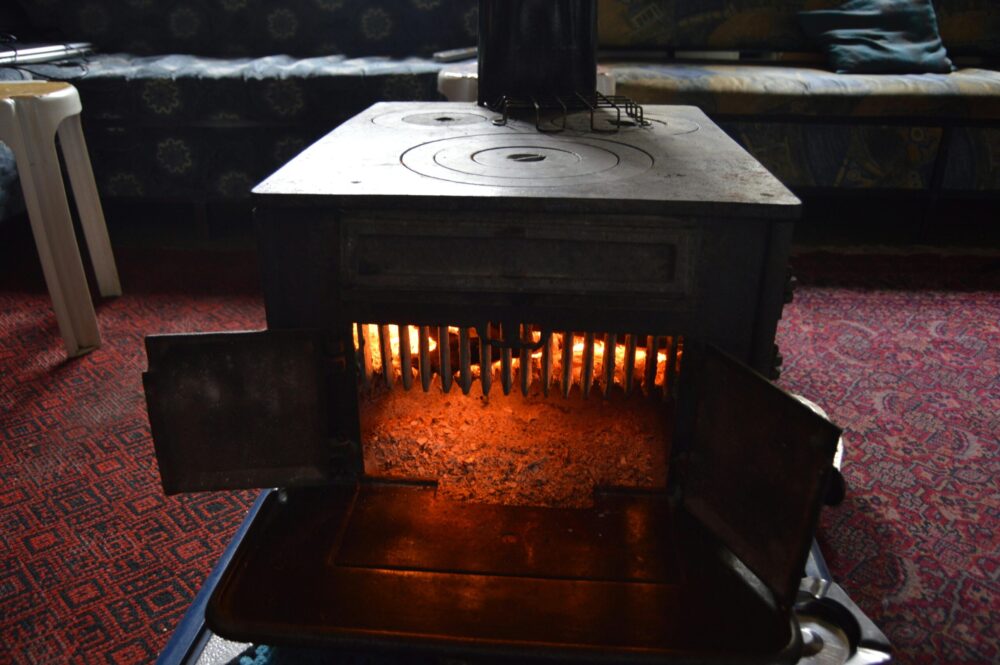
Wood heaters, including traditional wood stoves and modern pellet stoves, provide a rustic and effective heating solution. Traditional wood stoves burn logs, offering a cozy and ambient heat source, while pellet stoves use compressed wood pellets, which are cleaner and more efficient.
Wood heaters are excellent for those who have access to a supply of wood and enjoy the aesthetic appeal of a real fire. They can significantly reduce heating costs, particularly in rural areas. However, they require more maintenance, such as regular cleaning and chimney inspections, and can produce smoke and ash, impacting indoor air quality.
This section provides a comprehensive overview of the various types of heaters available for residential use, highlighting their unique features, benefits, and potential drawbacks to help you make an informed decision.
Factors to Consider When Choosing a Heater
When selecting a heater for your home, room size and layout are crucial factors. A heater that is too small will struggle to warm a large room, while an oversized unit may waste energy. Measure your space and choose a heater with the appropriate capacity to ensure efficient and effective heating.
Energy efficiency is another important consideration. Look for heaters with high energy ratings, which indicate better performance and lower running costs. Energy-efficient models may have a higher initial cost but can save you money in the long term through reduced energy consumption.
The cost of installation and running costs should also be factored into your decision. While some heaters, like electric models, are inexpensive to install, others, such as gas or reverse cycle air conditioners, may have higher installation costs. Consider your budget and weigh the initial investment against ongoing operational expenses.
Lastly, consider the environmental impact and safety features of the heater. Opt for models with low emissions and environmentally friendly certifications. Safety features such as tip-over protection, automatic shut-off, and cool-to-touch surfaces are essential, especially in homes with children or pets. Additionally, maintenance tasks like cleaning a wall furnace should be considered to ensure both efficiency and safety. These features ensure not only efficient heating but also peace of mind.
Recommendations for Different Home Settings
For small spaces, electric heaters such as fan heaters or oil-filled heaters are ideal due to their portability and ease of use. They provide quick, targeted warmth without taking up much space, making them perfect for bedrooms or small living areas.
In larger living areas, reverse cycle air conditioners or flued gas heaters are recommended for their powerful and efficient heating capabilities. These options ensure consistent warmth throughout the space and can be cost-effective in the long run. For eco-friendly homes, wood heaters using sustainably sourced wood or pellet stoves offer a renewable heating solution with minimal environmental impact.
Choose the Right Heater for Your Home Today!
Choosing the right heater for your home is essential for comfort and efficiency. By understanding the various types of heaters and considering factors such as room size, energy efficiency, cost, and safety, you can make an informed decision that suits your specific needs.
Remember to evaluate your home’s unique requirements and preferences before making a purchase. With the right heater, you can enjoy a warm and cosy home throughout the colder months while keeping energy consumption and costs in check.
*This is a collaborative post