
Creative Ways to Display Family Photos and Kids’ Artwork Without Cluttering Your Walls
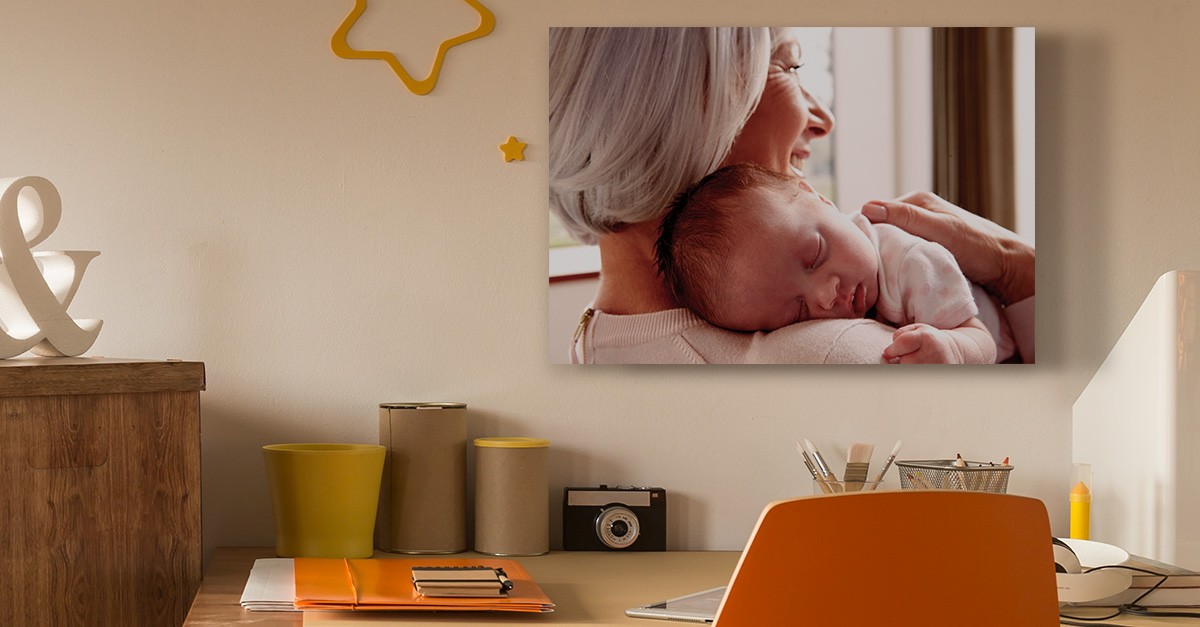
Family photos and children’s drawings deserve better than a forgotten folder, but hanging everything at once can overwhelm a room fast. You don’t have to choose between bare walls and total chaos. A small, carefully chosen collection usually feels more personal than dozens of pieces fighting for attention.
Give each type of work its own clear place, pick formats that are easy to update, and store the rest safely until it’s their turn.
Choose a few pieces to anchor the display
Start with whichever photographs and drawings mean the most to your family: a favourite portrait, a memorable holiday shot, or a painting your child was particularly proud of. Let everything else support that focal point rather than compete with it.
Larger family photographs work well as anchors since they create real impact without a wall full of separate frames. When comparing the best canvas prints, pick an image with enough resolution to stay sharp once enlarged. Simple compositions tend to hold up better at this size than busy group shots with important details near the edges.
Keep the display to one section of the room rather than letting pictures creep across every surface. Keeping the collection within a defined area makes it feel intentional and leaves the rest of the room some space to breathe.
Create a display that can change easily
Kids produce new artwork faster than most of us can keep up with, let alone frame. A rotating display lets whatever’s newest and best take center stage without the wall turning into permanent storage.
A shelf-style picture ledge is a good option here. Frames simply lean against it instead of being fixed one by one, so swapping things around takes moments. A shallow ledge also lets photos, small canvases, and kids’ drawings overlap slightly without looking messy.
Clipboards, wooden trouser hangers, magnetic poster rails, and wire-and-clip systems give even more room to move. These suit playrooms, kitchens, or kids’ bedrooms best—anywhere the display changes often. Sticking to matching clips or boards keeps a mixed collection feeling pulled together rather than random.
Prefer something a bit more traditional? Think about how the display will sit alongside the room’s overall style. This guide to choosing a timeless home decorating style can help you put together a photo wall that complements the space instead of competing with it.
Turn several small pieces into one display
Not every drawing needs its own frame, and most don’t. Photograph or scan a group of smaller works and combine them into a single collage, keeping the colours and handwritten details while using a fraction of the wall space.
A collage like this could bring together a school year’s worth of artwork, photos from one trip, or a mix of both. Printing it as a single larger piece through CANVASDISCOUNT, printed in the USA and shipped directly to your door, gives the collection a more cohesive look than hanging lots of small items separately
You could also group several original drawings inside one oversized frame. Keep the backing neutral so the artwork stays the focus, and leave enough room between pieces so it doesn’t feel crowded.
Give the collection a consistent visual thread
Family photos and kids’ art rarely share the same colours or proportions, which is fine, but repeating just one design element goes a long way toward tying everything together.
That element might be a single frame colour, matching mounts, or a limited palette. Black, white, or natural wood frames can calm down a colourful collection without making it feel stiff. For an eclectic look, mix frame styles but keep the finishes within the same colour family.
Spacing matters too. Even a relaxed display looks more deliberate once the gaps between pieces follow some kind of rhythm. It’s worth laying everything out on the floor, or testing paper templates on the wall, before committing to making any holes.
Rotate artwork instead of adding more
If you’re struggling to keep the display manageable, try a simple one-in, one-out rule. Each time a new piece goes up, move an older one into storage, and let your kids help decide what stays, what gets archived, and what gets recycled.
Store the originals flat in labelled folders or portfolio cases. Jotting the child’s name, age, and date on the back preserves details you’d otherwise forget. Photographing pieces before storing them also builds a digital record you can later turn into a photo book, calendar, or collage.
If a particular piece has real sentimental value, it’s worth displaying a reproduction and keeping the original tucked away. The Library of Congress notes that light exposure can contribute to fading, discolouration, and other irreversible changes in paper materials, so keeping treasured originals out of direct sunlight is a simple way to help preserve them.
Let children have a say
A family display should feel like a genuine part of the household, not a staged showroom. Let kids pick some pieces themselves, arrange things on a ledge, or make their own handwritten labels for favourites.
Giving them a defined area also sets a natural boundary. They still get the joy of seeing their work on display, and the collection stays manageable rather than sprawling everywhere.
The goal isn’t to preserve or exhibit everything. It’s to make room for the memories and creations that matter most right now. With a clear display zone, a simple rotation habit, and a few consistent design choices, family photos and kids’ artwork can add real warmth to a room without ever taking it over.
*This is a collaborative post