
8 Car Safety Tips For Driving A Car With Young Children Onboard
Every day millions of people get in their cars with their children and go on a journey. Whether they are doing the school run on a weekday or taking a road trip to visit grandparents on a Sunday afternoon, millions of families drive on Britain’s roads every day.
Driving safely is always important, but it is even more important when you have your kids in the car. There are a few extra steps that anyone can take to make sure everybody is safe on the road. Here are eight car safety tips for driving your car with young children onboard.
Drive A Car With A High Safety Rating
This may seem obvious, but not enough people look for a car’s safety rating when they are making the purchase. There are so many factors to consider when buying a car, that it often gets forgotten about.
Major manufacturers like Ford have the highest safety ratings and the most safety features as standard. If you are in the market for a used Ford car in Peterborough you can rely on dealers like JJ Premium Cars. They perform an extensive 114 checks on their cars before they sell them.
Avoid Getting Distracted
There is always a lot going on when you are driving. You have to keep an eye out for potential hazards and anticipate what other road users are going to do. Driving with children can bring a lot of other distractions.
Keeping your cool can be quite challenging on a long trip. Try and work with your kids to get the time and space you need to drive. Involve them a little in the process and tell them what is going on.
Stay Off The Screens
Technology has added a lot of convenience to driving but sat navs and mobile phones can be distractions too. Never text or call on your phone while driving unless you are totally hands-free.

Satellite navigation systems are amazing and make negotiating the roadways and motorways of Britain incredibly simple and much less stressful than before. Stay off the screen though, and let the automated voice direct you. This keeps your eyes on the road.
You should be able to change the default voice on your system to a range of others, even downloading or buying celebrity-voiced sat nav. These are often a welcome alternative to the standard sat-nav voices.
Check Your Tyres Regularly
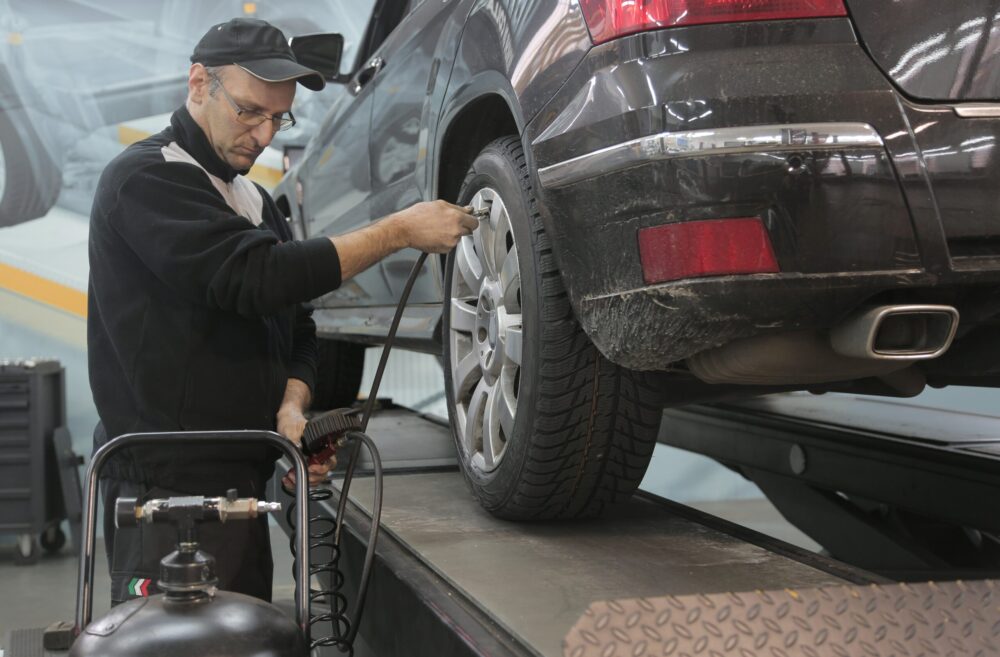
Your car’s tyres are crucial to driving safety. The level of tread, quality and age of the rubber, and tyre pressure all help keep you safe and in control in a variety of weather and road conditions.
Performing regular checks is an important safety measure and should always be done before a long journey. Do not leave it to the last minute either and do a check a day or two before travelling so you have time to address any issues that come up.
Have Someone To Call In An Emergency
When your car breaks down on a motorway or in the middle of nowhere on a country road it can be very stressful, and scary for young children. It is important to have a plan in place, so you know what to do and who to call.
Emergency breakdown cover from companies like the AA, RAC, or Green Flag is well worth the money, especially if you are a family broken down on the side of the road. Families with young children get priority treatment from these services as they understand the distress they can cause.
Keep Your Servicing And MOT Up To Date
Every driver should know about their vehicle’s MOT certification and when it is next due to be certified. This helps keep your car in good working order and road legal, and your car may not be insured without one.
It is also important to maintain your car manufacturer’s recommended servicing schedule to help prevent problems. Regular servicing helps to spot small issues before they develop into something that could cause your car to break down.

Most vehicles need servicing at annual intervals or when they reach a set number of miles, whichever is sooner. Servicing intervals at one, three, and five years are common, or at ten-thousand, twenty-thousand and thirty-thousand miles. Basic checks will be performed and at each interval, your servicing engineer will have specific elements of the car to check for signs of wear.
Always Use Seat Belts And Appropriate Child Or Baby Car Seats
Young children and infants will often need special carriers or booster seats to help them sit more comfortably and safely in the car. It is important to make sure these are fitted correctly, and you make a couple of changes to the car’s settings.
In most circumstances, you need to turn the passenger airbag off when fitting a baby carrier in the front passenger seat. Doing this prevents the airbag from deploying in the event of an accident, which could pose a hazard to your child. A correctly fitted and secured baby carrier will provide your infant with plenty of protection in an accident, but if impacted by an explosive airbag it could injure your child.
Never Drink And Drive
Most deaths and avoidable accidents on Britain’s roads are still caused by drink and drug driving, despite the huge amount of effort that has gone into spreading awareness of the dangers. The penalties are strong, but people still get behind the wheel while under the influence of drugs and alcohol.
You should never drink and drive under any circumstances, but it is especially reckless to do it while your children are also in the car with you. Always plan ahead and arrange other transport if you are going to go somewhere to socialise and drink.
Most people will already know the basics of car safety and driving safely, but there should be a few things on this list that you did not already know. By following these eight top tips you should be able to keep yourself and your family safe on the road and enjoy your road trips without worrying about any engine or emotional breakdowns.
*This is a collaborative post