
5 Tips for Planning an Extended Stay in a Park Model Cabin
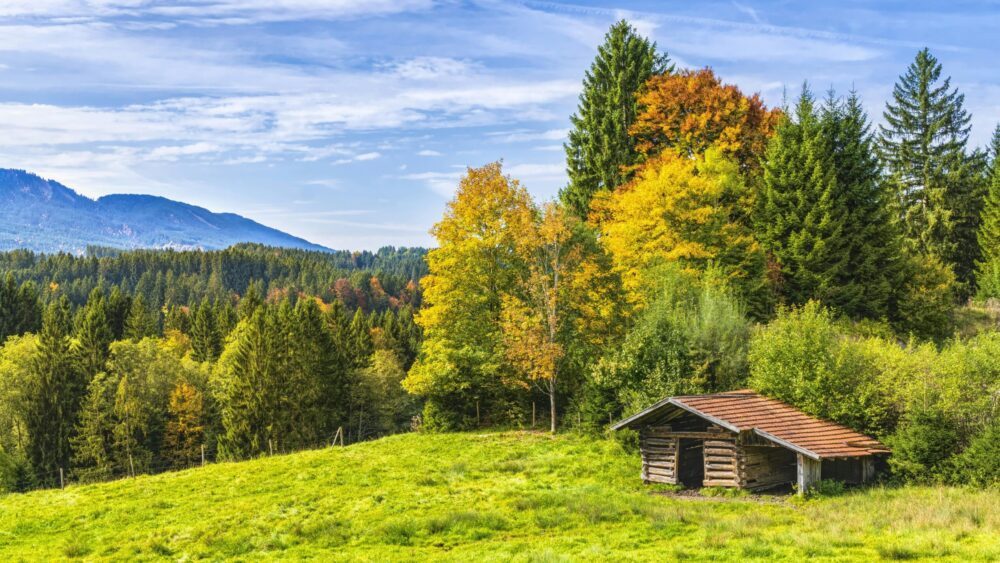
There’s a big difference between a weekend getaway and living in the wild for an extended period of time. You can’t just show up with a sleeping bag; it takes planning. And if that plan includes a park model cabin as your home for the next few weeks (or longer), you have to be prepared.
The novelty of rustic living can be absolutely amazing, and it’s probably one of the reasons you’ve decided to do this. However, it can also cause quite a few headaches down the line, especially if you’re also planning on working while you’re there.
Keep reading, and you’ll see what you need to think of to make your stay as idyllic as you hope it will be (and as perfect as Pinterest told you it is).
What You Need to Know Before Your Extended Cabin Stay
The first thing to do is to, of course, have a park model cabin to stay at.
To build one, you’ll need a good-quality contractor, such as Lancaster Log Cabins Massachusetts, or a similar business that does excellent (and custom-made) park model cabins.
There are quite a few companies that build and sell them, so there’s no way you won’t find something you’ll like – just make sure to find one that works in your state.
Once you have a place to stay, here’s what to pay attention to:
Make Your Cabin Comfortable
Just because your cabin is all small and cozy, that doesn’t mean that it also has to be uncomfortable. But in order to make it comfy, you need to be smart about how you use the cabin space.
So prioritize multi-purpose furniture (e.g., fold-out couch/bed combo, storage beds, fold-out table, etc.) and think about getting a small heater or portable fan for heating (especially during late autumn and winter).
And don’t be shy about the decor. Even the smallest details can bring life to the place, and you’ll notice that (even at a subconscious level).
The Perfect Spot
If you want to make your cabin spot super enjoyable, then you need to pick the ideal spot (location, views, nearby resources, proximity to civilization, electrical power accessibility, internet reception, etc.).
Think about what you want to do while you’re there, so if you’re into outdoor activities, a good spot would be somewhere close to good hikes. Being near a peaceful lake would be great, too, but make sure it’s easily accessible.
Don’t forget about the weather and get familiar with the seasons and conditions the area usually experiences. Will you need extra blankets, an umbrella, rubber boots, etc.?
Access is another crucial factor, so make sure that the location still has basic infrastructure.
Stock Up
Stock up on everything you’ll need.
First and foremost, you need to think of food. Non-perishable items like canned goods and pasta will save you from going to the store. Be sure to plan for meals that are easy to make and that will last.
When you’re not in the kitchen, you’ll probably want to be outside, which means you should have gear that’s appropriate for outdoor activities(hiking boots, fishing rods…). Keep in mind that your cabin will also need maintenance supplies.
You should have propane tanks, cleaning products, and extra batteries so you’re not caught off guard.
Be Ready for Off-the-Grid Living
If your cabin is pretty far out there in terms of how far it is from civilization and how far the nearest neighbor is, then you need to be prepared for a more self-sufficient lifestyle. This means that you need to prioritize power and water.
Out of the four main things you need to survive (air, food, water, body heat), you’ve got plenty of air – and to add to that, it’s good-quality air – and, and while you can survive up to a month without food, you can’t survive more than a couple of days without water.
So, water and energy should be your top priority. Hypothermia can set in super quickly, and it’s deadlier than people realize. While your body IS practically a furnace and is constantly producing heat by burning calories, you need to control heat dissipation going out of your body.
Energy
Set up a couple of solar panels; these should get you going in terms of modern issues (e.g., phone, laptop, lights, etc.)AND heating.
Water
You need a water filtration system, and you need a water collecting system (rain collection/tanks), or you need to find a nearby natural water stream.
| Warning: Even though the water might look clear, it still needs to be boiled before consumption. |
You’ll also need a way to manage waste (all kinds of waste). If you’re dealing with a composting toilet or a septic system, you’ll need a plan for upkeep.
Another thing you don’t want to forget is communication. Cell service can be tricky in remote areas, so think about satellite phones or radios.
They’re excellent backup options.
Know What’s Out There and How to Stay Safe
If you’re staying in the wild, you’re sharing space with wildlife.
Store food safely and make sure it’s hermetically sealed – you don’t want any food luring/attracting wolves, bears, or similar predators. But even cute furries like raccoons/foxes can be dangerous because they can spread rabies, but they also tend to create a lot of mess around your trash cans while they’re looking for food.
Also, it’s not a bad idea to educate yourself on local wildlife, so that you’re prepared for what you might encounter, plus what to do in specific situations.
Another thing to think about is bugs (ew!).
Bugs can be incredibly annoying. So, insect repellent should be your best friend. And while mosquitoes are nothing but annoying, you should be mindful of ticks (especially during spring and summer).
Nature is unpredictable, so you’ll want to prepare for whatever the weather can bring. Be ready for everything the season might bring, whether that’s sudden rain, heatwaves, frost, snow, or anything.
Pack appropriate clothes and gear for any situation so you stay safe and comfortable.
Conclusion
So there you have it.
A complete game plan for making the most out of your extended stay in a park model cabin. As you can see, all it really takes to be comfortable is a little preparation, nothing crazy.
Oh, and don’t forget to NOT pet those raccoons (even though they look really cute). Wild raccoons are no joke!
*This is a collaborative post