
5 Simple Cooking Activities That Give Children Comfort Through Separation
Solicitors in Medway, Maidstone, or wherever you may live, might be the ones helping you sort out legal arrangements during a separation, but when it comes to the emotional wellbeing of your child, sometimes the answer lies in something far more everyday — like making dinner together.
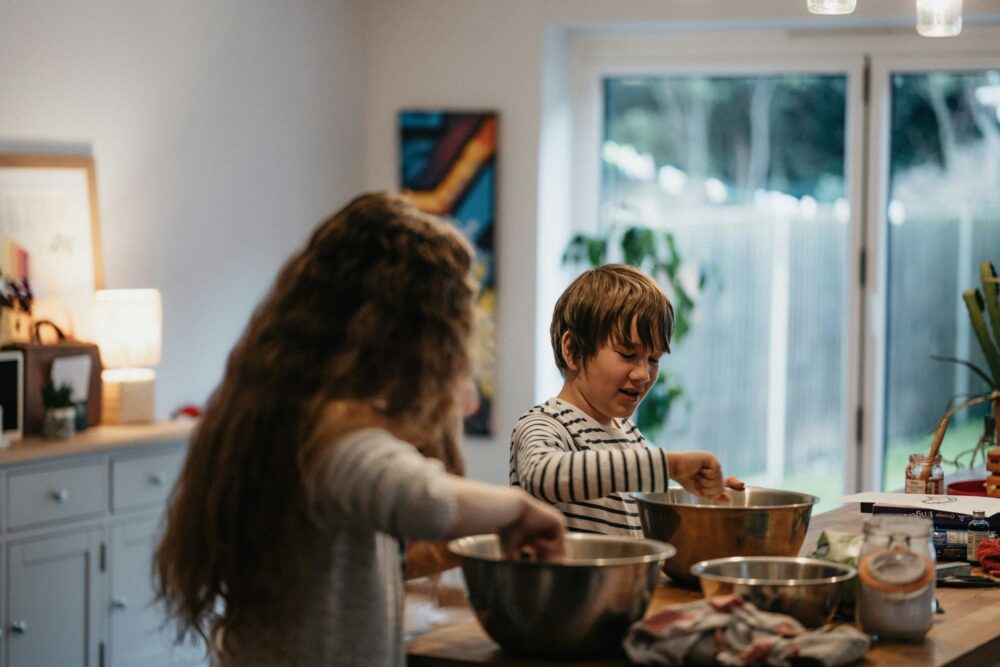
Cooking isn’t just about preparing meals. It’s about creating calm, building confidence, and spending quality time when life feels uncertain. For children dealing with divorce or changing family structures, these small rituals can be deeply grounding.
In this guide, we’ll explore five simple cooking activities you can do with your child to help them feel safe, heard and loved during a challenging time.
Baking Familiar Treats
When emotions run high, comfort foods can be incredibly soothing — and few things offer the same sense of warmth and nostalgia as baking together.
Choose recipes like:
- Chocolate chip cookies
- Banana bread
- Cupcakes with icing they can decorate
These activities help kids:
- Feel in control (by following steps)
- Learn patience (waiting while it bakes)
- Express creativity (through decoration)
Even the smell of baking can trigger happy associations, making your kitchen a calm and welcoming space.
And if your child is moving between households, baking “their treat” together can offer consistency and a shared routine they look forward to.
Making DIY Pizzas
Pizza is endlessly customisable, which makes it perfect for picky eaters and kids who need a bit of autonomy.
Lay out:
- Pre-made bases or pitta bread
- Tomato sauce
- Grated cheese and various toppings
Let your child build their own pizza. This gives them a chance to make choices in a safe, low-pressure environment. They’re not just cooking — they’re practising independence.
This activity also lends itself to open-ended chat. As they place olives or mushrooms, you can gently check in: “How was your day today?” or “What do you feel like adding next?”
Keeping hands busy can make it easier for children to talk about their feelings.
Chopping and Stirring Soups or Stews
There’s something very mindful about making a pot of soup. The rhythms of chopping, stirring and simmering naturally promote calm.
For younger children, give them a child-safe knife and soft vegetables like courgettes or mushrooms. Older kids can help with:
- Measuring ingredients
- Choosing spices
- Tasting and adjusting flavours
Soups and stews are also great for teaching kids about nourishment — that food is not just fuel, but a way of caring for ourselves and others.
You could even build a tradition around it: “Soup Sundays” or “Midweek Stew Night” becomes something they associate with stability.
Preparing Lunch Boxes Together
During separation, children often feel like things are happening to them. Helping to make their own lunches can flip that dynamic.
This can be as simple as:
- Letting them choose fruit or snacks
- Encouraging them to write a note for themselves
- Using cookie cutters to make fun sandwich shapes
It’s a small gesture, but powerful. Children take pride in preparing something they’ll enjoy later, especially if they’re heading to a new school or having a tough week.
For parents, it’s also an opportunity to sneak in messages of love: a sticker, a note, a napkin doodle.
Sharing Recipes from Both Households
If your child is living across two homes, food can be a lovely way to bridge the gap. Try collecting favourite recipes from each household and turning them into a shared cookbook.
This might include:
- “Mum’s Stir Fry”
- “Dad’s Weekend Waffles”
- “Nan’s Rice Pudding”
Let your child decorate the cover or choose the order of the pages. This gives them a tangible sense of continuity — that even as family structures shift, their identity and routines remain whole.
Cooking these dishes together also encourages connection. You’re not just making food, you’re building emotional landmarks.
Why Cooking Helps Children Through Separation
Psychologists often recommend shared, creative activities for children processing big emotions. Cooking works especially well because:
- It involves all the senses
- It’s repetitive and structured (which is comforting)
- It creates a finished product to be proud of
Plus, it’s collaborative. You’re side-by-side, not face-to-face, which makes hard conversations easier.
The YoungMinds charity notes that giving children small responsibilities during tough times can boost self-esteem and emotional resilience.
Even 15 minutes spent buttering toast or stirring pasta can restore a sense of safety and connection.
Keep It Flexible, Not Perfect
Not every kitchen session will be a heartfelt moment. That’s okay.
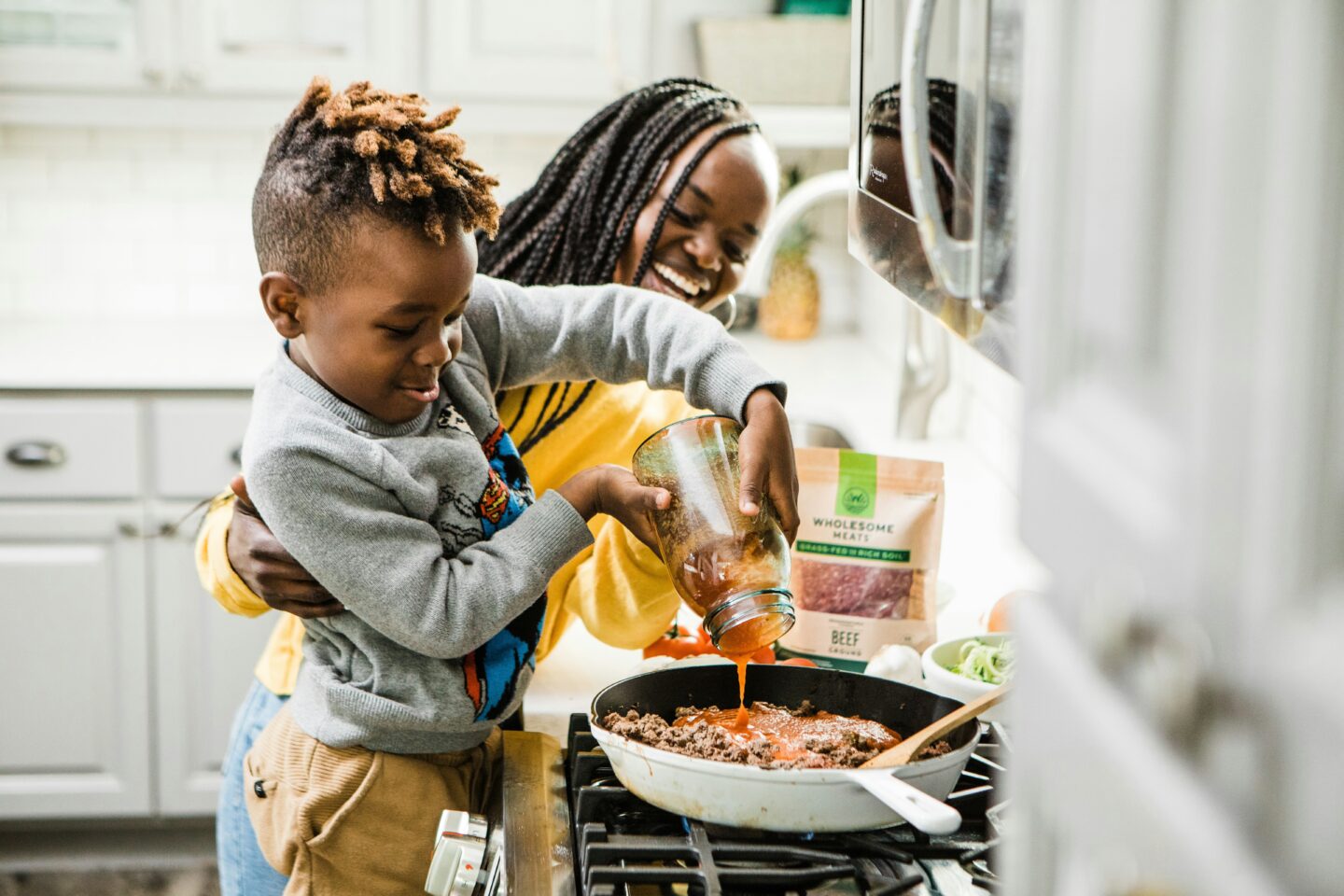
The goal isn’t to have Insta-worthy meals. It’s to create an environment where your child feels like they belong. Where they can laugh, spill flour, and maybe open up.
Some days they’ll talk. Others, they’ll just want to focus on sprinkles. Both are valid.
The consistency of your presence — not the quality of your lasagne — is what sticks with them.
Nourishment Beyond Food
Cooking together during separation isn’t just about dinner. It’s about:
- Creating new traditions
- Offering comfort without pressure
- Letting your child feel capable and cared for
Whether it’s pizza Fridays, quiet soup nights or lunchbox rituals, these little routines matter more than you think.
Legal Disclaimer: This article is for general information only and does not constitute legal advice. If you need help with separation, parenting arrangements or child welfare, speak to a qualified family solicitor.
*This is a collaborative post